SRINAGAR: Bangladesh Nationalist Party (BNP) chief Tarique Rahman will be sworn in as Prime Minister of Bangladesh on Tuesday, February 17, following his party’s landslide victory in the country’s first general election since the 2024 uprising. India has announced that Lok Sabha Speaker Om Birla will represent New Delhi at the inauguration ceremony in Dhaka.

The Ministry of External Affairs said the decision to send the Speaker, one of India’s highest constitutional authorities, underscores the importance India attaches to its ties with Bangladesh. Prime Minister Narendra Modi, who was invited to attend, is unlikely to travel due to prior engagements in Mumbai, including hosting French President Emmanuel Macron.
Foreign Secretary Vikram Misri and other senior officials are expected to accompany Birla. Officials described the representation as reflective of “deep and enduring ties” rooted in shared history, culture and democratic institutions.
The BNP claimed a decisive mandate in Thursday’s polls, securing 212 seats, while the Jamaat-e-Islami-led alliance won 77 seats out of the 297 parliamentary constituencies for which results were formally announced. Although elections were scheduled for 300 seats, polling was held in 299 due to the death of a candidate, and a court subsequently barred publication of results in the Chattogram-3 and Chattogram-8 constituencies, bringing the declared total to 297.
In addition to these directly elected members, 50 women members will be nominated proportionately based on each party’s performance across the 300 constituencies. The National Citizen Party (NCP), a Jamaat ally that emerged from the protest movement, placed third, winning six of the 30 seats it contested; its 27-year-old leader, Nahid Islam, also won his seat, becoming one of the youngest members of the new parliament.
The election marked the first national vote since the 2024 student-led uprising that forced former Prime Minister Sheikh Hasina from office. An interim administration led by Nobel laureate Muhammad Yunus has governed since her departure to India in August 2024.
The 2024 Bangladesh uprising, also referred to as the July Revolution, resulted in substantial casualties, with the interim government’s Health and Welfare Adviser reporting that more than 1,000 people were killed and over 400 lost their eyesight during the unrest. A United Nations report released in February 2025 estimated the death toll at approximately 1,400 between July 1 and August 5, 2024, and documented more than 20,000 injuries and around 11,000 arrests amid the widespread protests that led to the fall of the government.
Jamaat-e-Islami, led by Shafiqur Rahman, emerged as the second-largest bloc with 68 seats, its highest-ever tally. The National Citizen Party (NCP), formed by youth leaders associated with the anti-Hasina protests, secured six seats.
Turnout stood at nearly 60 per cent of registered voters, significantly higher than the 42 per cent recorded in the 2024 election. More than 127 million people were eligible to vote. International observers, including the European Union’s Election Observation Mission, described the polls as broadly credible, though some parties initially raised concerns about counting irregularities.
In his first address after the results, Rahman dedicated the victory to those who “sacrificed for democracy” and called for unity after what he described as a tumultuous political period.
“This victory belongs to Bangladesh, belongs to democracy,” he said, urging supporters to avoid celebratory rallies and instead offer prayers.
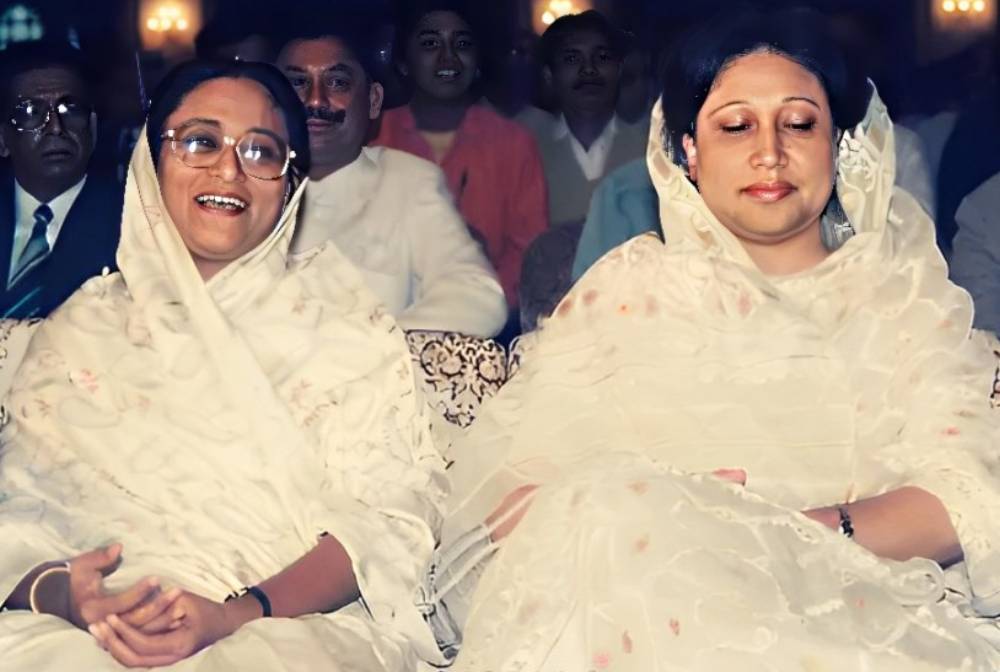
The 60-year-old leader returned to Bangladesh in December after 17 years in self-imposed exile in the United Kingdom. The son of former President Ziaur Rahman and former Prime Minister Khaleda Zia, he has never previously held public office.
Alongside the parliamentary election, voters participated in a referendum on constitutional reforms. The Election Commission reported that about 48 million voters endorsed the proposed changes, including a two-term limit for prime ministers, stronger judicial independence, provisions for neutral interim governments during election periods, and the creation of an upper house of parliament. Rahman has pledged to implement the reform package expeditiously.
Ahead of government formation, Rahman met Jamaat-e-Islami chief Shafiqur Rahman and NCP convenor Nahid Islam, describing the engagements as part of a “positive political beginning.” Statements from Jamaat indicated it would act as a “principled opposition,” supporting the government on matters of public interest while ensuring accountability.
The BNP has said it will address incidents of post-election violence, including harm to opposition supporters and minority communities.
Diplomatic sources in New Delhi said India remains “careful” in calibrating expectations with the incoming administration but sees potential in Rahman’s 31-point development agenda, which includes digital modernisation, port infrastructure upgrades, and expanded regional trade.
During the campaign, Rahman avoided overt anti-India rhetoric and reiterated opposition to extremism and militancy. In a recent interaction with journalists, he said Bangladesh’s foreign policy decisions would be guided by national interest, including on issues such as China’s Belt and Road Initiative.
Bilateral ties had cooled over the past 17 months amid political turbulence in Dhaka, including protests targeting Indian diplomatic missions and visa centres. Indian officials expect the new administration to ensure security for missions and facilitate the normalisation of visa services. Pending issues include the renewal of the Ganga Water Treaty and progress on connectivity and power-sharing projects.
Interim Chief Adviser Muhammad Yunus is expected to formally hand over power after Tuesday’s swearing-in. While speculation has circulated about a possible future constitutional role for Yunus, his office has denied any such plans, stating he intends to return to his work in social business and youth engagement.
Rahman has indicated he intends to pursue inclusive governance and consult eminent citizens in shaping policy, though no formal appointments have been announced.
As Bangladesh prepares for the February 17 oath-taking ceremony in Dhaka, attention will turn to the composition of the new cabinet and the government’s early policy signals, particularly on economic stabilisation, institutional reform, and regional diplomacy.