NEW DELHI: Jammu and Kashmir is witnessing a steady strengthening of grassroots mechanisms for women’s welfare and empowerment under the Government of India’s flagship initiatives, with more than 28,000 women assisted in the past year alone through the Hub for Empowerment of Women (HEW) programme.
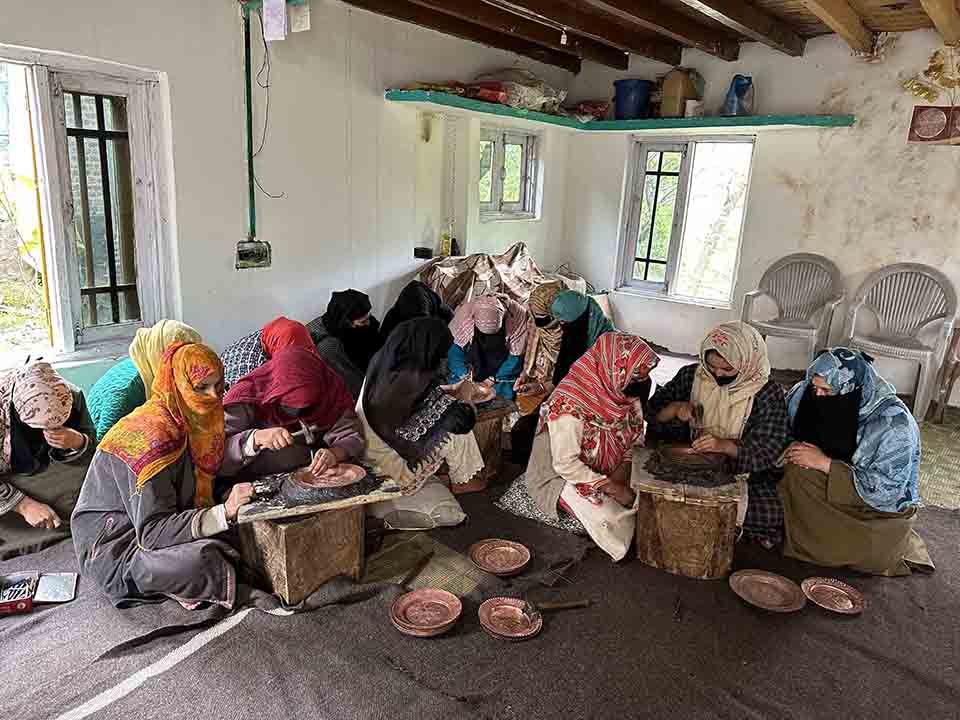
The HEW centres, which function as Project Management Units under the Ministry of Women and Child Development’s Mission Shakti initiative, have been established in eight districts of Jammu and Kashmir—Srinagar, Jammu, Anantnag, Baramulla, Budgam, Kathua, Rajouri, and Udhampur. These centres provide a range of integrated services including legal counselling, support for women entrepreneurs, awareness campaigns on rights, and vocational training.
According to data tabled in the Lok Sabha on April 4, 28,413 women in Jammu and Kashmir received assistance from the HEW network in 2024–25 (up to March 30), showing an increase over the previous year’s figure of 24,574. In 2022–23, the number stood at 17,110, indicating a three-year upward trend in outreach.
In parallel, the Pradhan Mantri Matru Vandana Yojana (PMMVY)—a maternity benefit scheme offering direct cash transfers—has reached over 1.4 lakh women in Jammu and Kashmir in the current year. The scheme provides up to Rs 6,000 in financial incentives for the first child and, under revised norms, also for the second child if it is a girl. This support is aimed at reducing maternal mortality and improving nutrition levels during pregnancy.
The Ministry said implementation of both schemes has been supported by a robust digital infrastructure, including the PMMVY Soft portal, which authenticates beneficiaries through Aadhaar and facilitates grievance redressal and real-time tracking of application status.
While the central government acknowledged challenges in implementing these schemes in rural areas, particularly concerning digital literacy and connectivity, it said targeted awareness campaigns and local mobilisation drives—such as Prabhat Pheris, nukkad nataks and door-to-door visits—have helped bridge many of these gaps.
The 100-Day Special Campaign for Women’s Empowerment, recently concluded under the HEW programme, guided states and UTs in carrying out thematic activities such as health camps, gender sensitisation workshops, and community interactions. In Jammu and Kashmir, these campaigns were rolled out across all eight HEW centres.
Officials say the growing uptake of these schemes in the Union Territory reflects improved institutional support for women and signals progress in the Centre’s aim of fostering women-led development under the broader vision of Viksit Bharat.