SC Links Statehood Debate to Pahalgam Attack, Drawing Mixed Reactions in Jammu and Kashmir
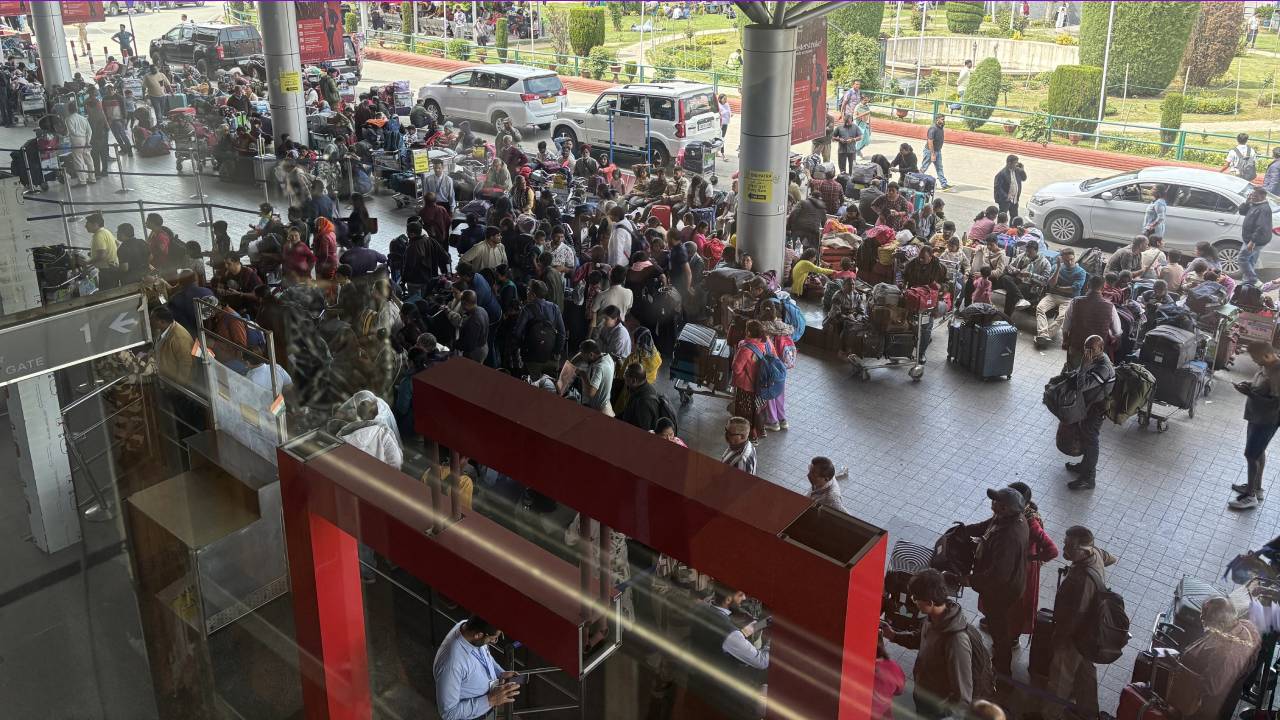
The Supreme Court’s observation this week that “ground realities” such as the April Pahalgam terror attack could not be ignored while considering the restoration of Jammu and Kashmir’s statehood has triggered strong political reactions in the Valley.
The remark came during the hearing of petitions seeking the implementation of the court’s December 2023 order, which directed that statehood be restored “at the earliest opportunity” after Assembly elections. Those elections were held in September–October 2024, with the Jammu and Kashmir National Conference, as part of the INDIA bloc, forming the government under Omar Abdullah. The petitioners argued that the continued delay violated India’s federal structure and that the peaceful conduct of polls showed there did not impede restoration.
Chief Justice B R Gavai, however, pointed to the Pahalgam attack, in which 26 people were killed, as a factor that could not be overlooked. Justice K Vinod Chandran added that decisions on statehood lay with the executive and Parliament. Solicitor General Tushar Mehta, for the Centre, said the assurance to restore statehood remained but questioned the timing of the petitions, suggesting there were attempts to “muddy the waters”. The court sought the government’s response and listed the matter for hearing in eight weeks.
Political leaders in Jammu and Kashmir criticised the linkage between the attack and the question of statehood. PDP president Mehbooba Mufti said the reference underscored “a deeper issue” of the Centre’s continued lack of confidence in the region’s stability, arguing that the matter went beyond constitutional status and required engagement with the political aspirations of its people. PDP legislator Waheed Para said denying statehood based on terror incidents effectively allowed “terrorists to dictate India’s highest constitutional debate” and undermined the federal structure.
National Conference chief spokesperson Tanvir Sadiq called the observation “unfortunate”, noting that the Pahalgam incident occurred when law and order was already under the Centre’s control. He questioned why the people should “suffer” for such events and argued accountability should lie with those responsible for security lapses.
The restoration of statehood was a key campaign issue in the 2024 polls, with the National Conference and Congress pressing the BJP to deliver on its promise. Omar Abdullah has recently urged an all-party push in Parliament, calling the move an “essential course correction” rather than a concession.
Since the abrogation of Article 370 and the bifurcation of the former state into two Union Territories in August 2019, the Centre has maintained that statehood will be restored at an “appropriate time”. The court’s remarks now indicate that the debate may continue to be shaped by both constitutional assurances and evolving security conditions in the region.