SRINAGAR: Pakistan has claimed that it killed 70 militants in a series of overnight air and missile strikes targeting at least seven alleged militant hideouts inside Afghanistan, in what officials described as a retaliatory response to recent suicide attacks within the country, international media reported.
According to reports, Pakistan’s Ministry of Information and Broadcasting confirmed that the military conducted “intelligence-based, selective operations” against camps belonging to the banned Tehreek-e-Taliban Pakistan, referred to by the state as Fitna-al-Khwarij, and its affiliates, as well as the Islamic State Khorasan Province (ISKP), near the Pakistan-Afghanistan border.
Pakistan State Minister for Interior Talal Chaudhry told Geo News that most of the 70 militants killed were Pakistani nationals. “Afghanistan has long been exporting terrorism. Pakistan is taking all actions to secure the life and property of its citizens,” he said.
The strikes were carried out following a series of deadly attacks in Pakistan, including a suicide bombing at the Khadija Tul Kubra Mosque in Islamabad that left at least 31 worshippers dead and more than 160 injured. The attack was claimed by the Islamic State’s regional affiliate.
Additional attacks were reported in Bajaur and Bannu districts of Khyber Pakhtunkhwa province. In the latest incident, an army lieutenant colonel and a soldier were killed in a suicide attack in Bannu. Pakistani authorities alleged that the attacks were orchestrated by Afghanistan-based leadership of the TTP and ISKP.
In its statement, Pakistan said it had “conclusive evidence” that the recent attacks were carried out at the behest of handlers operating from Afghan territory. It accused the Afghan Taliban government of failing to take substantive action despite repeated requests to prevent the use of Afghan soil for cross-border militancy.
Islamabad also reiterated that under the 2020 Doha Agreement signed between the Taliban and the United States in Doha, the Afghan Taliban had committed not to allow their territory to be used against other countries.
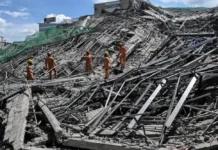
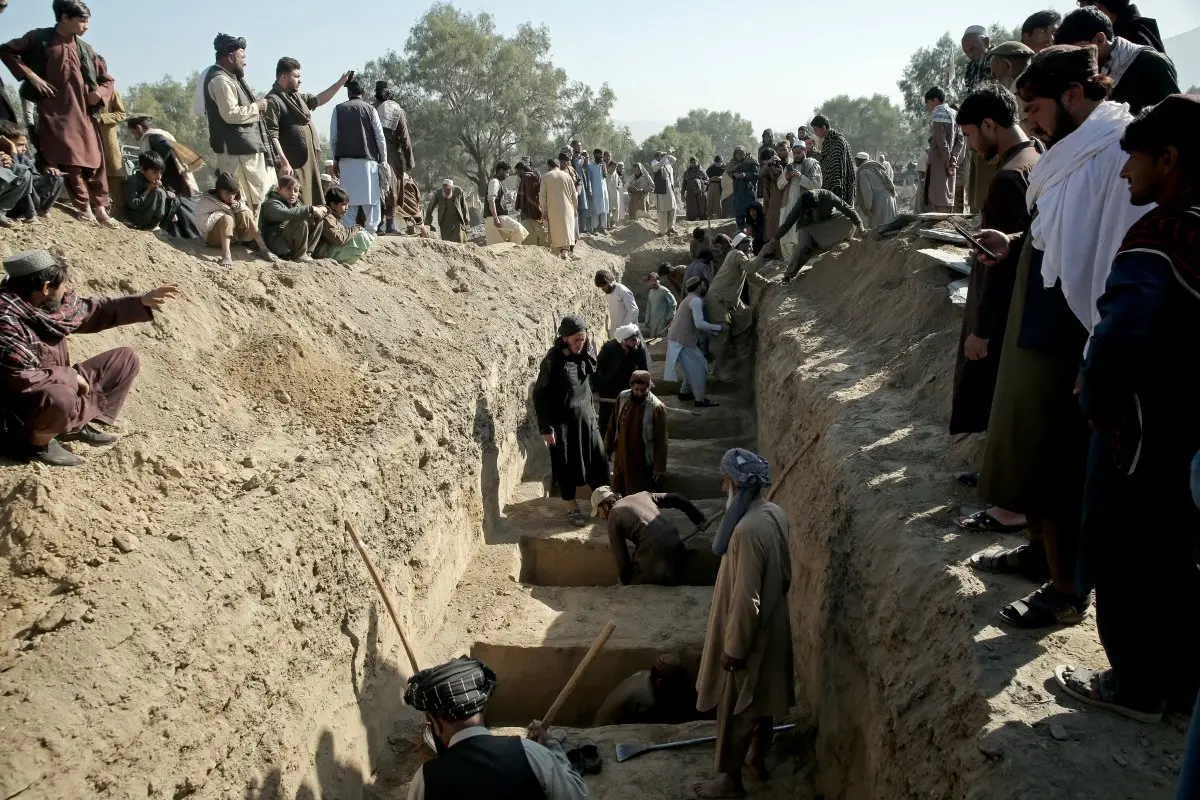
Afghanistan strongly condemned the strikes. The Taliban-led Defence Ministry termed the attacks a “clear violation” of the country’s sovereignty and international law, alleging that civilian homes and a religious school in the provinces of Nangarhar and Paktika were hit.
Taliban spokesperson Zabihullah Mujahid said “dozens of people” were killed and injured, including women and children. Reporting from Nangarhar’s Bihsud district, journalists cited by international media said at least 17 people were confirmed dead, with several others missing under rubble.
The Afghan Foreign Ministry summoned Pakistan’s ambassador to Kabul, Ubaid ur Rehman Nizamani, and handed over a protest note. Afghanistan warned that the strikes would be met with a “necessary and measured response” and reaffirmed its right to defend its territorial integrity.
Tensions between Pakistan and Afghanistan have escalated since the Taliban’s return to power in Kabul in 2021. Last October, cross-border clashes reportedly killed 23 Pakistani soldiers and over 200 Afghan Taliban fighters, according to Pakistan’s military. A fragile ceasefire brokered later has remained under strain amid recurring accusations of cross-border militant activity.
Pakistan has urged the international community to press the Taliban administration to uphold its commitments under the Doha accord, stating that denying the use of Afghan soil for militant activities is vital for regional and global peace and security.
The Taliban government, however, has consistently denied providing sanctuary to anti-Pakistan armed groups, as relations between the two neighbours remain tense.