by Er Navaid Runyal
This road has come at a cost. Mountains have been carved. Homes have trembled. Rivers have been touched. Development has never been clean.
Standing beside the Ramban to Banihal section of NH-44, I found myself overwhelmed. It was not simply a matter of watching a road being widened. It was the weight of memory, of how this narrow stretch had shaped so many journeys, delayed so many plans, and unsettled countless lives.

This highway is more than asphalt laid across mountainous terrain. It holds within it every disrupted journey to Srinagar, every night spent awake in a car near Panthyal, and every moment of helplessness as reports of falling rocks and landslides reached us. Many have spent long hours on this stretch, caught in snow or rain, stranded by circumstances beyond their control. Fear and frustration often travelled alongside us.
Ambulances once stood still here, their sirens useless against nature’s grip. Families waited anxiously, tourists panicked, and locals walked for kilometres when buses could no longer crawl forward. The phrase became common: everything had halted beyond Banihal.
Today, the scene is different. There is movement. Tunnels are bored through mountains, bridges span gorges, and a new path is being carved with quiet determination. Engineers and labourers, some from nearby villages and others from distant states, work through rain and cold, chipping away at a future long delayed. Machines now tear through cliffs where once only prayers held sway.
The new T5 tunnel bypassing Panthyal is more than a feat of engineering. It feels like a reprieve. It promises fewer delays, safer passage, and perhaps fewer tragedies. The viaducts and slope protections suggest that the region may no longer be severed each time clouds descend over the Pir Panjal.
Challenges remain. The project has tested patience. But progress is visible. For someone who has relied on this road for studies, family visits, and survival, the sight is moving. I stayed longer than I had intended, listening to the hum of cranes, the echoes of drills, and breathing in the smell of wet soil mixed with stone dust. The mechanical became intimate.
This road has witnessed grief. Time has been lost. Tempers have flared. Lives have ended. I remember travellers trapped for over a day without food or water. One winter night, a friend stranded near Nachlana messaged me: “If we make it out, I’ll never take this road for granted again.” He survived. Others did not.
The struggle was never solely against the terrain. It was against the indifference that hung over this vital stretch. For decades, the people living along this route, in Doda, Kishtwar, Anantnag, and Srinagar, were left exposed to the unpredictability of nature and the failures of infrastructure. What they once accepted with resignation is now being resisted with resolve.
This transformation is not limited to the visible changes. It carries emotional weight, shaping the collective psyche of a generation. This road, once a reason for migration, may now offer a reason to return. The young who leave in search of stability and opportunity may find that the conditions have changed. With roads come connections. Ideas travel. Enterprise finds ground.
A fruit trader in Qazigund once said that his life was tied to the road. He was not wrong. A closed highway meant rotting produce, missed deadlines, and eroded trust. For him, the four-lane highway does not represent ease. It means income. It means dignity.
Students have faced their losses. Exams missed, interviews abandoned, admissions delayed, all because of one landslide or a blocked stretch. For them, this is not merely a road project. It is access. It is a beginning. It is a step toward equity in a region where opportunities often hinge on mobility.
Traffic blockades between Ramban and Banihal were more than inconvenient. They tested the human spirit. Hours in gridlock, through snow or scorching heat, left passengers stranded, fatigued, and fearful. Families sat huddled inside vehicles without supplies. Tourists are lost in uncertainty. Children crying. Elders trembling. What appeared to be a delay was, for many, a moment suspended between fear and endurance.
In those long hours, something else emerged. Humanity. Residents and volunteers did not wait for orders. They acted. Food stalls appeared along the highway. Tea, biscuits, and rice were handed out. Homes and dhabas opened their doors. Blankets, warm clothing, and medicine were distributed discreetly. There were no announcements. No names. Only the belief that compassion mattered more than anything else.
One evening, I walked through a line of stalled trucks, carrying tea. A weary driver smiled. A mother whispered her thanks. In that moment, the reason for helping became clear. When roads close, the heart must remain open.
This road has come at a cost. Mountains have been carved. Homes have trembled. Rivers have been touched. Development has never been clean. But if this project is handled with care, if drainage is properly managed, green spaces are restored, and local voices are heard, it could become an example of how to build without erasing.
Even now, the labourers work through dangerous slopes and relentless rain. They sleep in tin shelters, far from their families. Their names are unknown. Their stories untold. Yet their effort is embedded in every metre poured and every tunnel hollowed. Their labour is the foundation.
In time, vehicles may glide seamlessly between Jammu and Srinagar. Children may point at the tunnels with awe. Snow may fall without silencing the valley. When that happens, the memory of what it took must remain, the pain, the waiting, the quiet persistence.
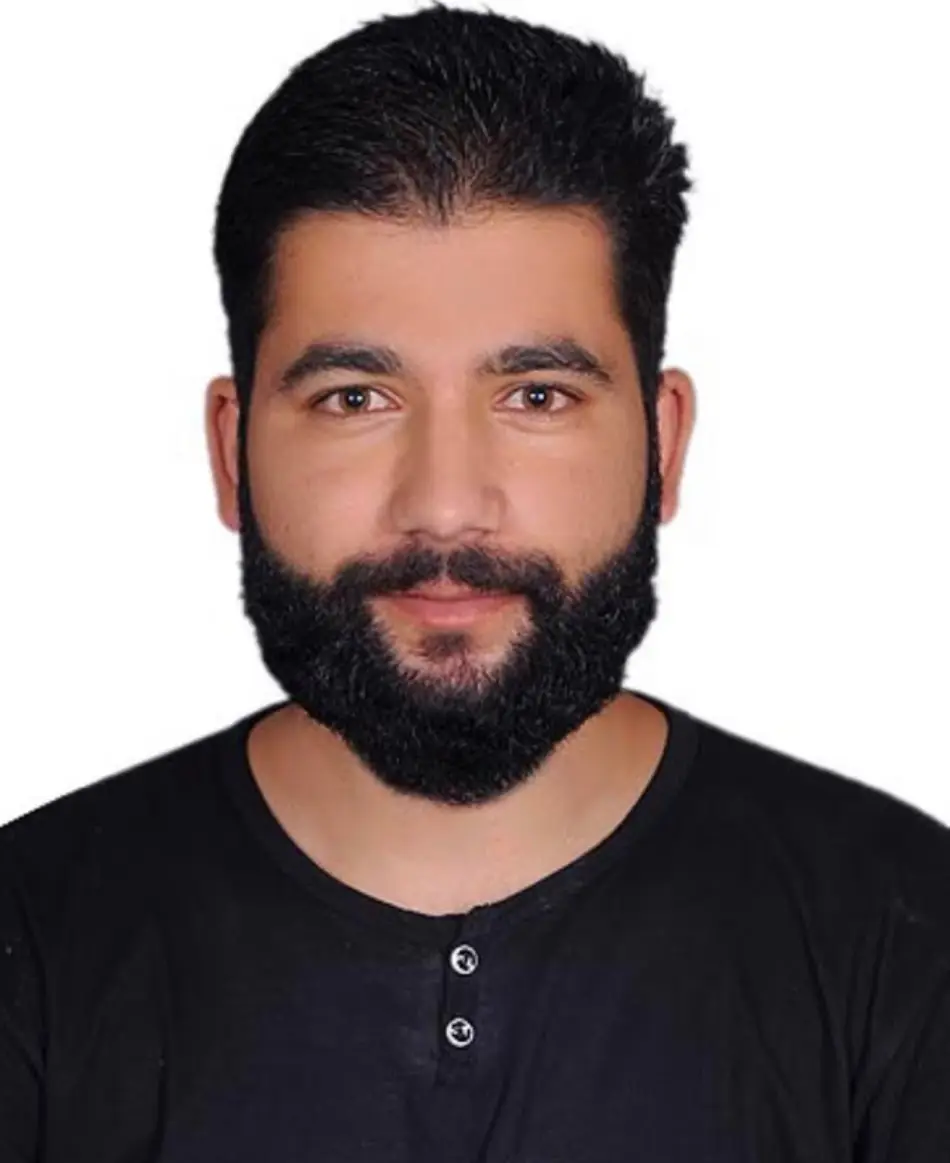
The road once feared is now becoming a line of strength. A path through the mountains that may not only connect places, but also reconnect people, with each other, with hope, and perhaps with a better version of themselves.
Each stretch of this road holds a story. A story of struggle. A story of endurance. A story that now points toward a promise. To those building this future in silence, thank you. You are not laying asphalt. You are shaping the course of a region.
(The writer is a geotechnical engineer from Marnal Maligam, Ramban, currently working in the private sector. Views are personal.)