SRINAGAR: A series of structural, regulatory and digital interventions by the Centre and the Reserve Bank of India have significantly strengthened cooperative banks across the country, with over 1,500 urban cooperative banks (UCBs) now brought under a unified technology and support framework.
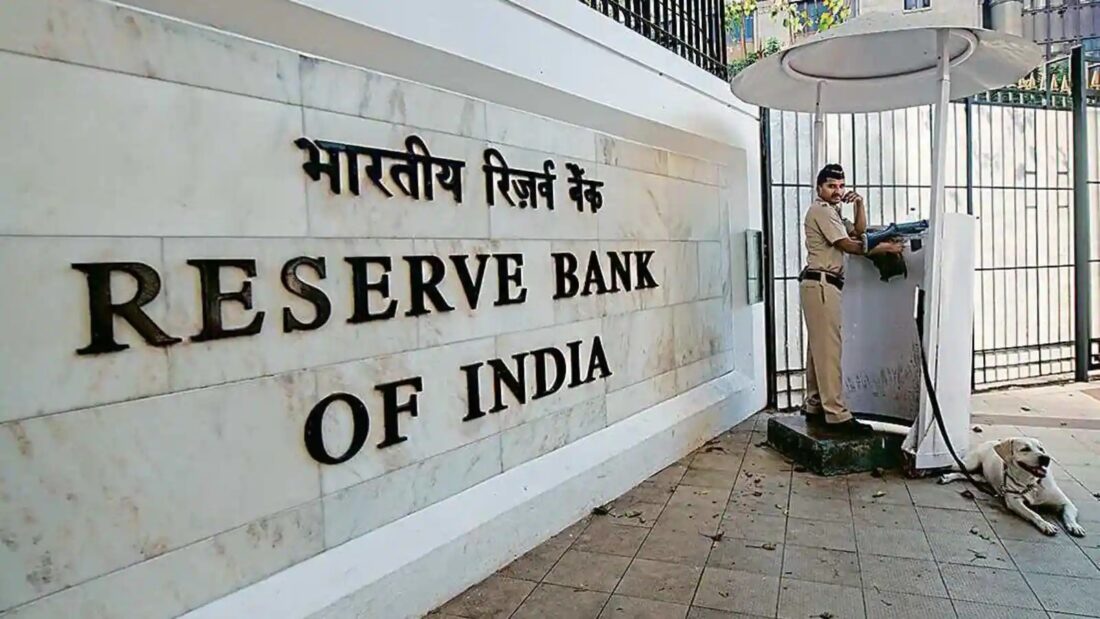
According to information placed in the Lok Sabha by Union Cooperation Minister Amit Shah, the government has undertaken wide-ranging reforms aimed at improving operational flexibility, expanding credit delivery and modernising cooperative banking institutions while maintaining the federal structure of the sector.
A key intervention has been the creation of an umbrella organisation through the National Federation of Urban Co-operative Banks and Credit Societies Ltd. (NAFCUB), which provides IT infrastructure and operational support to around 1,500 UCBs. The platform has already rolled out digital services such as Digi Loan and Digi Pay to enhance service delivery.
In parallel, a shared digital infrastructure entity, Sahakar Sarathi, has been established to support rural cooperative banks, including State Cooperative Banks and District Central Cooperative Banks. The platform has launched 13 digital services to enable these banks to deliver modern banking solutions in rural areas.
Regulatory relaxations introduced by the Reserve Bank of India have further improved the functioning of cooperative banks. Urban cooperative banks are now allowed to open new branches up to 15 per cent of their existing network without prior approval, and have been permitted to offer doorstep banking services, including cash transactions, KYC updates and pension-related services.
In a major easing of compliance norms, the priority sector lending target for UCBs has been reduced from 75 per cent to 60 per cent, providing greater operational flexibility in managing loan portfolios. Additionally, individual housing loan limits have been increased to 25 per cent of total loans, with a cap of Rs 3 crore, while overall exposure limits have been raised from Rs 1 crore to Rs 3 crore to support higher credit demand.
Further reforms include removal of the Rs 2 lakh ceiling on gold loans, extension of timelines for provisioning of stressed assets, and permission for one-time settlement of loans, bringing cooperative banks at par with commercial banks in several operational aspects.
To strengthen rural credit flow, the RBI has increased housing loan limits for rural cooperative banks to Rs 75 lakh and allowed lending to the real estate sector up to 5 per cent of total exposure. Cooperative banks have also been included as Member Lending Institutions under the Credit Guarantee Fund Trust for Micro and Small Enterprises (CGTMSE), enabling collateral-free loans with risk coverage of up to 85 per cent.
Digital inclusion measures have also been prioritised. Cooperative banks are being onboarded onto the Aadhaar Enabled Payment System (AePS) with reduced licensing costs, allowing customers to access banking services through biometric authentication. A new framework introduced by UIDAI enables district cooperative banks to operate through state cooperative banks, simplifying integration.
The government has also amended provisions of the Banking Regulation Act to align the tenure of cooperative bank boards with constitutional provisions, allowing a maximum of 10 consecutive years.
On the policy front, the National Cooperation Policy 2025 emphasises cooperative federalism and has been framed after extensive consultations, including 17 committee meetings and four regional workshops, incorporating 648 stakeholder inputs. States have been encouraged to formulate their own cooperation policies in alignment with the national framework.
The Ministry maintained that these interventions are designed to strengthen cooperative financial institutions, improve credit access for farmers and small enterprises, and enhance competitiveness of the sector without undermining the autonomy of state-level cooperatives.