SRINAGAR: Rapid urbanisation, expanding transport networks and sustained economic growth have transformed Jammu and Kashmir’s landscape more profoundly than climate change over the past six decades, according to a major new study that warns the continuing loss of forests, wetlands and grazing lands poses growing risks to the region’s water resources.
The findings are contained in the study, Six Decades of Land-use and Land-cover Change in Jammu and Kashmir: Socio-economic Drivers and Implications for Water Resources, published in the international peer-reviewed journal Water Science by Springer Nature. The research was carried out by Ishrat F Bhat, Farhet A Shaheen, Masroor Majid, Fehim J Wani, Farooq A Lone, Mushtaq A Lone and Nayar A Kirmani of Sher-e-Kashmir University of Agricultural Sciences and Technology (SKUAST-Kashmir) and Aafaq A Rather of the Symbiosis Statistical Institute, Pune.
Examining land-use changes between 1960 and 2020, the researchers found that socio-economic factors such as passenger and freight traffic, urbanisation, literacy and per capita income consistently exerted a stronger influence on changes in land use than climatic variables like rainfall and temperature. They concluded that transport-led development and economic expansion have been the dominant forces reshaping the Union Territory’s landscape.
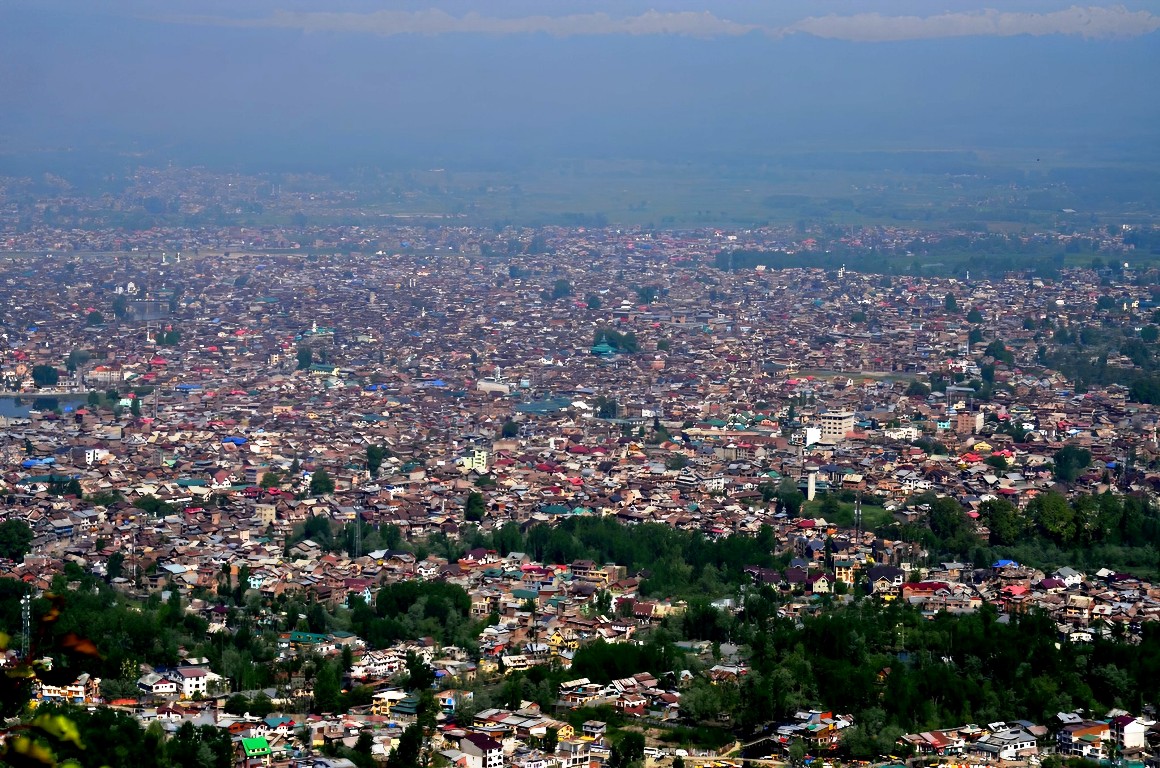
The study found that built-up areas have expanded rapidly since the 1990s, largely at the expense of forests, wetlands and grazing lands. According to the researchers, urban growth accelerated alongside improvements in transport infrastructure, increasing population, expanding tourism and rising economic activity, making built-up land the fastest-growing land-use category during the study period.
Forest ecosystems emerged as one of the biggest casualties of this transformation. The analysis found passenger traffic to have the strongest negative association with forest cover, indicating that road expansion, tourism corridors and new settlements have increasingly encroached upon forested areas. While afforestation programmes helped offset losses in some locations, the overall trend pointed to a continuing decline in forest land.
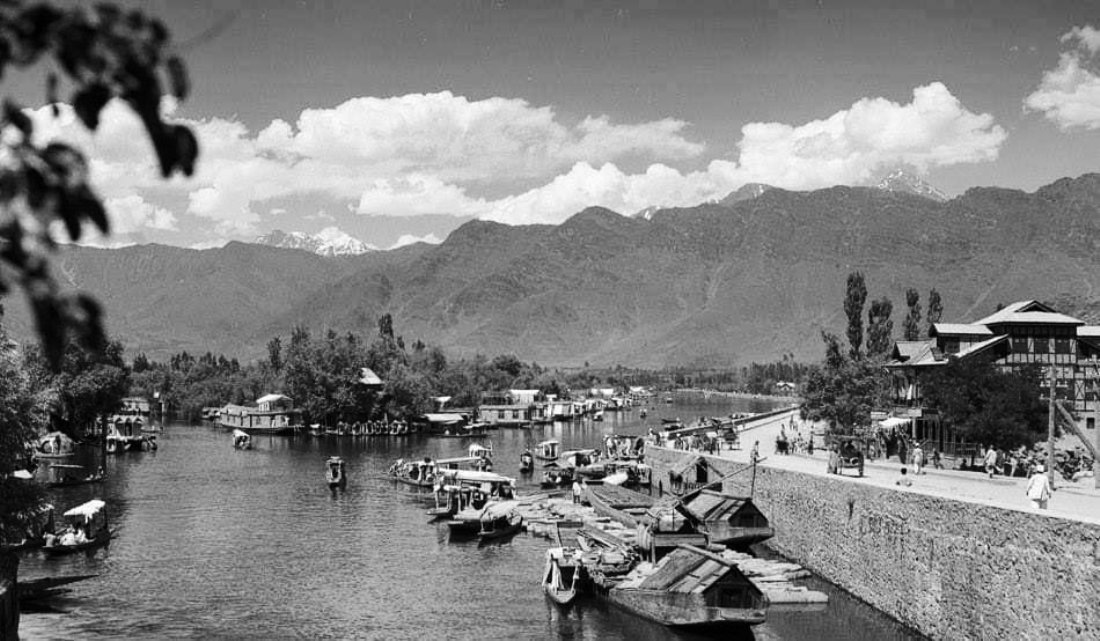
The study also highlights the steady shrinkage of wetlands, lakes and other water bodies across Jammu and Kashmir over the past sixty years. Population growth and urbanisation showed the strongest links with declining water bodies, while increasing freight traffic was associated with quarrying, mining activities and logistics infrastructure that have added pressure on wetlands. The researchers warn that continued urban expansion without stronger legal protection could further reduce the region’s water bodies.
Traditional grazing lands have also steadily diminished. Freight movement emerged as the strongest factor associated with the decline of grazing land, reflecting increasing encroachment by quarrying, mining and infrastructure projects. Urbanisation and higher literacy levels were also linked to the conversion of common grazing lands into residential and commercial uses, signalling a gradual shift away from traditional livestock-based land use.
Unlike forests and wetlands, farmland remained relatively stable throughout the study period, although the researchers observed increasing pressure from urban expansion, particularly around growing towns and cities. While agricultural production continued to strengthen farming activity, some grazing land was converted into cultivated fields.

Although climatic factors showed measurable changes over the six decades, the researchers found that their influence on land-use change remained secondary. Rising temperatures were associated with reductions in pasture land and water bodies through increased evapotranspiration and declining soil moisture, while rainfall showed only limited influence compared with the much stronger effects of socio-economic development.
The study documents the scale of Jammu and Kashmir’s socio-economic transformation during the period under review. The population nearly quadrupled from 0.35 crore in 1960 to 1.36 crore in 2020, urbanisation rose from 16.3 per cent to 29.4 per cent, while literacy increased from 11 per cent to 76.9 per cent. Over the same period, the economy expanded sharply, with gross state domestic product, industrial output, household incomes and transport volumes recording several-fold increases.
According to the researchers, these changes collectively explain the dramatic alteration in land-use patterns more convincingly than variations in climate.
The study warns that the continuing decline of forests, wetlands and grazing lands threatens the ecological systems that regulate water availability in the Himalayan region. Since these ecosystems play a critical role in groundwater recharge, stream flows and overall water security, their degradation could have serious long-term implications for both the environment and human livelihoods.
The authors recommend integrating transport planning with ecological conservation, strengthening statutory protection for wetlands, restoring grazing lands, regulating quarrying and freight movement in environmentally sensitive areas, and establishing a land-use monitoring system capable of providing early warning of future landscape changes.
The researchers conclude that while climate change remains an important environmental challenge, the evidence from six decades of data shows that development choices—particularly those relating to transport, urbanisation and economic growth—have been the principal forces reshaping Jammu and Kashmir’s landscape, underscoring the need for sustainable land-use planning to safeguard the region’s natural resources and water security.