SRINAGAR: United States President Donald Trump on Saturday cancelled a planned visit by a high-level American delegation to Islamabad for a second round of talks with Iran, dealing a setback to ongoing diplomatic efforts to de-escalate tensions in West Asia.
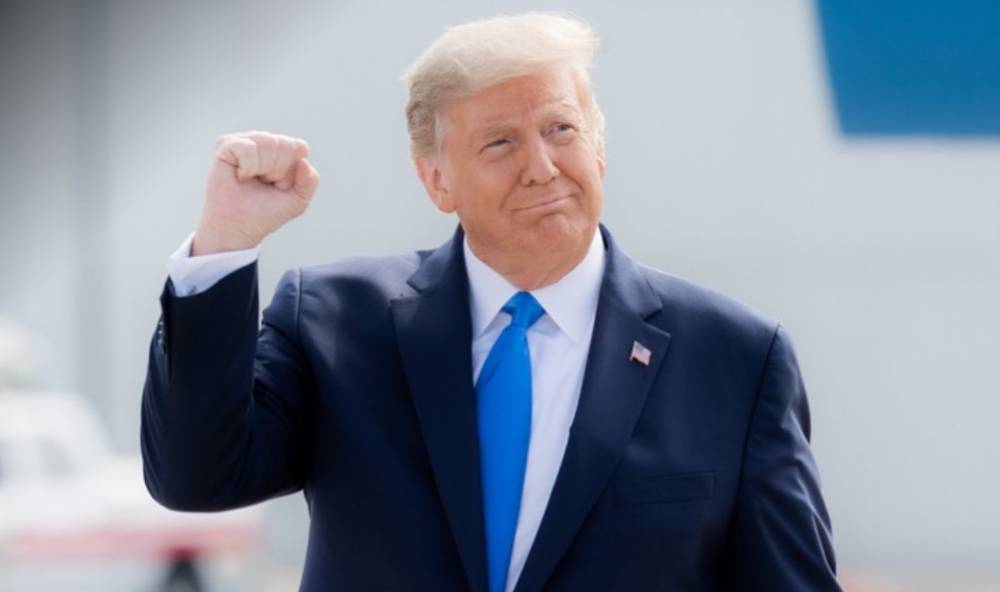
The delegation, led by Special Envoy Steve Witkoff and senior adviser Jared Kushner, was scheduled to travel to Pakistan to revive ceasefire negotiations. The visit was called off at the last minute, with Trump describing the proposed trip as unnecessary.
“They can call us anytime they want, but you’re not going to be making any more 18-hour flights to sit around talking about nothing,” Trump said, according to remarks shared by Fox News correspondent Aishah Hasnie following a phone conversation with the president.
The decision came shortly after Iran’s delegation, led by Foreign Minister Abbas Araghchi, concluded a day of high-level meetings in Islamabad and departed without any direct engagement with US officials. The development effectively stalled Pakistan’s efforts to broker indirect negotiations between Washington and Tehran.
During his visit, Araghchi held talks with Pakistan Prime Minister Shehbaz Sharif and Army Chief Asim Munir, conveying Iran’s position on a ceasefire and outlining what officials described as “red lines” for ending the conflict. Iranian officials reiterated that Tehran would not accept what it termed “maximalist demands” from Washington.
Iran has ruled out direct talks with the United States, insisting that any communication be routed through intermediaries. Officials indicated that engagement through Pakistan could continue, although no timeline for further talks was confirmed.
The cancellation underscores the uncertainty surrounding diplomatic efforts as the conflict enters its 57th day. A previous round of talks in Islamabad, involving US Vice President JD Vance and Iranian parliamentary representatives, reportedly lasted over 20 hours without producing a breakthrough.
Meanwhile, the broader regional situation remains volatile despite an extended ceasefire. Disruptions in the Strait of Hormuz have significantly affected global oil shipments, contributing to rising prices and supply chain concerns. Iran has warned it will respond to any continued US pressure, particularly over maritime restrictions.
The conflict, which began on February 28 following US-Israeli strikes, has resulted in thousands of casualties across multiple countries, with Iran and Lebanon reporting the highest tolls.
With Iran’s top diplomat departing Islamabad for further consultations in Oman and Russia, and the US stepping back from immediate engagement, prospects for direct negotiations remain uncertain.