SRINAGAR: The United Nations has called for an independent investigation into the killing of protesters and security personnel in Pakistan-occupied Kashmir (PoK), as members of the Kashmiri diaspora in Britain stepped up protests against Islamabad’s crackdown on a popular rights movement ahead of regional elections.
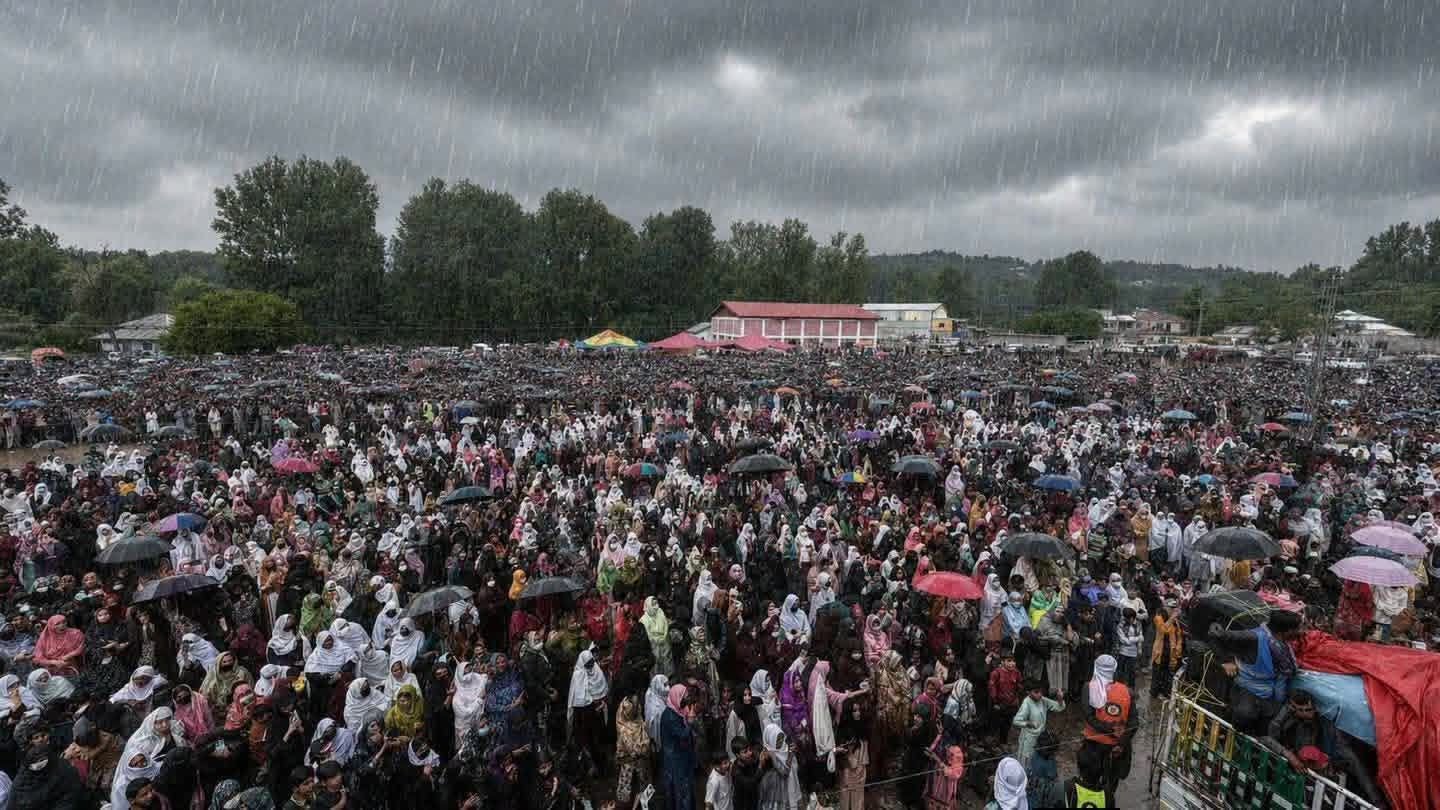
According to international media reports, UN High Commissioner for Human Rights Volker Türk has urged Pakistan to carry out “prompt, thorough and impartial investigations” into all deaths linked to the unrest that has gripped PoK since June. At least 31 people have reportedly been killed in clashes between protesters and security forces in recent weeks, with violence intensifying ahead of the July 27 legislative assembly elections.
The protests are being led by the Jammu Kashmir Joint Awami Action Committee (JAAC), an umbrella organisation of traders, activists and civil society groups. Although the movement initially emerged over soaring food prices, electricity tariffs and the rising cost of living, it has since expanded into a broader campaign against Islamabad’s governance of the region, including opposition to reserved legislative seats for Kashmiri refugees, which protesters argue influence local electoral outcomes.
The UN human rights office also criticised Pakistan’s decision to ban the JAAC under anti-terrorism legislation, expressing concern over the criminalisation of a civil society organisation, restrictions on peaceful assembly and widespread internet shutdowns in the region.
UN spokesperson Jeremy Laurence told reporters in Geneva that the rights office was also concerned over the arrest of JAAC leaders and called for their access to lawyers and family members while ensuring due process and fair trial rights. The UN further urged Pakistani authorities to restore full internet access, warning that communication restrictions undermine freedom of expression and access to information at a time of heightened tensions.
According to Reuters, Poonch Divisional Commissioner Waheed Khan defended the security response, claiming protesters had blocked a security convoy and attacked officials, prompting police to act in self-defence. However, Pakistani newspaper Dawn reported that violence reached a new peak on July 14 when security forces attempted to dismantle roadblocks ahead of a planned JAAC “Long March” to Muzaffarabad, resulting in nine deaths, including seven protesters and two security personnel.
The developments have also triggered protests among the Kashmiri diaspora, particularly in Britain, where community organisations have organised demonstrations condemning Pakistan’s handling of the unrest.
In Sheffield, members of the Kashmiri community held an emergency protest outside the City Hall, supported by organisations including the National Education Union, Sheffield Stand Up To Racism, the Stop the War Coalition, Sheffield Pakistan Muslim Centre and Sisters 4 Kashmir.
Speaking at the protest, organiser Rafia Hussain said people in PoK had been facing mounting economic hardship for years because of rising fuel and food prices and an escalating cost-of-living crisis. She also highlighted communication blackouts, restrictions on movement and mass arrests, saying the developments had severely disrupted daily life across the region.
The Sheffield demonstration was organised ahead of a planned “Long March” from Rawalakot to Muzaffarabad by JAAC supporters.
The latest unrest has once again drawn international attention to Pakistan’s administration of PoK, with the UN urging Islamabad to pursue “meaningful and inclusive political dialogue” rather than relying on security measures to address growing public grievances over governance, economic conditions and political representation.
India has also reacted to the developments. Ministry of External Affairs spokesperson Randhir Jaiswal said the unrest was “a direct consequence of Pakistan’s decades-long systemic exploitation” of the territory.