As Kashmir advances under the Smart City Project, the quiet allure of its Rishi shrines reveals a profound cultural heritage often overlooked. In a region known as Reshiwaer—the Valley of Rishis—the shrines pulse with life during gatherings of Urs festivals, reports Sehar Abdullah
Kashmir’s transformation into a Smart City overlooks a crucial aspect of its cultural heritage: the living traditions that bring historic spaces to life. Architectural restoration efforts, while vital, often neglect the social and cultural practices that make these sites vibrant.
One of the ways to understand Kashmir’s cultural fabric is the indigenous Rishi Order, a Sufi tradition emerging alongside Central and West Asian influences. Derived from the Sanskrit Rishi this distinct order merged Buddhist renunciation, Hindu asceticism and Islamic teachings. Incorporating local customs – vegetarianism, celibacy, breath control and meditation – Rishis adapted Islamic practices. Predominantly rural, Rishi shrines shape Kashmir’s religious and cultural identity.
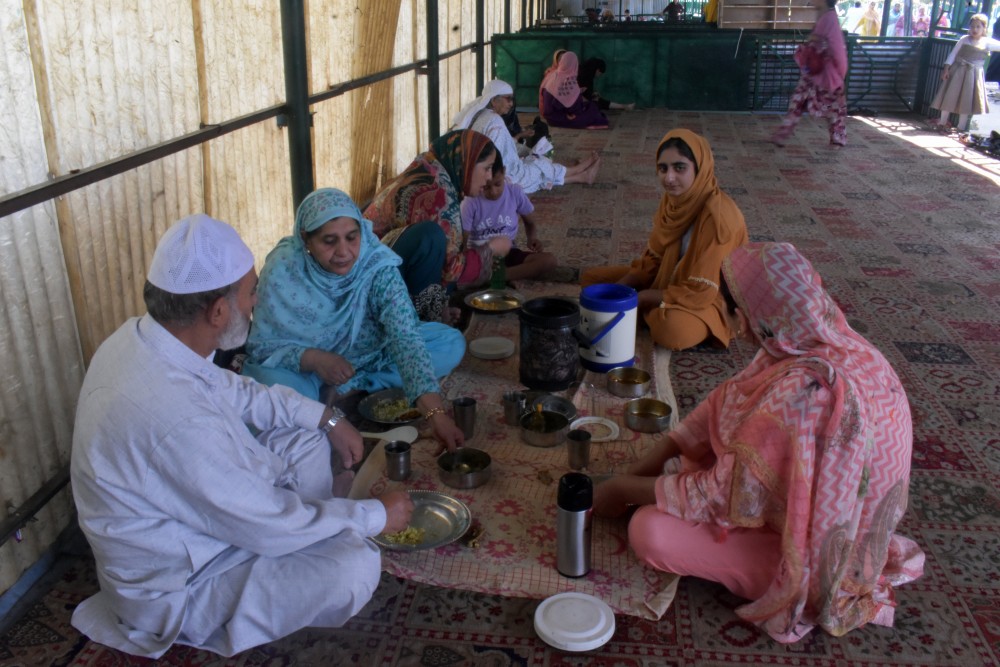
Kashmir, affectionately known as Reshwaer (Valley of Rishis), is dotted with numerous Sufi shrines. Paying homage to Sufi saints at these revered sites is a deeply ingrained tradition among Kashmir’s Muslims and some non-Muslims. For generations, locals have visited these shrines to mark significant life events: a child’s first tonsure, sharing Tehri or picnicking on serene shrine lawns. These shrines have long been woven into Kashmir’s cultural fabric, influencing its social and spiritual practices.

The Reshi Order’s influence shines brightest during Urs, a three-to-four-day commemoration honouring the Reshi’s death anniversary. This joyous celebration symbolizes the mystical union between Sufi (lover) and God (beloved), often depicted as a spiritual Wisal. Local households warmly host visitors, while the Reshi’s shrine dazzles with festive lights reminiscent of a wedding.

In classical Sufi philosophy, this union is imagined as a marriage where the Sufi awaits the beloved. However, rural Kashmir uniquely reimagines the Reshi as the groom (Maharaaz), preparing for a union. This contrast highlights the rich diversity within Sufi traditions, deeply shaped by regional culture and practices.
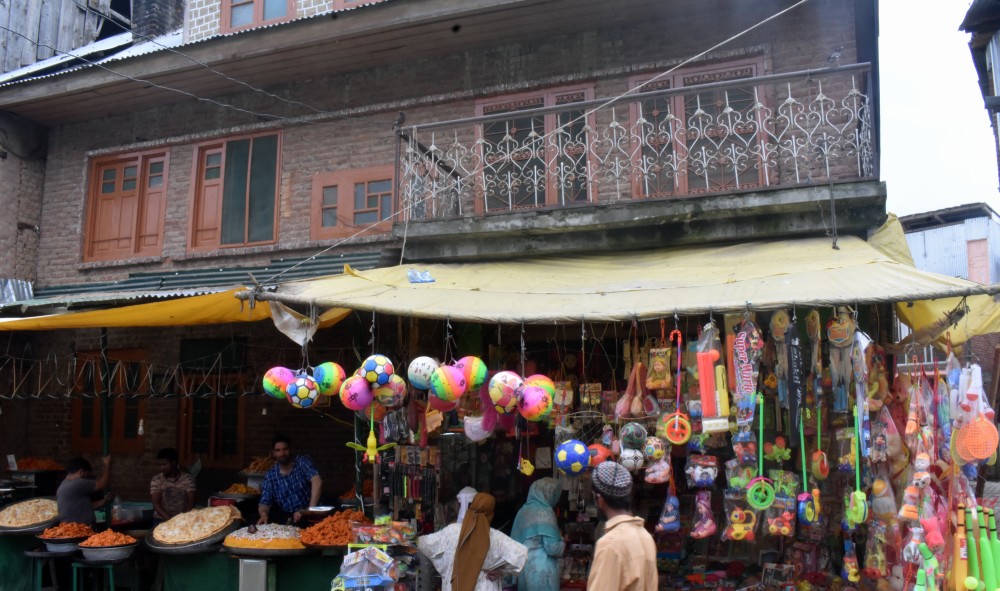
Kashmiris unite for their Reshi’s week-long Urs, infusing the atmosphere with vibrant energy akin to a joyous wedding celebration. Women adorn brightly coloured, intricately Tilla-embroidered Salwar Kameez, while men wear elegant Kurta Pajamas, complemented by vibrant skull caps or classic Nehru jackets.
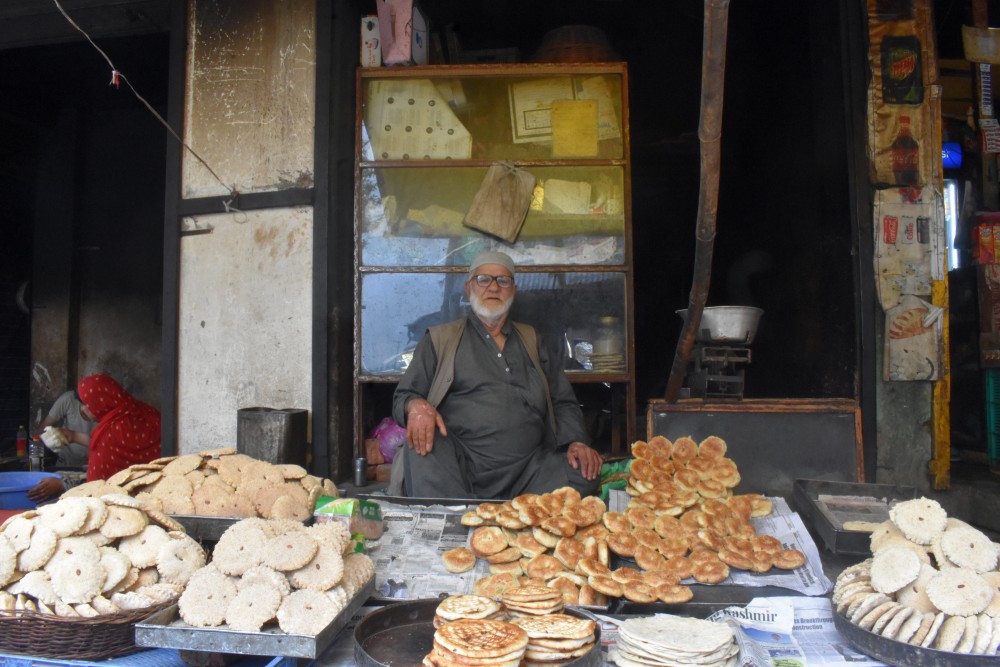
The air resonates with melodious chants of women singing in harmony, amplifying the festive fervour. The Urs festivities seamlessly blend spiritual dialogue and vernacular culture, fostering unity and devotion.
The Rishi Movement’s widespread appeal in Kashmir owes significantly to its embrace of vernacular language in artistic expressions, notably poetry and folk performances. Abdul Khaliq Hajam, a gifted folk artist, captivates audiences with his rendition of Reshi Nama through Naendi Chakri, a lesser-known storytelling art. This melodic narration, reminiscent of Dastangoi, harmoniously blends instruments.
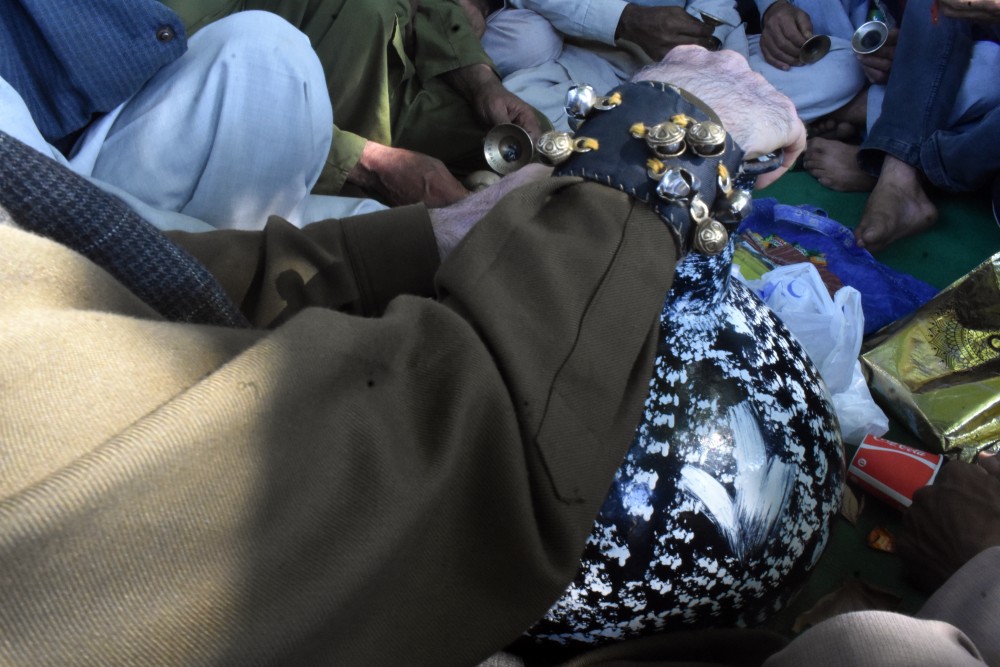
Distinct from mainstream Kashmiri music, Naendi Chakri incorporates indigenous instruments: Ghatam (clay pot), Roeni (anklet bells), Thalij (clash cymbals) and Tumbaknari (earthen drum), preserving traditional cultural heritage.
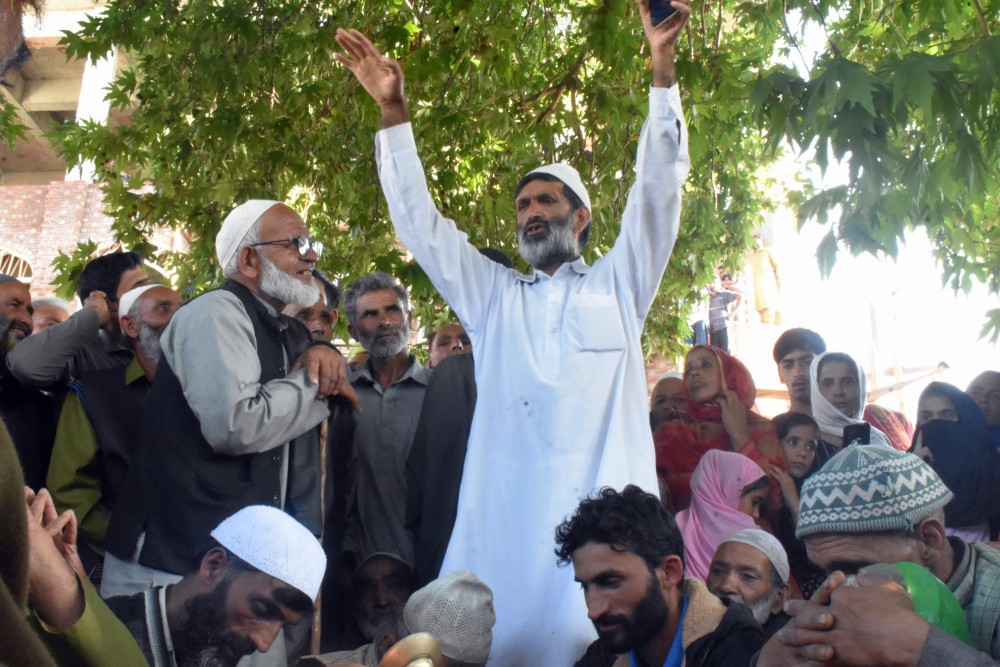
According to some myths Nund Reshi was inspired by the teachings of pious woman saints of early Islam. Yet, despite this legacy, female devotees face restrictions entering the shrine’s inner sanctum (Mazaar).
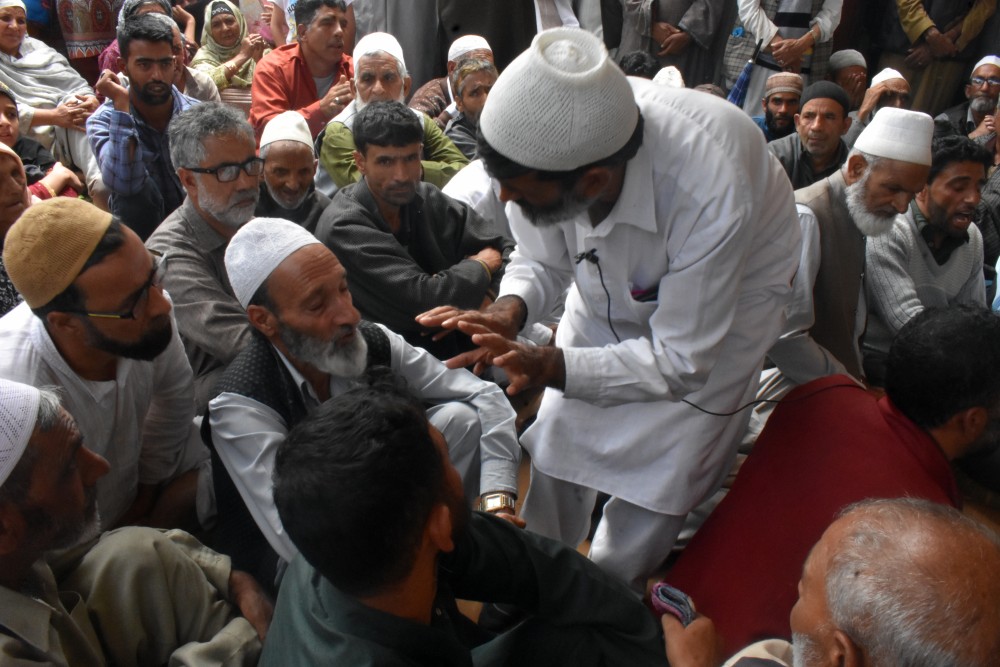
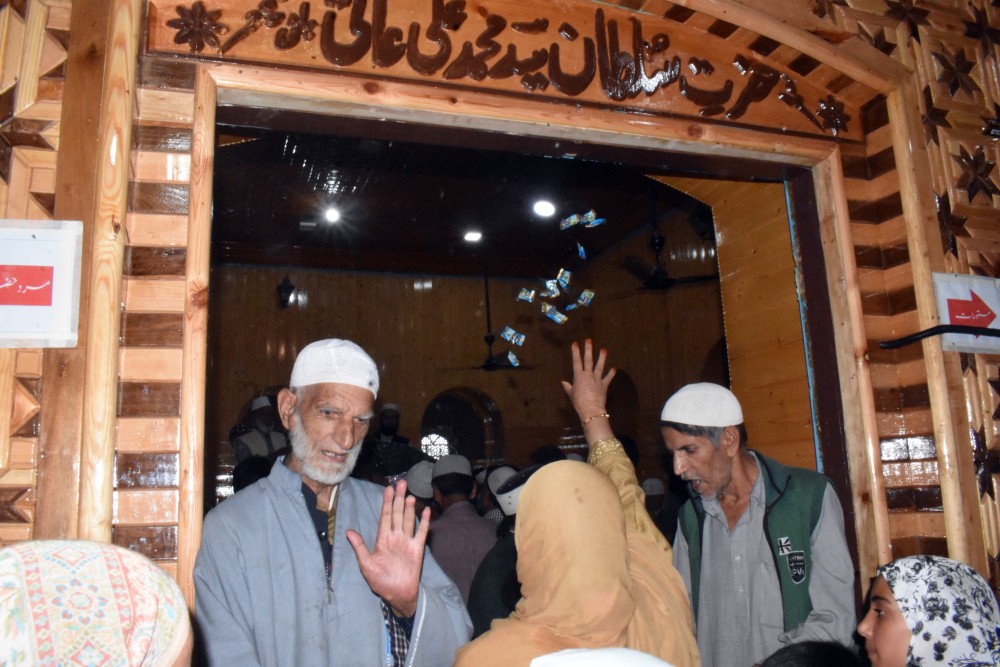
In some shrines, women are only permitted up to the doorway, while others have segregated sections, barring direct access. Undeterred, women pray outside, raising their hands in the hope that their prayers surpass the threshold.
Women reverently offer sweet toffees or candies – from the Mazaar’s threshold to honour their revered Peers. In Kashmiri tradition, distributing these treats is a cherished custom during significant ceremonies: weddings, engagements and Urs celebrations. This heartfelt practice embodies blessings and shared joy, fostering unity and spirituality.
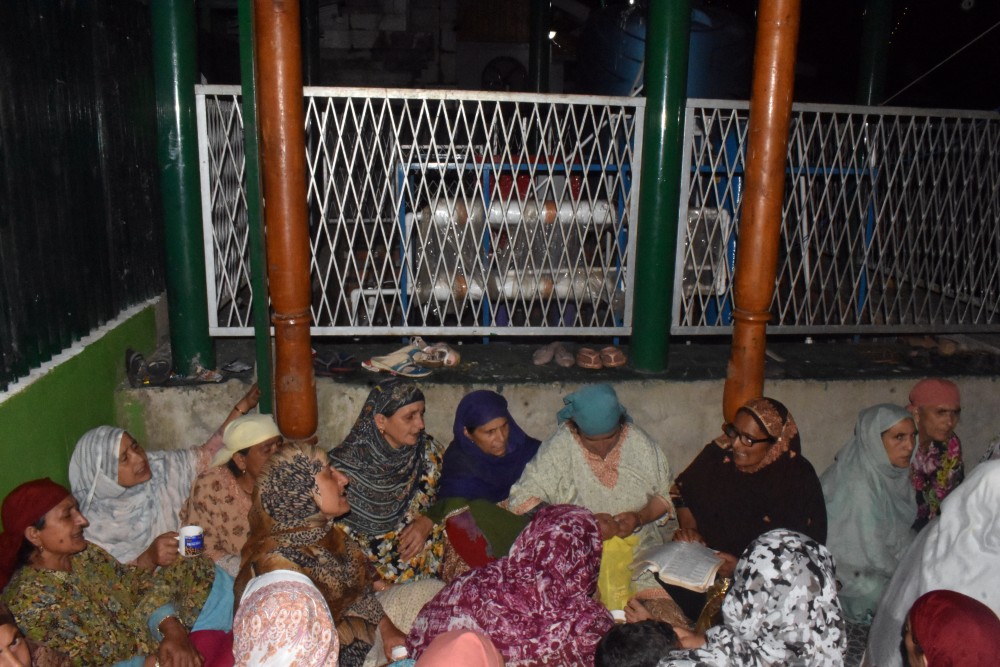
Defying the shrine’s gendered spaces, women forge unique participation paths. During the initial twelve nights commemorating Reshi’s death anniversary, they assemble in pairs or small groups to sing Wanwun, a traditional Kashmiri singing style.
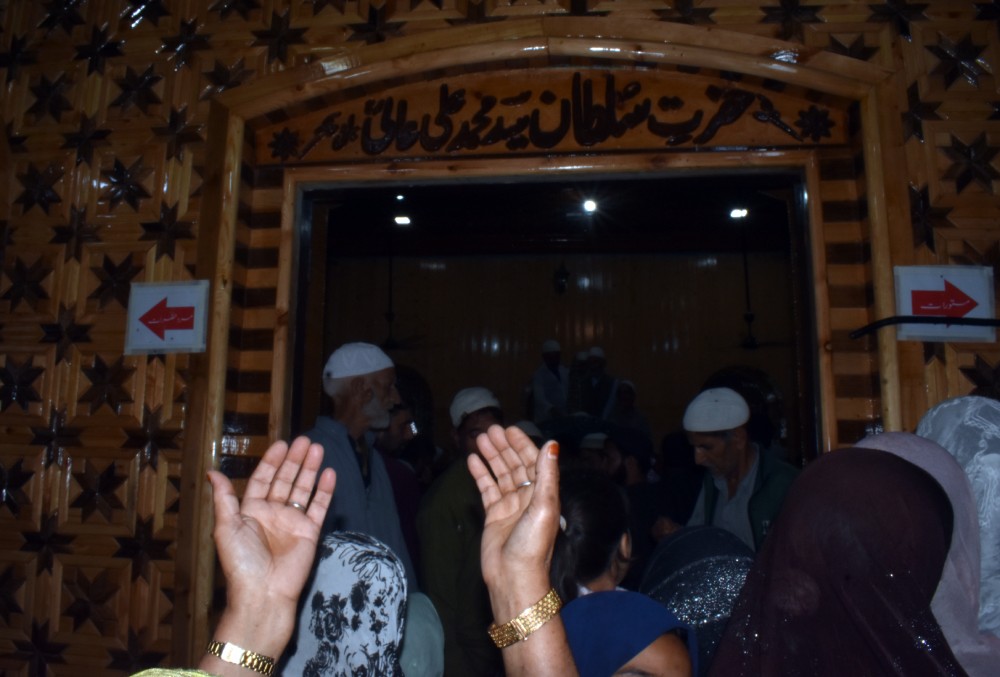
Characterized by melodic tunes on fixed beats with varying pitches, their powerful, devout voices resonate joy and love from afar. Celebrating Reshi’s mystical “wedding,” these women’s harmonies transcend spatial restrictions.
 (Sehar Abdullah, is independent Kashmiri researcher and writer exploring intersections of culture, religion and women’s experiences. Ideas are personal.)