SRINAGAR: Twenty-one civilians, including five children, were killed in Jammu and Kashmir over four days of military action between India and Pakistan. The violence also claimed the lives of five soldiers between Wednesday and Saturday.

India and Pakistan agreed to cease hostilities after the skirmishes, which escalated on May 7 following Indian military strikes codenamed Operation Sindoor. The strikes targeted locations identified by India as terrorist camps, launched in retaliation for the Pahalgam massacre in which 26 visitors were killed. The Pakistan Army responded with artillery fire, hitting Kashmir villages along the Line of Control in Kashmir and Jammu.

The highest casualties were reported in the Jammu region, with Poonch district bearing the brunt of the shelling. Fifteen people were killed as heavy artillery fire from the Pakistan Army pounded civilian areas.
By 5:33 PM on May 10, 2025, as residents in Kashmir braced for another tense night, a tweet from US President Donald J Trump signalled a potential de-escalation. The US president, with considerable influence in the Gulf and India, played a significant role in brokering the ceasefire.
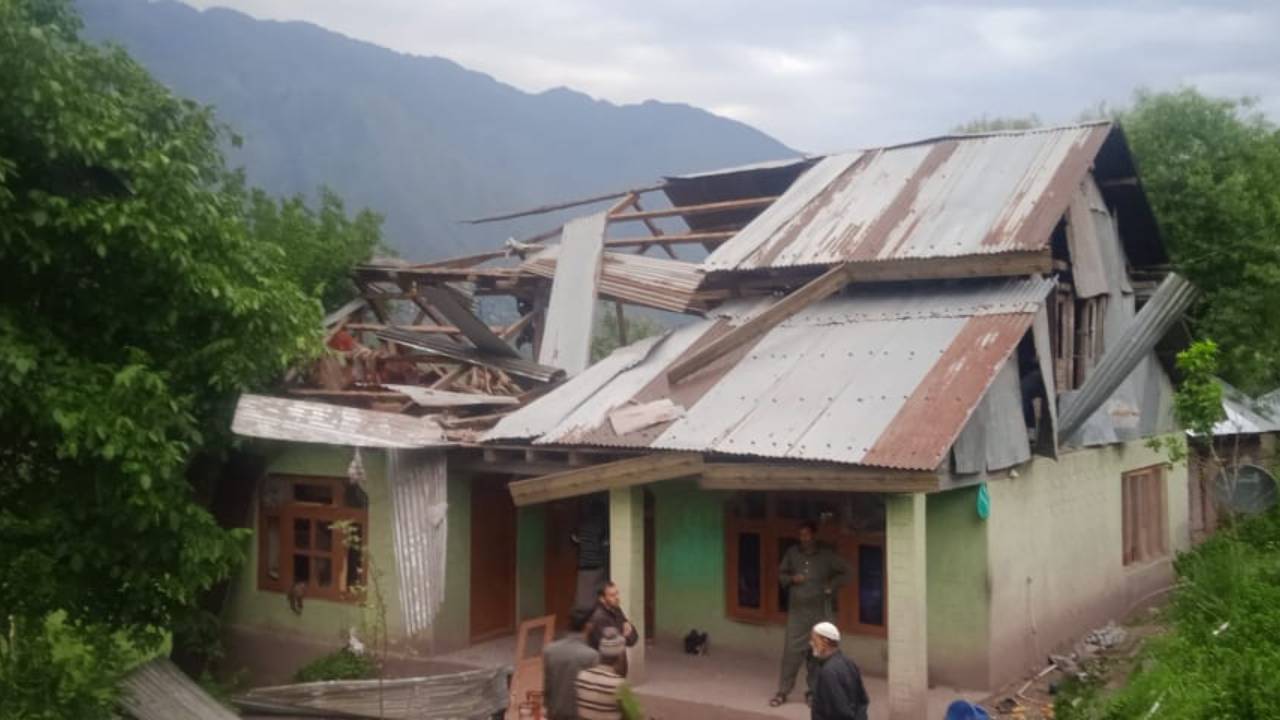
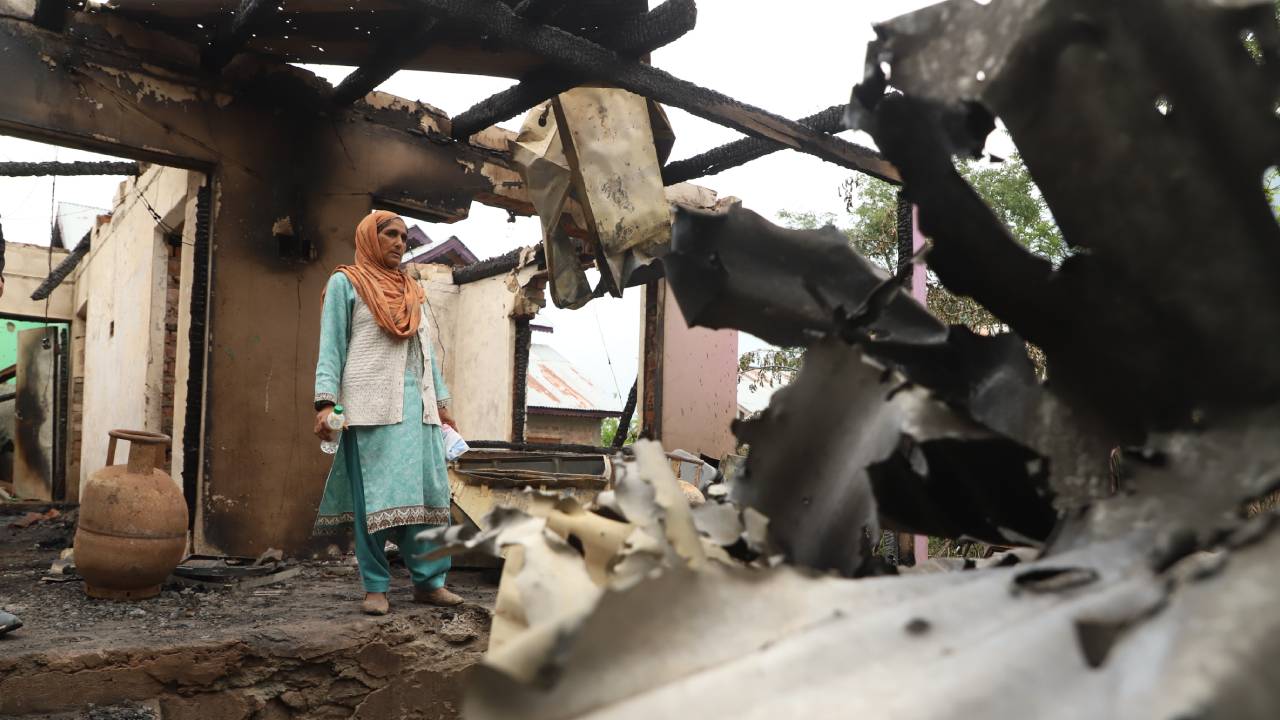
In Kashmir, where days of cross-border tension had created widespread anxiety, the impact of the announcement was immediate. The relentless shelling had already caused severe damage, leaving communities grappling with both physical devastation and emotional trauma.

“We have not slept for a single second since May 7,” said a resident of Poonch, the district with the most casualties. “Children were killed. Innocent people lost their lives. The sounds of shelling and gunfire made it impossible to sleep.”
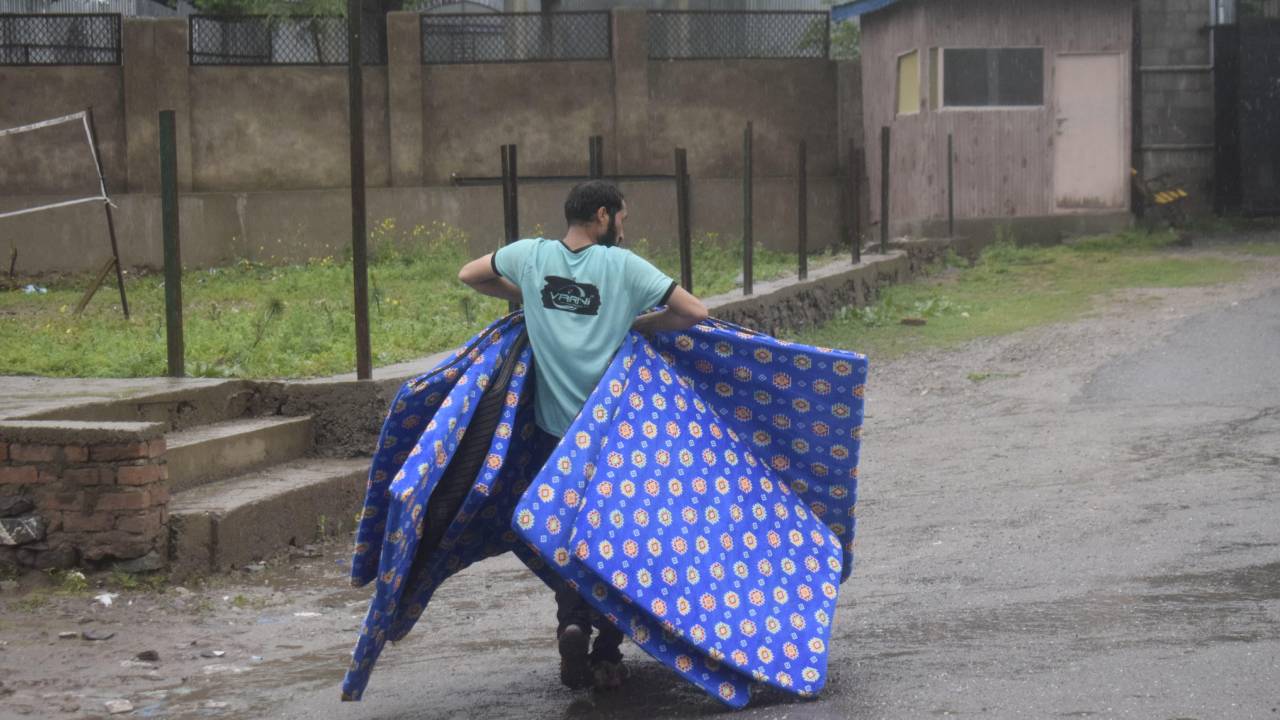
While Jammu faced the heaviest shelling, the Kashmir division was not spared. Uri and Karnah witnessed a significant impact, as artillery fire echoed across the region, deepening the collective sense of fear and uncertainty.
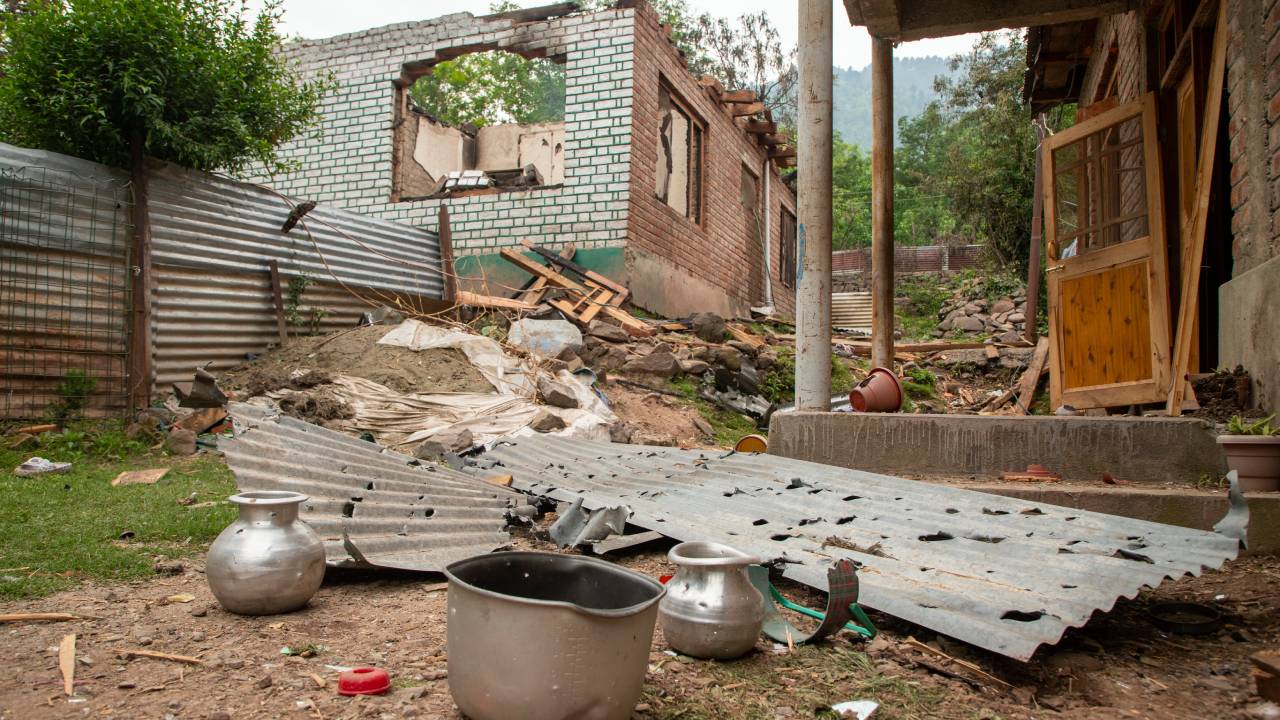
After the ceasefire, the people have started reporting back to their homes. Authorities have asked them to take necessary precautions as the unexploded ammunition could be a serious threat.
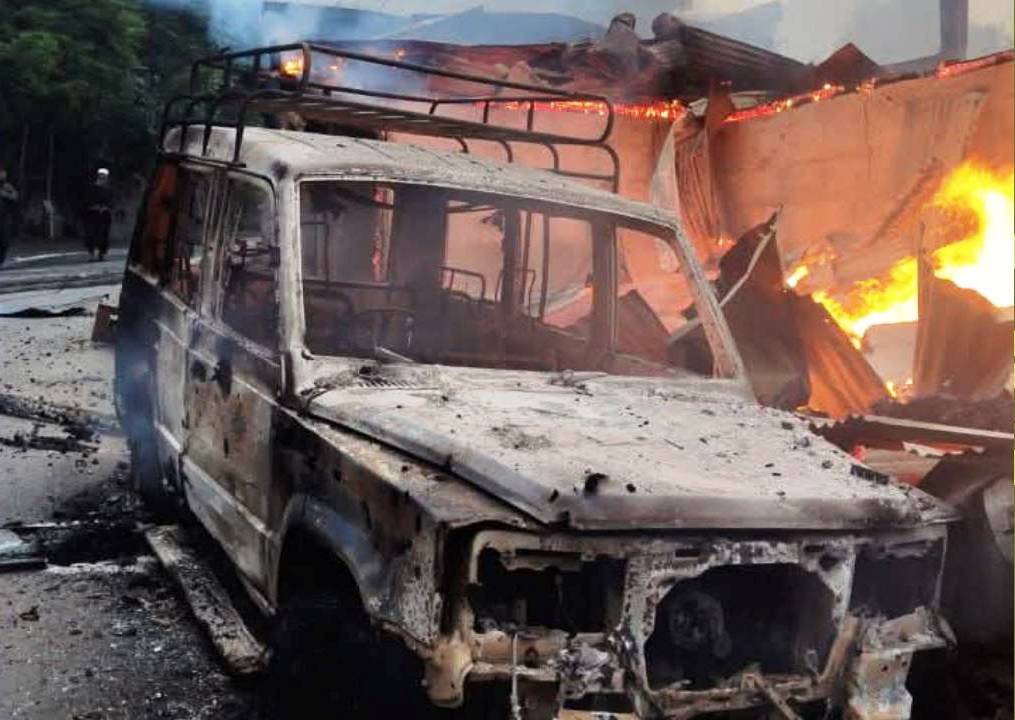
Chief Minister Omar Abdullah has visited the border areas after the ceasefire was implemented. He had a visit to Poonch, Uri and Karnah in recent days after meeting the impacted populations on the Jammu borders.