SRINAGAR: The Jammu and Kashmir government on Monday acknowledged that solid waste management has emerged as a major challenge across the Union Territory due to the increasing volume of waste generation, even as it maintained that infrastructure and systems for collection and disposal are largely in place.
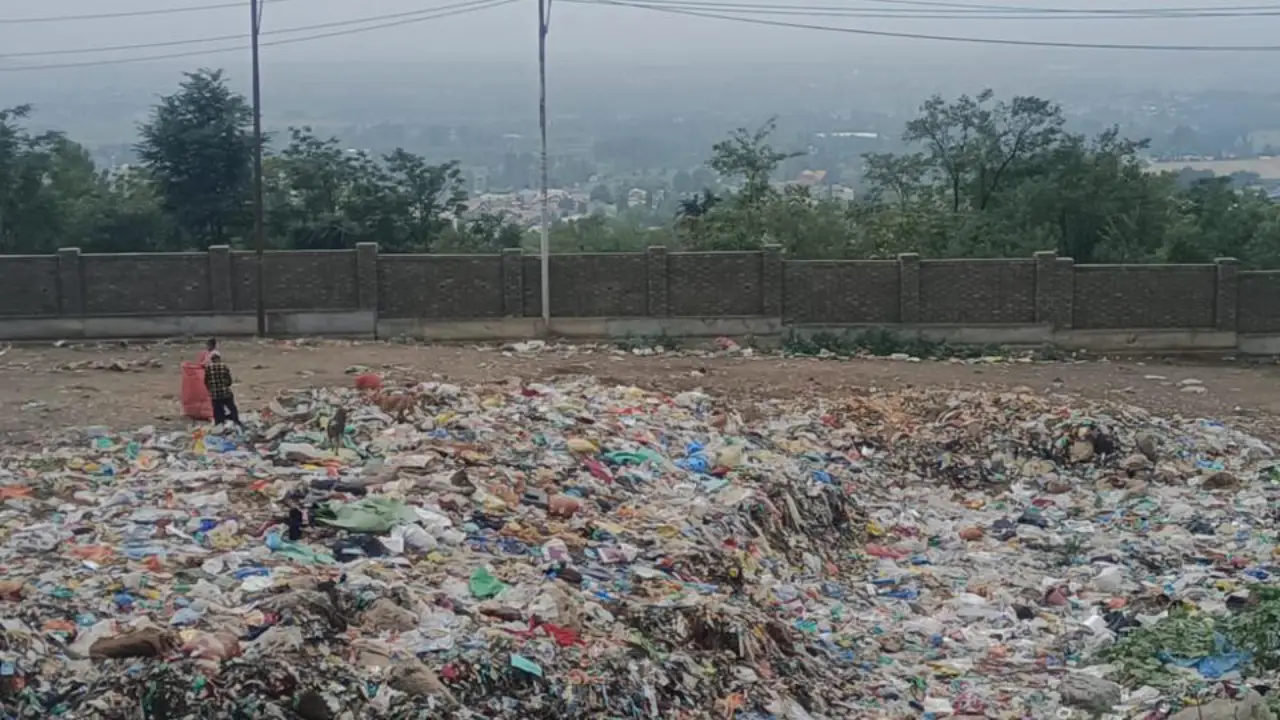
The response came in the Assembly to Un-Starred Question No. 1058 raised by MLA Ghulam Ahmad Mir, with the Department of Rural Development and Panchayati Raj stating that waste management sheds are “largely functional” and supported by mechanisms for collection, transportation and disposal.
The government said that optimal functioning of the system depends on regular door-to-door waste collection, adding that in some areas user charges are being levied to sustain operations, though these remain minimal to ensure wider participation and usage of the facilities.
Addressing concerns about the location of waste management sheds, the government said most of these facilities are situated away from water bodies. In cases where sheds are located near streams or habitations, it said field authorities are taking precautions to prevent environmental damage or inconvenience to residents.
The department informed the House that sustained efforts are underway to streamline waste collection, transportation and scientific processing in rural areas under the Swachh Bharat Mission. Measures include ensuring door-to-door collection, segregation of waste at source, composting of biodegradable waste and scientific disposal of residual waste. It added that awareness campaigns and IEC activities are being conducted to promote proper waste handling practices among rural households.
The government further stated that infrastructure such as hand-driven carts, community dustbins and waste collection vehicles has been provided across panchayats to strengthen waste management systems at the grassroots level.
On the issue of maintenance, the government said that while there are currently no dedicated funds available for operation and maintenance under the SBM-G Phase II scheme, the Finance Department has earmarked 10 percent of the annual Panchayati Raj Institutions capital expenditure allocation for upkeep of solid and liquid waste management assets. This, it said, will support regular maintenance and ensure sustained performance.
It also informed that an operation and maintenance policy for SBM-G and solid and liquid waste management assets is under finalisation and will be operationalised soon to ensure systematic upkeep, functionality and long-term sustainability of the infrastructure created across rural areas.