by Aruba Qayoom
Teaching, once revered as a noble calling, now faces insecurity, contractual exploitation, merit concerns and declining classroom engagement, raising questions about educational quality, teacher dignity and the future of learning.
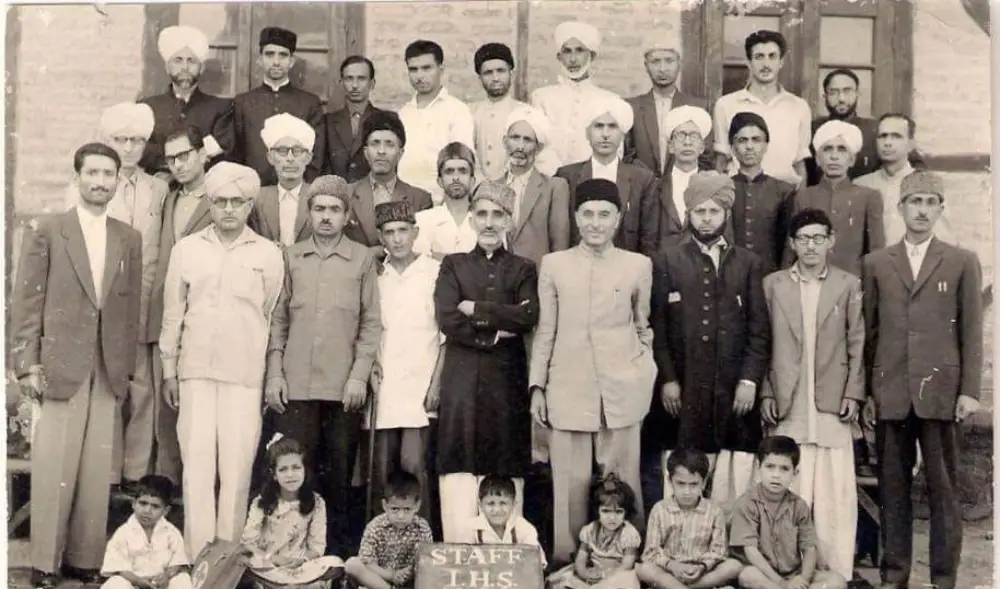
The profession of teaching is one of the finest professions in the world. Our elders did not view education merely as employment but as a means of serving humanity. Teaching is such a noble calling that it gives birth to all other professions. If a teacher imparts lessons, morals and faith to children, this profession becomes a path to spiritual reward. For a teacher, two qualities must always be present: hard work and love.
A teacher must have complete mastery over the subject. When a teacher teaches with effort and preparation, no child dares to look away. Students pay full attention because they feel they are gaining something valuable. This reflects the hard work of a teacher. The second quality is love. If a teacher loves students like their own children, caring for their future and success in the same way, students remain deeply connected to that teacher throughout life.
Teaching is a unique profession where respect increases even after retirement. In other fields, leaders and officials command respect only while they hold office. Once they step down and benefits cease, that respect often fades. In contrast, a teacher’s dignity grows with time. A child who may have been mischievous in class often returns years later with gratitude and affection for the mentor. Such is the lasting bond between teacher and student.
This is an eternal and prophetic profession. The Prophet Muhammad ﷺ said, “I have only been sent as a teacher.” May Almighty Allah grant us all the ability to recognise the status, position and greatness of this profession.
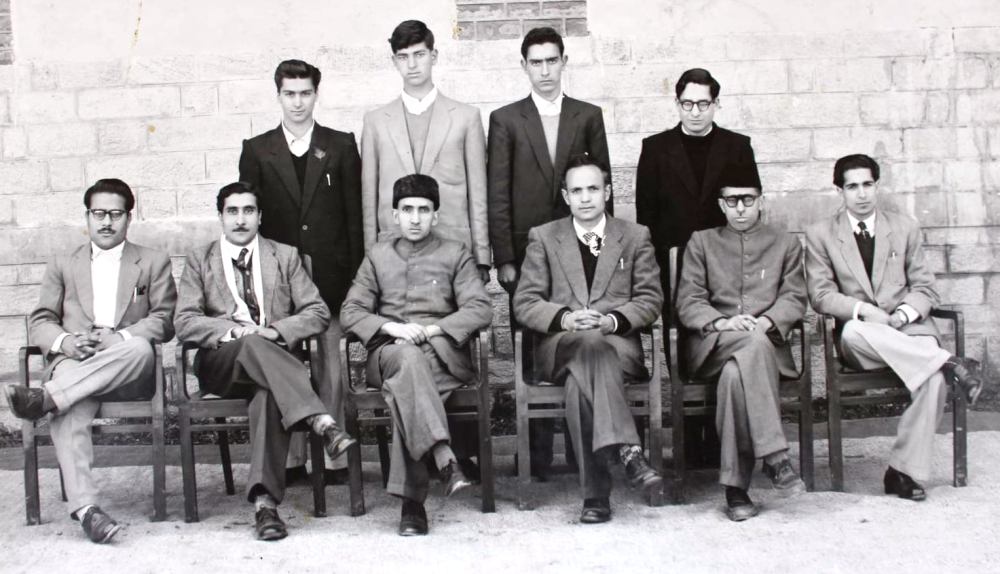
Yet today, a disturbing trend is visible in the education system.
Teachers are often called heroes, yet many are treated as replaceable. Contractual teachers, who frequently carry the real academic burden, are appointed only for short tenures and live under constant uncertainty. Despite immense effort and tireless work, their dedication largely goes unrecognised. A generation of capable, committed and hardworking “shadow teachers” has emerged, bound by temporary contracts while continuing to deliver quality education under professional insecurity.
Even after giving their best to students, they are treated as temporary resources rather than valued contributors. They live with the constant fear that their service may end at any moment. The experience is not merely job loss; it often feels like being told, “Thank you for your service; now move on.”
When students are asked, many admit that much of the real academic engagement and ground-level work is carried out by contractual and guest teachers. These educators connect deeply with learners, guide them patiently and ensure clarity of understanding. Yet they are usually the first to be removed during administrative changes.
There is an urgent need for a proper mechanism that recognises their contributions, values their dedication and provides stability and professional respect.
Another critical concern lies in faculty recruitment. Permanent faculty selection should emphasise merit, subject expertise, teaching ability and academic dedication. While reservation policies aim to maintain social balance and inclusion, it is equally important that academic standards and teaching quality remain uncompromised, as students’ futures depend on them. If categorisation is applied, consideration of economic background alongside competence may help maintain both fairness and educational excellence.
Teaching forms the foundation of society and therefore demands the highest intellectual standards. By prioritising merit, institutions can ensure that students learn from the most capable minds. Unfortunately, recruitment is often dictated by rigid categories and administrative procedures rather than a teacher’s true ability to inspire and educate.
At the same time, while many permanent faculty members are genuinely committed and deserve respect, some rely heavily on PowerPoint-based teaching without real engagement or conceptual clarity. As a result, students struggle to properly grasp the subject matter. The system has undergone a drastic shift that, in many cases, leans toward formality rather than quality.
Students’ feedback often reveals that a section of permanent faculty, protected by tenure and rigid systems, appears to disengage long before retirement. Some enter classrooms, switch on projectors and simply read slides, reducing teaching to a mechanical exercise. Excessive dependence on presentations leaves students staring at screens rather than actively learning. This has contributed to a generation that recognises keywords but lacks a deep understanding.

There is also a biological reality to learning. The human mind requires time to process complex ideas. Writing on the board allows concepts to unfold gradually and naturally. As the marker moves, students build understanding step by step. The time taken is not wasted; it is the period in which information transforms into knowledge. In contrast, rapid slides often overwhelm learners, delivering too much information too quickly for meaningful comprehension. Overreliance on presentations also weakens the emotional and intellectual connection between teachers and students, resulting in superficial learning rather than genuine understanding.
Education shapes the future of a nation. When merit, dedication and teaching excellence are overlooked, it is ultimately students and society that suffer. Teachers form the backbone of society, and selecting and supporting them wisely is essential for building a strong and progressive educational system. The system must recognise these realities before the consequences become irreparable.
(The author is a final-year student of the integrated BSc–MSc in Biotechnology at Central University of Kashmir.)