by Sajid Raina
SRINAGAR: The Kishanganga River flows through the Gurez Valley in North Kashmir’s Bandipora district before becoming the Neelum after crossing the Line of Control (LoC). For most of its length between Gurez and Karnah, it is the LoC.
While tourists often discuss this after visiting Kashmir’s renowned peripheral tourist destination, conversations frequently turn to the pyramid-shaped Habba Khatoon peak, about 13,000 feet high, which remains the standout feature of Gurez Valley even after 500 years.

In summer, many tourists returning from Gurez ask about the connection between the pyramid-shaped mountain and Zoon or Zooni, the sixteenth-century Muslim poetess, who is known to history as Habba Khatoon, the queen of Kashmir’s last sovereign, Yusuf Shah Chak.
Born into a poor peasant family in Chandhara village in Pampore, Kashmir’s Saffron belt, on the bank of the Jhelum, Habba Khatoon faced a challenging life. Her early marriage to a local peasant boy ended in divorce due to his inability to understand her, and she lived in poverty with minimal education.
After the divorce, Zoon began writing and singing Kashmiri songs. Her profound influence on popular imagination was deeply tied to her struggles.
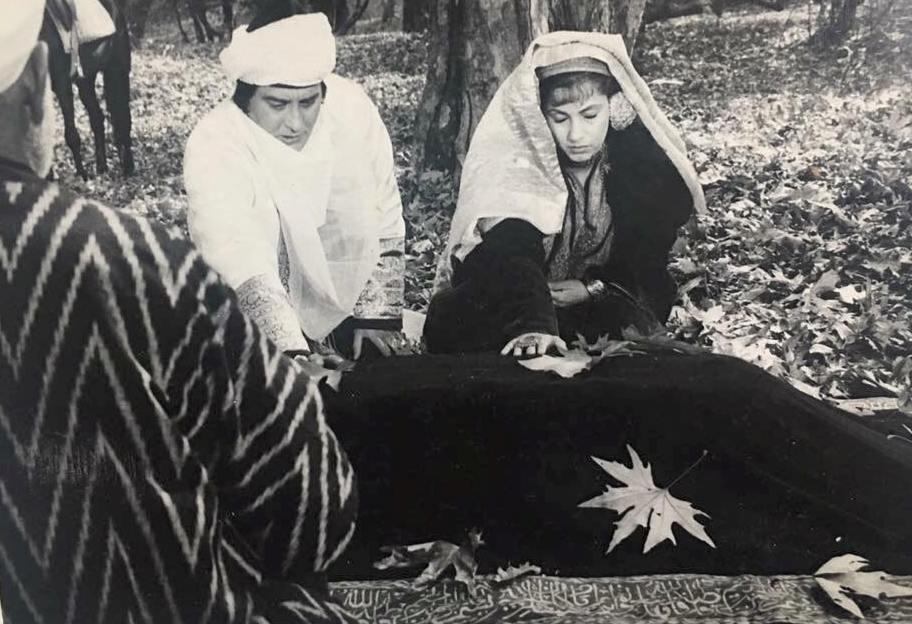
Legend has it that Yusuf Shah Chak, who later became the ruler of Kashmir, heard Zoon singing under a Chinar tree while he was hunting around. Enchanted by her melancholic melodies, he sought her out and was struck by her beauty, leading to their love at first sight. They married later and spent good days at Gulmarg.
At that time, Kashmir was governed by the Chaks, a tribe from Gurez Valley known for resisting Mughal Emperors Babar, Humayun, and Akbar. The Chaks ruled Kashmir from 1579 to 1586 AD and owing to the misrule of Kashmir they lost Kashmir to Mughal forever.
According to historical accounts, after being defeated twice, Akbar made a determined effort to annex Kashmir. He sent his generals, Raja Bhagwant Das and Raja Man Singh, to approach King Chak.
On April 7, 1587, the King of Kashmir travelled to Delhi to negotiate with Akbar. During his stay, he presented his poetry at Akbar’s court, hoping to avoid bloodshed. However, Yusuf Shah was imprisoned and never saw the light of day again, nor did he see his beloved Habba, who had warned the King that the negotiation was a trap.
The day Yusuf left for Delhi was the last time Habba Khatoon saw her husband. The news of Yusuf’s capture devastated her, leading her to adopt an ascetic life. All her poems and songs, filled with sorrow, were dedicated to her estranged husband.
Legend has it that she became an ascetic, wandering the valleys of Kashmir, particularly around the pyramid-shaped mountain in Gurez Valley. Her profound sorrow resonated with nature and the mountains, embodying the tale of a woman lost in grief and longing for her husband.
Habba Khatoon returned to Gurez Valley and spent most of her remaining years there. The Pyramid Mountain was later named after her. This is a local legend. A spring that emerges from this mountain is also named after Habba Khatoon.
Some accounts also claim that Habba Khatoon wandered around the pyramid-shaped mountain in Gurez, singing Naad ha layei, Myani Yusufo wallo [Am calling out for you, come my Yusuf].
In Kashmiri literature, Habba Khatoon remains a timeless figure. Her poetry continues to uplift and fascinate, marking her as one of Kashmir’s greatest writers for her ability to capture the depths of human emotion in verse. Habba Khatoon is a genuine literary gem of Kashmir, and her life and achievements are celebrated to this day.
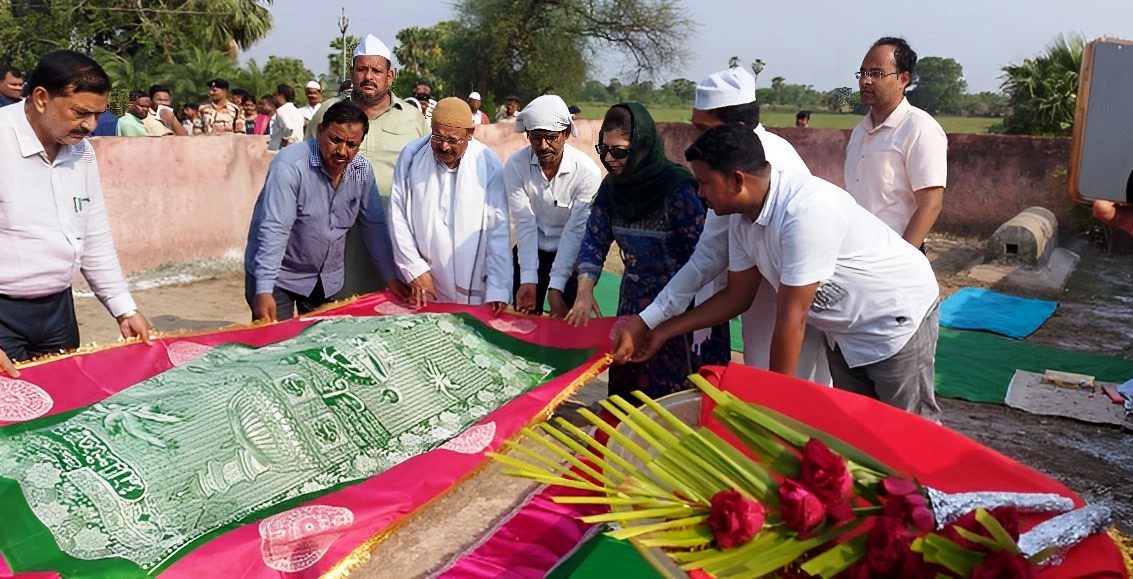
While many historians state that Habba Khatoon is buried in Athwajan, Kashmir, well-known Kashmiri historian Mohammad Yousuf Taing proposed in 1977 that she is buried near her husband’s grave in the cemetery at Biswak, near Kashmiri Chak. Mughals eventually permitted a reunion after taking Yousuf Shah as their ally.