Danish Renzu directed Songs of Paradise, a heartfelt musical drama honouring Kashmir’s legendary singer Raj Begum. Centred on courage, music, and memory, it revives Kashmir’s cultural soul without politics or distortion, writes Fahd Khan
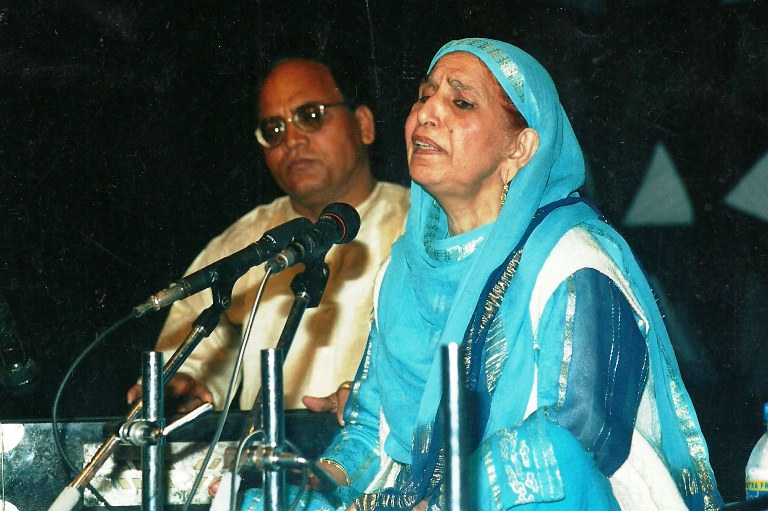
In the heart of Kashmir, where everything feels full of stories and memories, Songs of Paradise emerges as a cinematic and musical ode to the forgotten voice of the legendary Raj Begum. Directed by Danish Renzu, this film is more than just a narrative- it is a reclamation that brings back the old memories of Kashmir culture through beautiful and emotional songs that were forgotten.
Released on Prime Video, Songs of Paradisemight not have made headlines like many commercial films, but it stands out for its honesty. It does not rely on propaganda, political conflict, or violence to tell its story, as most films on Kashmir do. Instead, it focuses on music, culture, and a woman’s courage in a world that wanted her to stay silent.
Directed by Kashmiri filmmaker and produced under the banner of Farhan Akhter’s and Ritesh Sidwani’s Excel Entertainment in collaboration with Apple Tree Pictures and Renzu Films, the film premiered on Amazon Prime on August 29.
A Voice that refused to die.
Songs of Paradise is a musical drama that pays rich tribute to Raj Begum, a legendary female singer and cultural icon of Kashmir. Known as the “Melody Queen of Kashmir,” she was the first woman whose voice was ever broadcast on the erstwhile Radio Kashmir, Srinagar. Post partition, when society was rapidly changing, deep-rooted patriarchy and male dominance still existed. Women were not encouraged to work and were expected to remain silent. But in such a conservative society, Raj Begum became a powerful voice of change, breaking barriers and inspiring generations with her courage and talent.
Set in the 1950s, the film tells the fictionalised story of Zeba Akhtar, played by Saba Azad. Zeba is a young girl with a soulful voice, raised in a household with a supportive father and a strict mother, who believes her daughter’s duty is to marry and settle down.
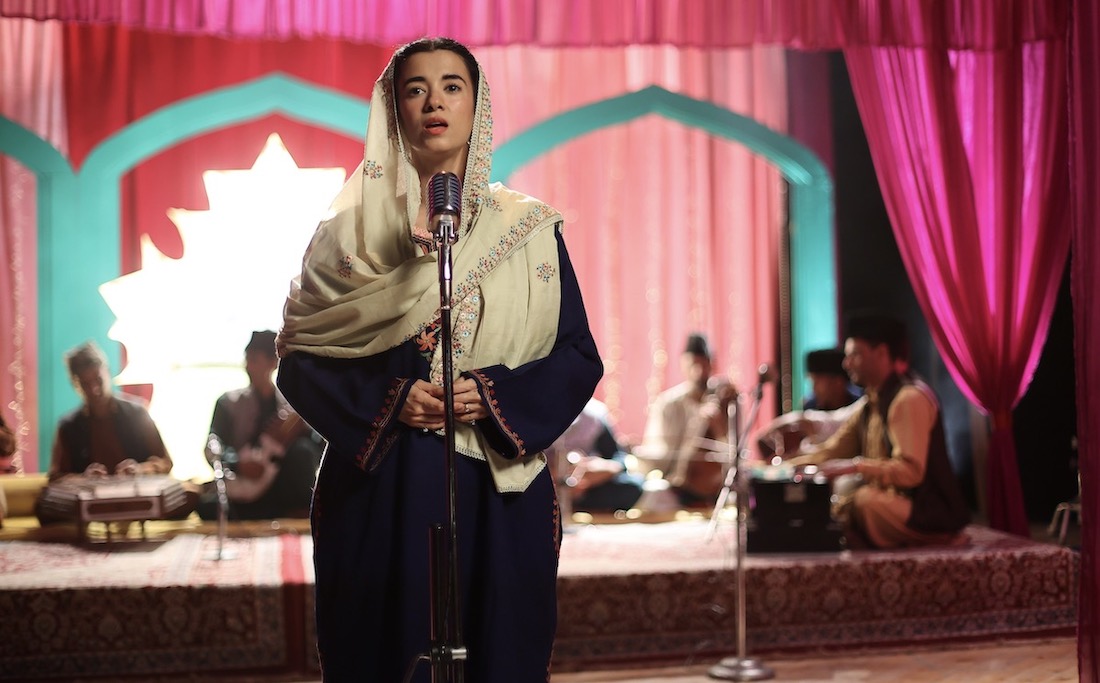
Without her mother’s knowledge and with the support of her music teacher, Zeba enters and wins a radio singing competition, setting the stage for her rise as the musical heart of Kashmir. She joins Radio Kashmir, where she finds no other female colleagues and even faces something as basic as the lack of a women’s washroom—highlighting the gender disparity of the time. She also faces pay discrimination, where her junior male counterpart was paid more than her.
She adopts the stage name Noor Begum and begins to sing publicly. Her voice, soft yet powerful, spreads across Kashmir, gaining fame and admiration. However, success doesn’t come without struggle. Her parents face social backlash and taunts from the conservative society for allowing their daughter to sing on the radio. Zeba marries Azaad, a poet she meets at the radio station, who truly understands and supports her. Azaad doesn’t stop her from singing. Instead, he becomes her biggest supporter despite facing a societal backlash. He encourages her to keep singing and follow her passion.
Performances
The film features Saba Azad, Soni Razdan and Zain Khan Durrani in lead roles.
Saba Azad gives a strong performance as Zeba. She speaks Hindi with a Kashmiri accent, showing the natural influence of her mother tongue, which makes her character feel real and authentic. This film could be the turning point in her career.
Soni Razdan gives a graceful and emotional performance as the older Zeba. She brings depth and dignity to the role with her calm and expressive acting.
Zain Khan Durrani plays Azaad, Zeba’s supportive husband, with charm and sincerity. His calm presence and gentle support make his character lovable. He brings warmth to the story. Azaad will surely boost his career, and he is going to be a household name soon.
The film also features Bismah Meer, Taaruk Raina, Sheeba Chaddha and Lalit Parimoo in pivotal roles.
The film’s screenplay is slow and gentle, which invites you to pause, breathe, and simply lose yourself in the beauty of music and emotion.
Danish Renzu has done a wonderful job as the director. He tells the story in a simple, emotional, and respectful way. Instead of using loud drama or politics, he focuses on music, culture, and a woman’s courage. His direction makes the film feel real, honest, and deeply touching.
Nostalgic Music
The music is the heart and soul of this film. Each song is crafted in such a way that it feels both archival and revolutionary, bringing back the old memories of Radio Kashmir. The songs are filled with the rich folk sounds of Kashmir, making them emotional, powerful, and unforgettable. The composition of Abhay Sopori pays rich tribute to the classical and folk traditions of Kashmir. Reviving Raj Begum’s songs in a modern arrangement while retaining their raw emotional truth is no easy feat. The voice of Masrat UnNisa, who sings for Zeba’s character, is especially beautiful. Her singing perfectly shows the pain, strength, and pride of a woman trying to break free in a traditional society. The melodious song Dil Tsooran is trending on Instagram reels.
The visuals have also been very beautifully captured. It shows old Kashmir using soft lighting, traditional clothes, and stunning scenery. Every small detail is carefully shown, which makes the film feel both emotional and real, connecting us to the time and culture.
No Distortions
For Kashmiri audiences, the film offers something rare; it doesn’t exoticise Kashmir, nor does it reduce it to a backdrop of suffering. Without distorting anything, it revolves around the Kashmiri language, Kashmiri art and Kashmiri women and uses them as a breathing force.
The film is an impressive tribute to a brave Kashmiri woman whose song was silenced when society wanted her to stay silent. It helped dismantle social taboos around women singing publicly and opening doors for later generations of women artists on stage and radio.
Raj Begum was awarded the Padma Shree in 2002 and the Sangeet Natak Akademi award in 2013.