As editor of the 30-part series, Iqra Akhoon shares her transformative quest, and how the pursuit of excellence can transform both the creator and the creation.
In February, our newsroom embarked on an audacious endeavour to craft a 30-part series, Jashn-e-Ramazan 2, an ambitious project that would push the boundaries of storytelling and artistic expression. While the concept was vivid and full of promise, bringing it to fruition proved to be a formidable challenge, a true test of our collective creative mettle.
This was not our first foray into the scheme of grand productions; a similar sense of scope and ambition had always marked our past undertakings. However, this time was different. The stakes were higher, the expectations greater, and the pressure to deliver enormous.
In the maiden season of Jashn-e-Ramazan, the inimitable Sabreen Ashraf, a talented anchor with a rare artistic touch, played a pivotal role, displaying a mastery of her craft that set our work apart. Her ability to weave disparate threads into a cohesive narrative was unparalleled, and the series became a resounding success. As we stepped into the second season in 2024, all eyes were on me to take the reins and lead the creative charge.
The editor, naturally, expected me to anchor the series, to be the face of the series and bring my perspective to the fore. But, in a move that caused a stir of uncertainty within the team, I declined. Instead, I opted to remain behind the scenes, focusing my energies on editing the 30 films, a task that would demand my utmost dedication and commitment.
“I wanted to push the boundaries of storytelling, to experiment with new ideas and techniques,” I explained to the team. “By stepping back from the anchor’s role, I could focus on crafting a narrative that was both cohesive and innovative, one that would do justice to the spirit of Ramazan.”
As I delved into the editing process, I thought I knew that I made the right decision. The series began to take shape, a rich collection of stories and experiences that will resonate with audiences and leave a lasting impact. The journey was far from easy, but in the end, would it be well worth the struggle?
Trials of Editorship
As I took over as the series editor, I embarked on a path shrouded in uncertainty, yet I was resolute in my determination to see it through, no matter the personal cost. The weight of responsibility settled upon me like a mantle, and I steeled myself for the challenges that lay ahead.
My days unfolded with metronomic regularity, commencing at 9 am and often stretching into the late hours of 9 pm. On days, I reached home after the Taraveh prayers were over. The prolonged hours took a toll on my physical and mental well-being, forcing me to confront the unyielding demands of my new position. For the first time in my life, I found myself donning glasses, a testament to the intense strain on my eyes, which had grown weary from poring over footage and scripts.
My workspace, a small, Spartan room, became my sanctum sanctorum, equipped with a desk, a computer, and an eerie solitude. Ramazan, the month of fasting, came with an austere silence that precluded even the comforting ritual of a cup of tea to punctuate the monotony – Hum Ramzan Main Hain, the line that Shadab would repeat in every episode.
The sheer volume of footage that required editing was staggering, a daunting task that threatened to consume me whole. Selecting the right shots added another layer of stress, as I grappled with the weight of creative responsibility. I often wondered if those around me fully grasped the physical and mental toll this project exacted from me, or if they merely glimpsed the surface ripples of my struggle.
A Do Not Disturb sign became a constant sentinel on the door of my room, a barrier against the outside world, shielding me from interruptions during my working hours. In moments of dark humour, I considered adding a caveat: I am already disturbed. Yet, I refrained, adhering to a professional demeanour, even as internal chaos threatened to consume me.
“I had to find a way to tame the chaos, to impose order on the creative tumult,” I reflected, my voice barely above a whisper. It was a journey into the heart of uncertainty, but one that I was determined to navigate, no matter the cost.
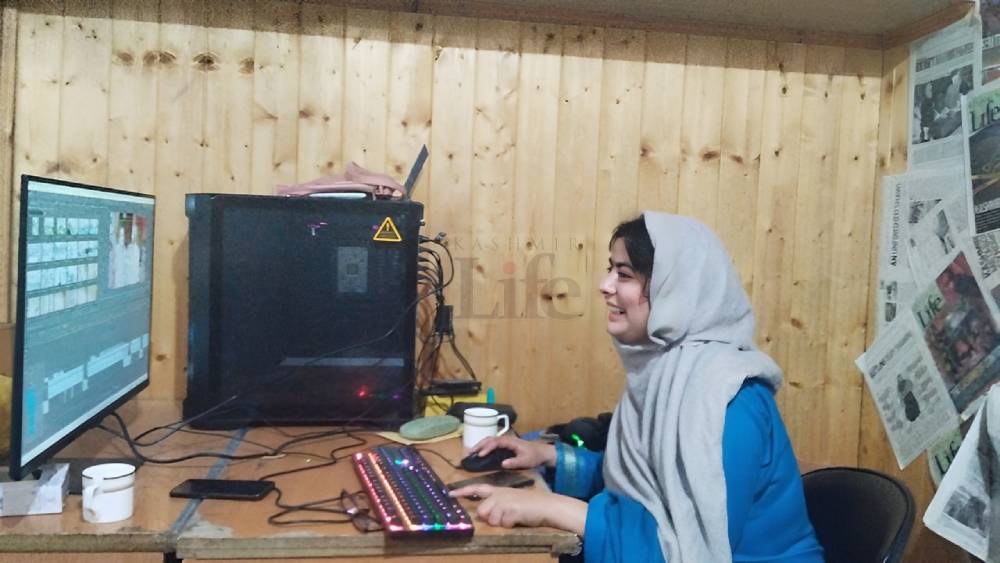
The Ramazan Trails
The inaugural day of Ramazan had been a marathon of unrelenting pressure, as the weight of expectations from all quarters threatened to crush me beneath its oppressive yoke. I drove myself to the brink of exhaustion, toiling tirelessly to complete the first episode by the self-imposed deadline of 9 pm. The episode’s scheduled broadcast, carefully calibrated to coincide with the iftaar (Maghrib Namaz), hung precariously in the balance. Yet, despite our Herculean efforts, we missed the mark, and the sting of failure lingered, a bitter reminder of our shortcomings. The first episode finally aired at 10 pm, a full hour after the intended broadcast time.
As the days blurred into a haze of weariness and frustration, the strain began to tell. My mother, once a pillar of support, now scolded me for my late-night returns, suggesting, with a hint of exasperation, that I might as well take up residence at the office. My father, usually a beacon of encouragement, remained uncharacteristically silent, his tacit disapproval a palpable force. Still, my commitment to the project remained unwavering, a promise to myself to see it through, no matter the cost.
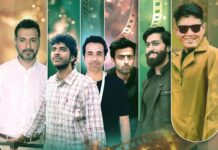
The monotony of editing, a Groundhog Day of repetitive content, threatened to consume me whole. I confided in Shadab, my frustration boiling over, “Throughout this entire month, I have seen only one face.” His laughter, a rare moment of levity, was a fleeting respite from the crushing drudgery.
Yet, as an editor, I was duty-bound to critically evaluate every aspect of the series, from camera work to anchoring. Shadab’s spontaneity, though admirable, was a luxury I could not afford. I needed him to tread the fine line between elegance and camera awareness, his every step and gesture synchronised with the sound. Alas, my pleas fell on deaf ears.
The series had become a Sisyphean task, a creative millstone around my neck. Even the occasional late-night scooter rides home with Aiman and Fayaz, intended as moments of catharsis, felt like a burden, my mind consumed by thoughts of my mother’s taunts. The usually exhilarating rides now seemed like a chore, a reminder of the long hours and unrelenting pressure that had become my reality.
The Editor’s Conundrum
As an editor, I yearned for the thrill of variety, for novel challenges that would reignite the spark of creativity within me. Yet, the monotony of editing the same content day in, and day out, had begun to suffocate my passion and energy. The drudgery of repetition threatened to consume me whole, leaving me a hollow shell of my former self.
But I knew I could not afford to surrender. This project was my commitment, my promise to the team, and most importantly, to myself. I owed it to myself to see it through, no matter the hardships. And so, we pressed on, driven by an unwavering belief that success would be ours, no matter the obstacles.
The nature of the show, a question-and-answer format focused on Islamic topics, demanded meticulous attention to detail. I often found myself scrutinising the anchor’s responses, verifying the accuracy of their words, as participants’ correct answers were rewarded with gifts from our sponsors. This process, while necessary, devoured a significant chunk of my time, leaving me with precious little to devote to other aspects of the project.
As I toiled away, editing material for hours on end, my mind wandered to the audience, to the viewers who would ultimately judge our work. The pressure to attract attention, hung over me like the sword of Damocles, leaving me frustrated and on edge.
And then, there was Fayaz Najar, whose constant, though, maybe, with good intentions, cynical mocking threatened to erode my confidence. “Idarah Khatre Main Hai! Can you do this right? And on time?” his words seemed to say. But I refused to let his jibes get the better of me. For I knew that our work had resonated with the people within and outside Kashmir, around the globe. “Alhamdulillah,” I breathed a silent prayer of gratitude, “our efforts have been rewarded.”
In the end, it was this knowledge that sustained me, that drove me to push forward, even when the journey seemed impossible. I knew that our work was not just about TRPs or views, but about touching lives, making a difference, and outreach to people to listen to them, their hopes, ideas, tensions and problems. And that, I realised, was the greatest reward of all.