Kashmir and Bangladesh sit at opposite ends of the Himalayan arc, yet their ties run deep and old. Medical students, apple traders, accidental models, and a founding family link the two. Masood Hussain traces threads that were never quite cut, only forgotten.
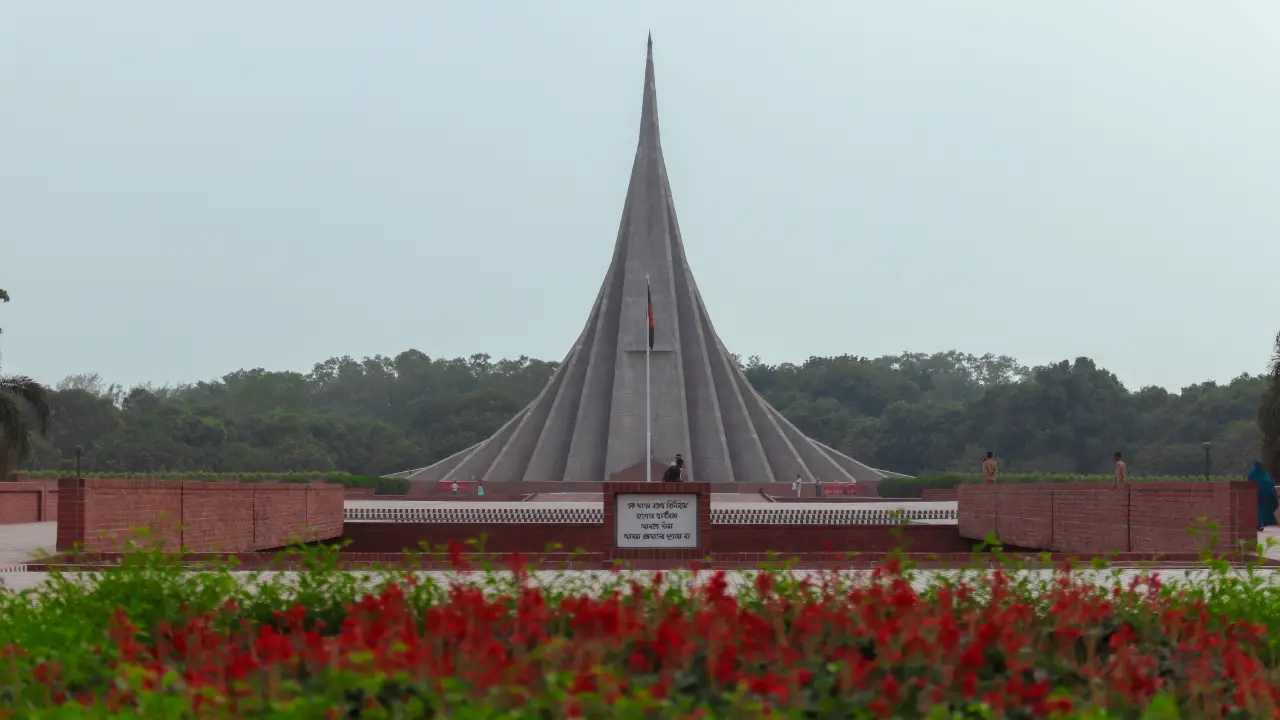
It was an interestingly unusual sight: two young Kashmiri doctors, on the verge of returning home, locked in a serious negotiation with a bookseller at Nilkhet, Dhaka’s most crowded book market. They had known each other for more than six years, and the tension between them centred on the edition of a book their juniors intended to purchase.
They spoke Bangla with the ease of language students at Dhaka University, not far from the market. After a few minutes of high-pitched exchanges, first over the edition, then over the price, they broke into smiles. The deal was done. The two juniors accompanying them stepped out of the suffocating, humid market, carrying large bundles of books, aprons, colour pencils, and stationery.
“Tell them not to misplace the visiting cards I gave them,” the bookseller said, asking the doctors to advise their juniors. “And tell them not to come here every time, just send me the name of the book and I will have it delivered. It may take them some time to adjust to the weather here.”
Nilkhet is a vast market where small shops stretch vertically, crammed with stock, and the sellers barely find a moment to rest. It deals largely in professional and technical college textbooks, with daily sales running into millions of takas, and can deliver any book published anywhere on earth within 24 hours at very affordable cost. For Kashmiri medical students, it has become a kind of second home.
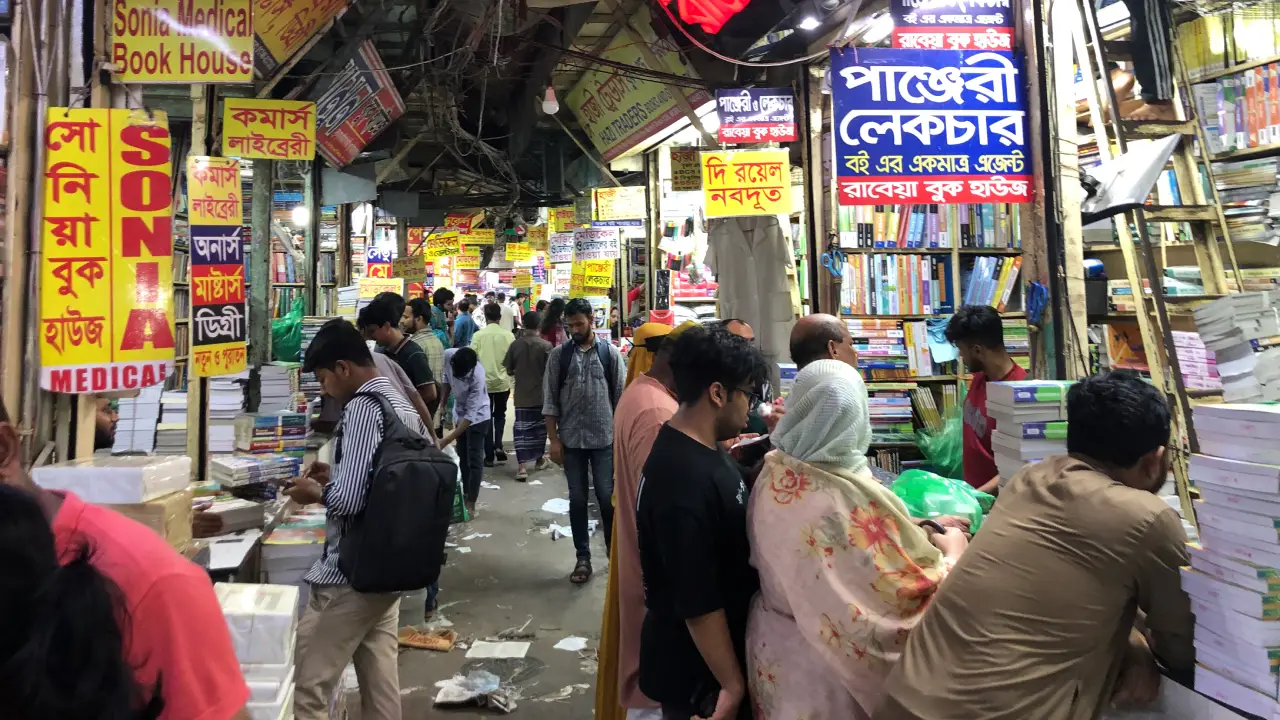
“In 2021, I flew to Dhaka with a group of medical aspirants. Within 24 hours, everyone dispersed to their assigned colleges, and I was left on my own. Even my college was still developing, with limited facilities, especially the hostel,” said Dr M, a Srinagar resident set to return home in a few months after completing his degree and internship. “At first, everything felt strange, alien and difficult to navigate. But I adapted. I learned the language, found my footing, and gradually felt at home. More than five years on, I am as settled as any local.”
Kashmir’s Medical Corridor
In Dhaka’s cosmopolitan landscape, Kashmiris are present in significant numbers, likely a few thousand. They are spread across more than 100 medical colleges in Bangladesh’s public and private sectors, most enrolling through paid seats, with a smaller cohort admitted under the free-education quota outlined in the Delhi-Dhaka MoU.
“Medical education in Bangladesh has evolved considerably and offers clear advantages,” said Basharat Hussain of Ess Ess Consultants, a Srinagar-based education consultancy. “It is geographically close, accessible by land, and culturally familiar. Having been part of the same region, it shares similar disease profiles, which is a major academic advantage. Importantly, the cost is nearly half of what it would be back home.”

The movement of Kashmiri students to medical colleges in Bangladesh traces back to the early 1990s, when Jalaluddin Shah, a geologist who later turned education consultant, began facilitating admissions. During a visit to Bangladesh in 1992, Shah was struck by the large number of medical colleges and the opportunity they presented. “I approached senior officials, including Dr Abul Sattar, Dr Choudhary, and Minister Badruddoja Chowdhury, and proposed a formal arrangement. They agreed to allocate a small free quota for Indian students, initially six seats, provided we sent eligible candidates,” he said. Even now, 22 seats fall under this quota and Kashmir gets its fair share.
Returning at a time when families were wary of sending children abroad, Shah decided to lead by example. “People were hesitant, so I sent my own son first, along with the children of some well-known doctors,” he said. What began as a cautious experiment gradually expanded into a steady stream. Over the years, Shah claims to have facilitated the admission of more than 5,000 students, with annual batches ranging from a few dozen to larger groups drawn from modest backgrounds as well as families of bureaucrats and professionals. His outreach often extended beyond formal applications, identifying capable students even from remote areas, verifying academic records, visiting families, and helping arrange passports and visas.
“It was almost a movement, there was intent on both sides to take it forward,” Basharat Hussain said. “I recall a press secretary at the Bangladesh High Commission in Delhi, Enam ul Haque Choudhary, who would frequently visit Srinagar; the administration would even provide a bulletproof vehicle for his movement. That level of engagement helped cement these ties.” Of around 2,000 students going from India to Bangladesh for medical education every year, almost 400 are from Jammu and Kashmir.
The students adapted, settled, and in some cases, found unexpected doors opening around them.
From Trader to Icon
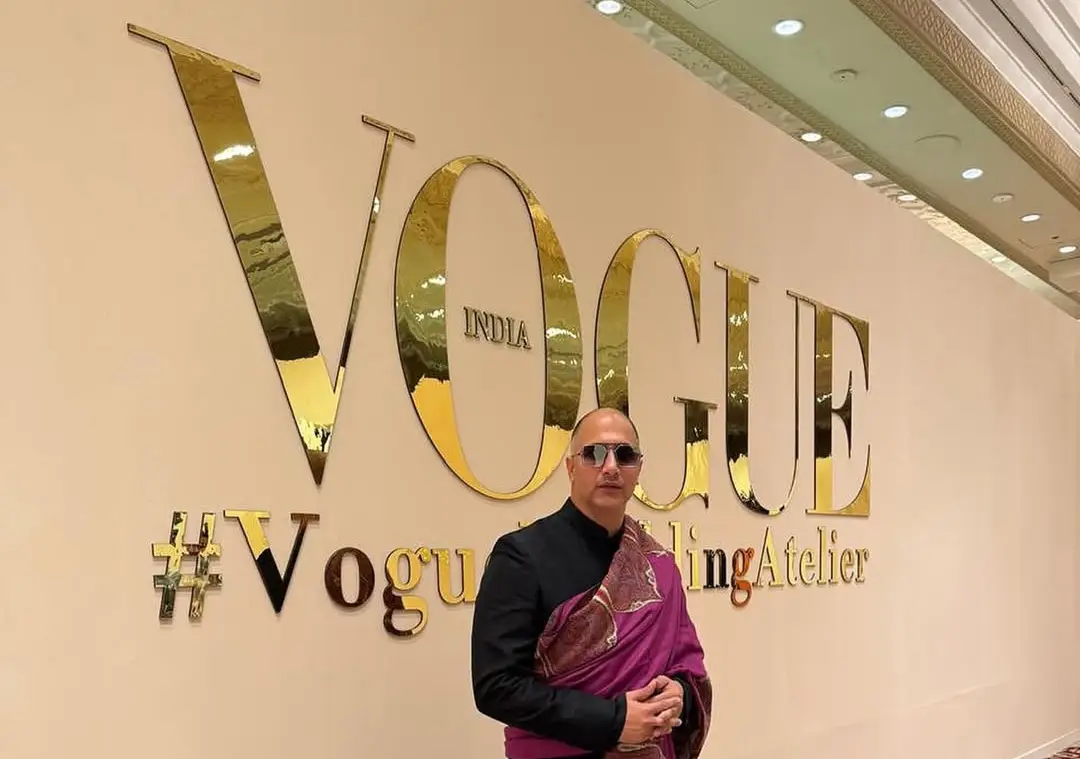
As Kashmiri students were laying bridges across campuses, a parallel, entirely unplanned story was taking shape in Dhaka’s commercial districts. A Kashmir handicrafts trader, making his annual rounds at the Dhaka International Exhibition one year, saw the potential for something more permanent. His name was Tariq Dar.
Tariq’s first visit dates back to 1997, when he travelled with his father, who already had an established network in Dhaka. Frequent visits followed, gradually helping him understand the market and build relationships. By 2003, Tariq had set up a shop in Gulshan, Dhaka’s upscale commercial district, an early foothold for what would later evolve into his global handcrafted brand, Pashamkaar. He recalls Bangladeshis as “exceptionally warm, humble, and welcoming,” a sentiment reinforced by the goodwill his father had cultivated over the years.
Basically, gone to sell Kashmir craft to the affluent population of the country, he stumbled into Bangladesh’s fashion world entirely by accident. During one of his early stays, a young man and woman, both US-educated, approached him at a restaurant, struck by his presence. They took him to their colleague, the daughter of a minister who was hosting a major fashion show. Encouraged to try modelling, Tariq initially saw it as an extension of his business visibility. His first major appearance at a high-profile show at the Sonargaon Hotel drew immediate attention. “People were stunned. Clients, guests, everyone wanted pictures and autographs,” he recalled.
Within a short span, Tariq became a prominent face in Bangladesh’s fashion industry, working with top labels such as Bibi Russell and appearing in major campaigns for brands like Ecstasy and Cats Eye, while also featuring in advertisements for Nescafé and Closeup. Winning a major grooming and modelling contest in 2003, backed by Procter & Gamble, cemented his position. His popularity peaked between 2004 and 2006, when he was widely regarded as one of the most recognisable male models in the country. “Wherever I went, there were autographs, photographs, people asking for style tips,” he said.
Despite the glamour, Tariq remained rooted in his entrepreneurial ambitions. When the “jealousy” his status created started hitting him in Dhaka and later in Delhi, he frog-leapt back to his principal work. Back home, he leveraged his visibility to strengthen business networks, eventually expanding Pashamkaar into an international brand. “They gave me immense respect, more than I expected,” he said.
His story remains a rare crossover, from Kashmiri trader to one of Bangladesh’s most celebrated fashion figures at a time when very few from the Valley had ventured into that space.
Tariq may have abandoned the ramp, but his successors, mostly medical students who stayed back during holidays rather than burdening their families, kept walking Dhaka’s high-fashion streets. Among them were students who became professional doctors: Sayim Wani, Moin Durani, Owais Makhdoomi, Aamir Wani, and Khawar Nissar. They worked for a basket of Bangladeshi brands, including Cats Eye, Grameen Phone, Tanjim, UCB Bank, O2, Westecs, Trendz, Ecstasy, and Canvas.
A Death and Its Aftermath
Then came a death that halted much of this. In March 2017, Raudha Athif, a 20-year-old Maldivian model and medical student at Islami Bank Medical College, Rajshahi, was found hanging in her hostel room. An initial autopsy concluded suicide, but her family rejected the findings, citing inconsistencies at the scene and in the investigation.
The Vogue-cover model had a transnational trajectory: early schooling in Bhopal, O-Levels and A-Levels in Malé, clinical exposure at two Maldivian hospitals, and finally medical college in Bangladesh. Her father, Dr Mohamed Athif, pointed to the condition of the room, unfinished cooking, disturbed objects, and signs of disarray as suggestive of a struggle. Suspicion fell, without formal charge, on a Kashmiri classmate who was reportedly the first to discover her and raise the alarm. Police maintained her innocence throughout and eventually returned her passport.
“I knew throughout that I had no role in it, so I was sure of myself from day one,” the Kashmiri doctor said. “Even the police were sympathetic, but the mental harassment was there for three years.”
A student from that batch observed that Raudha had been carrying multiple pressures: a broken family, personal difficulties, a demanding MBBS course, and a modelling career. “That seemingly had taken its toll.” Over time, multiple reviews upheld the suicide conclusion, though courts in Bangladesh ordered six reinvestigations following persistent appeals by the family. The public debate was never fully resolved. Her father flew to Dhaka to seek justice but eventually remarried and settled there, informed sources said.
Within the Kashmiri student community, the episode was taken seriously. They began deliberately stepping back from the ramp and staying within campus, even as the modelling offers kept arriving.
The Garment Misnomer
Whether or not Kashmir’s young men and women ever walk Dhaka’s fashion runways again, the idea of Bangladesh in the Valley has long been shaped less by geography than by garments. For decades, in everyday Kashmiri parlance, second-hand or flea-market clothing has been casually labelled Bangladeshi maal or Bangladeshi palav. The term, however, is a misnomer with a history behind it.
Bangladesh today stands among the world’s leading ready-made garment exporters, with annual exports of around $42 billion, second only to China, and leads globally in green apparel manufacturing. The association of cheap, used clothing with Bangladesh in Kashmir is, in fact, a by-product of the geopolitical rupture of 1971, the fall of Dhaka and the emergence of an independent Bangladesh. That watershed reshaped regional politics, including in Kashmir. Older residents in the Valley also recall the presence of Mukti Bahini training camps in north Kashmir during the period, underscoring the region’s quiet entanglement with that distant war.
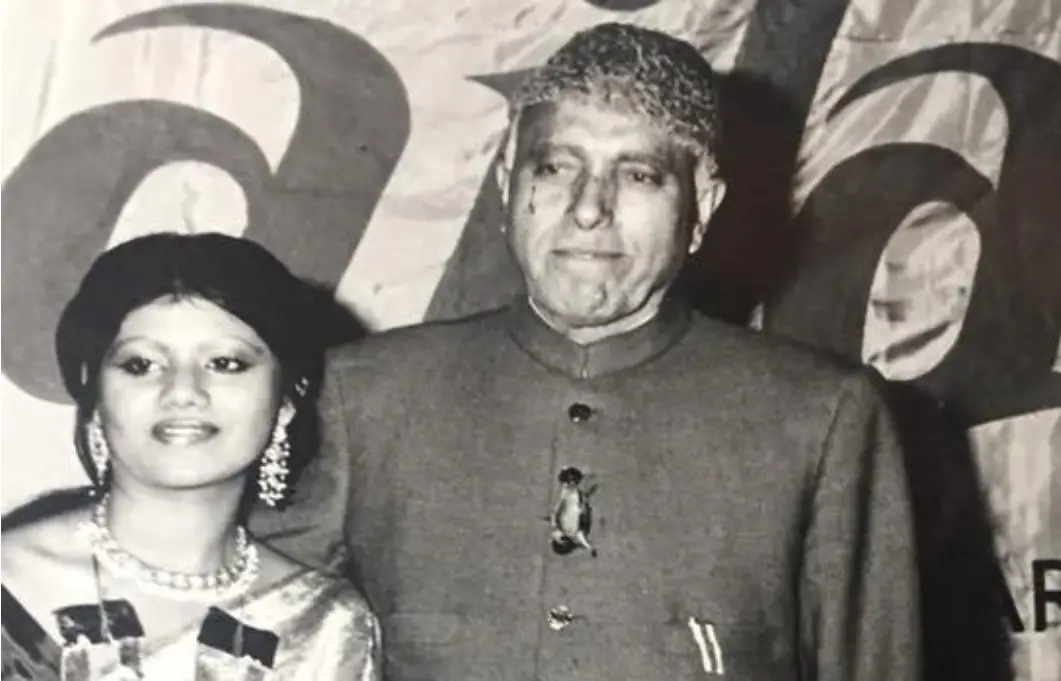
Anecdotes from the time persist. When Bangladesh’s founding leader, Sheikh Mujibur Rahman, was flown from London to Dhaka via Delhi after his release from Pakistani custody, Prime Minister Indira Gandhi invited Kashmiri MP Shameem Ahmad Shameem to the rare and exclusive airport interaction, reportedly because of what Shameem had said in the Lok Sabha earlier that day: “You are being rightly praised for changing the course of history of our subcontinent. I believe more importantly, you will be remembered for changing the geography of the subcontinent.”
There are smaller, almost surreal imprints of that history. Zonimanz, a remote village on the banks of Wular Lake in Bandipora, was ravaged by a devastating fire on the very night Bangladesh came into being. When authorities resettled its residents, the new settlement was named Bangladesh, a name that endures in official revenue records to this day. The road built to connect the village remains submerged under Wular’s waters for much of the year, as if history itself refuses to fully surface.
As for the origins of the so-called Bangladeshi maal, a more plausible explanation lies not in Bangladesh but in post-war relief flows. As writer Avtar Mota has noted, in the aftermath of the liberation war, large consignments of used clothing, collected through donations in Europe and the United States and routed via the International Red Cross, found their way into subcontinental markets. Diverted by traders and middlemen, these garments flooded Kashmir’s bazaars. Manchester tweed replaced local pattu, and cartons of socks, coats, shoes, and winter wear arrived in abundance. Street vendors animated Srinagar’s footpaths with their calls: “Le ja, le ja, angrez ne bheja” (take it, take it, the English have sent it).
Songs and Apples
In April 1976, Bangladesh’s most celebrated vocalist, Runa Laila, travelled to Srinagar as part of a cultural exchange between Delhi and Dhaka. She met then Chief Minister Sheikh Mohammad Abdullah, visited Pahalgam, and performed at Tagore Hall, rendering the popular Kashmiri song Katyu Chu Ukhh Nund Bane-Walo Ma Shok Myane. The visit marked an early, symbolic bridge, one that a more substantial economic relationship would later build upon.
By the late 1980s, Bangladeshi traders had started sourcing Kashmiri apples through Delhi’s Azadpur Mandi. With the subsequent expansion of Kashmir’s own mandi network, their presence shifted closer to the source. Today, each autumn, Bangladeshi buyers arrive in significant numbers in Sopore, home to one of the largest fresh fruit markets outside Azadpur.
“Bangladesh primarily imports the American Treal variety of apples from Kashmir,” said Mudasir Ahmad, an executive at the Sopore mandi. “Every year, more than 20 Bangladeshi traders camp here, procure the fruit, and market it back home. The major constraint is the Dhaka government’s 100 per cent duty, which makes the apples expensive by the time they reach consumers.”
Nearly Rs 500 to Rs 600 crore worth of apples are exported to Bangladesh each season, and traders believe any easing of tariff barriers could significantly expand the trade within a short span.
Rooted in History
This commercial intimacy, it turns out, has very old roots. Distance notwithstanding, Kashmir and Bengal were never entirely disconnected. Kashmiri traders, particularly those dealing in handicrafts, gravitated toward the more prosperous milieu of West Bengal, where an established urban elite offered a ready market. East Bengal, more distant and less integrated into colonial economic circuits until the early twentieth century, remained relatively peripheral to their networks, with one remarkable exception.
A Kashmiri family chose East Bengal as its base and went on to play a consequential role in the region’s economic and political life. Their trajectory, from migration and mercantile activity to wealth and authority, forms the founding story of the Nawab family of Dhaka.
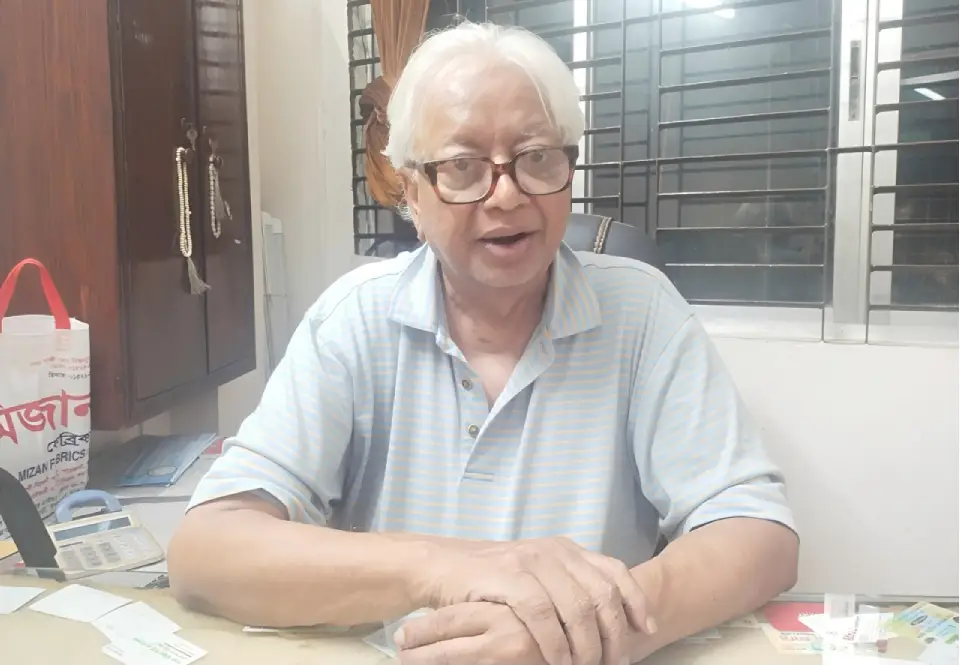
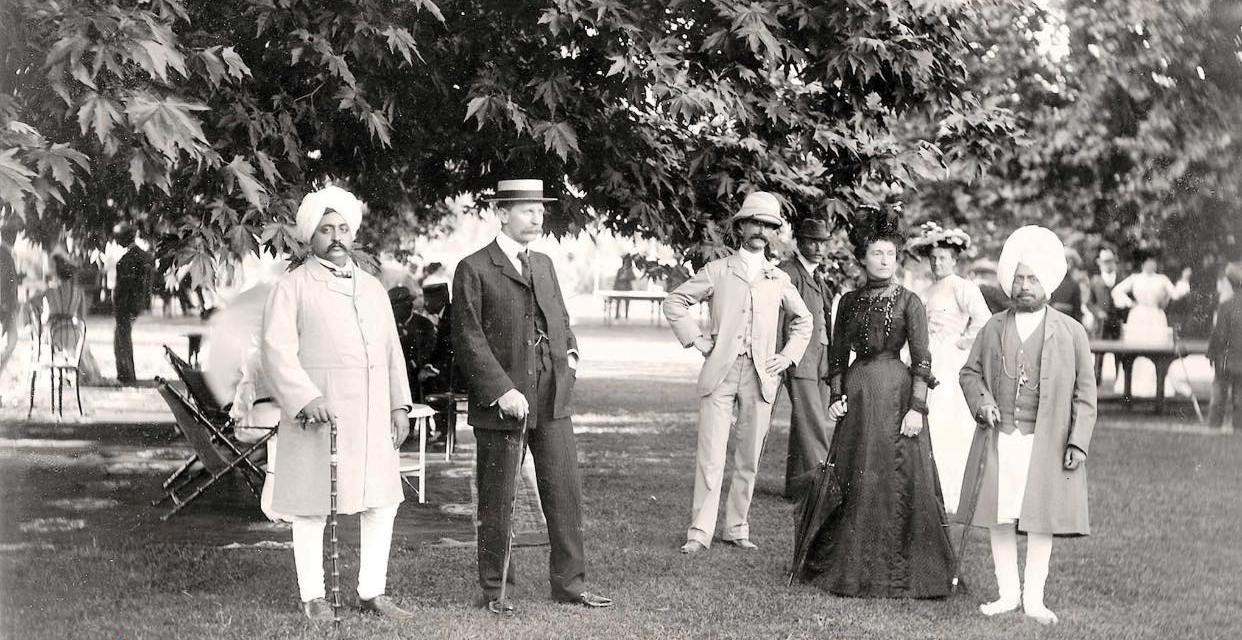
“Three brothers from Kashmir came to Bengal with Kashmiri carpets and sold them to well-off Hindus, mostly high-class Brahmins, and that was the beginning,” said engineer-turned-linguist Iftekhar Hassan, an eighth-generation descendant of the family, speaking from Nawabari, the erstwhile centre of the Nawabs (Khawajas) of Dhaka. He now lives in America with almost 190 cousins. The migration of three brothers is said to have taken place somewhere in 1730. “One of the brothers settled in Sylhet. Another was very religious and went to Madina. And one of them settled in Begum Bazar locality.”
Dealing in gold dust, hides, salt, and spices, the family founder, Khwaja Hafizullah, built substantial wealth and invested in land under the Permanent Settlement. His nephew Khwaja Alimullah consolidated and expanded these holdings into one of the largest zamindaris in eastern Bengal, institutionalising the estate through a waqf to prevent fragmentation. His son, Khwaja Abdul Ghani (1813–1896), transformed it into a dominant economic and social force, earning the hereditary title of Nawab in 1875.
“He bought the Ahsan Palace, which the French had left behind, and hired a Japanese architect to rebuild this magnificent structure,” Iftekhar Hassan said, adding that Ghani had a vast harem that reportedly included a granddaughter of the Turkish Sultan, Suleiman the Magnificent. “It was at its front gate that seven Portuguese musicians would play music in the mornings.”
It was Khwaja Abdul Ghani who contributed Rs 20,000 toward the repair of the Jamia Masjid Srinagar at a time when the mosque required substantial funds for restoration. A dominant figure in Dhaka’s civic and economic life, he was known for extensive philanthropy, supporting public welfare initiatives and religious reconstruction projects across South Asia and beyond.
Under his son Khwaja Ahsanullah (1846–1901), the estate adapted to new tenancy laws while safeguarding its holdings. The British conferred on him the title of Nawab Bahadur in 1892 and made him a Member of the Governor General’s Legislative Council. By the late nineteenth century, Ahsan Manzil had become the centre of Muslim political activity in eastern Bengal.
The transition to overt political power peaked under Khwaja Salimullah (1871–1915), and also marked the beginning of the decline. When Muslims sought a university for Dhaka, it was opposed by West Bengal, fearing the fate of Calcutta University. The resulting tension led to demands for formal partition, and in 1905, with a Salimullah-led campaign, the separation took place. Dhaka became the capital of what would eventually become Bangladesh, while Assam was carved separately. Salimullah hosted undivided India’s Muslim elite at Ahsan Manzil and announced the formation of the Muslim League, a move that would eventually lay the foundation for Partition itself.
The British undid the Bengal partition in 1911, triggering serious backlash. The region became East Pakistan in 1947 and emerged as independent Bangladesh after a sustained political and cultural struggle in 1971.
Mounting debts had already placed the Nawab estate under the Court of Wards in 1907, and the abolition of the zamindari system in 1952 formally ended it. “The second Prime Minister of Pakistan, Khwaja Nazimuddin, was my uncle, and he rationalised Muslim estates in East Pakistan, but not in West Pakistan, as a result of which we lost everything,” Iftekhar Hassan said. “The Pakistanis, later on, treated East Pakistanis very harshly, and that, in part, was connected to decisions within our own family.”
A Historic Exposé
While the Nawabs anchored one end of this history, Calcutta, the British Indian capital from 1773 to 1911, formed the administrative and intellectual hub through which much of Kashmir’s colonial story was also written. It was here that the Treaty of Amritsar was decided upon, and here that much of the archival record of that period remains.
An unusual episode during the tenure of Lord Lansdowne (1888–1894) briefly shook the colonial establishment. A reporter from Amrita Bazar Patrika reportedly reconstructed a torn document retrieved from a government dump, revealing plans to curtail the authority of Maharaja Pratap Singh and bring Kashmir under tighter British control. Though it did not alter imperial policy, the exposé prompted the Maharaja to appoint representatives in Calcutta and London to defend his position, and produced a lasting legislative consequence: the Indian Official Secrets Act of 1889.
As Calcutta drew hundreds of Kashmiris who built varied livelihoods, as Pandit clerks, Muslim shawl merchants, and established traders, many also absorbed the currents of the emerging nationalist movement. Among them were two Wani brothers from Batamaloo, Mohammad Abdullah and Abdul Gaffar, who dealt in Pashmina and Shahtoos shawls and, at their peak, owned three buildings housing nearly 500 shops.
“By the 1920s, at the height of the Quit India Movement, they were politically stirred by developments around them,” said Tariq Hameed Karra, their fourth-generation descendant, now heading Congress in Jammu and Kashmir. “They sold their businesses and returned to Kashmir to initiate a similar movement, while ensuring their sons completed their education at Aligarh Muslim University.”
Back in Srinagar, they aligned with Molvi Yousuf Shah and Amla Munshi, eventually helping position Sheikh Mohammad Abdullah as the central face of the movement. Abdul Gaffar’s son, Ghulam Mohammad Sadiq, rose to become the party’s vice president and later Chief Minister; his sister Zainab Begum served as a minister. Mohammad Abdullah’s son, Ghulam Mohiuddin Karra, also emerged as an influential force within the National Conference before eventually parting ways with Sheikh Abdullah.
Ancient Contacts
Contacts between Kashmir and Bengal can be traced back to early historical periods, well before the medieval age. Kashmir Chronicle Rajatarangini records the expansive campaigns of Lalitaditya Muktapida in the eighth century, describing expeditions across the Gangetic plains to regions such as Kanauj, Magadha, Kalinga, and Gauḍa (Bengal). These accounts are striking not only for their geographic reach but also for the suggestion that centres of learning, like Gauḍa, were among the targets, underscoring their intellectual and political significance. The narrative also preserves a dramatic episode in which a king of Gauḍa, possibly visiting or held at a Kashmiri sacred site, was killed on Lalitaditya’s orders, an act criticised by Kalhaṇa, who instead praises the loyalty of the Bengali retainers who journeyed to Kashmir to avenge their ruler.
Alongside these political and cultural contacts, Kashmir and Bengal were linked through a broader intellectual and religious continuum shaped by Tantra. Kashmir Shaivism, particularly the Trika system articulated by figures like Abhinavagupta, developed a highly refined non-dual philosophical framework centred on Shiva-consciousness. In Bengal, parallel developments within Shakta traditions emphasised Shakti, or divine energy, while retaining similar metaphysical structures.
During the period of the Pala Empire, the movement of texts, scholars, and ritual practices helped sustain these connections. The result was not a direct lineage but a shared intellectual milieu, where ideas evolved regionally, systematised in Kashmir and more ritually expressed in Bengal, yet remained conceptually aligned.
Renewed Links
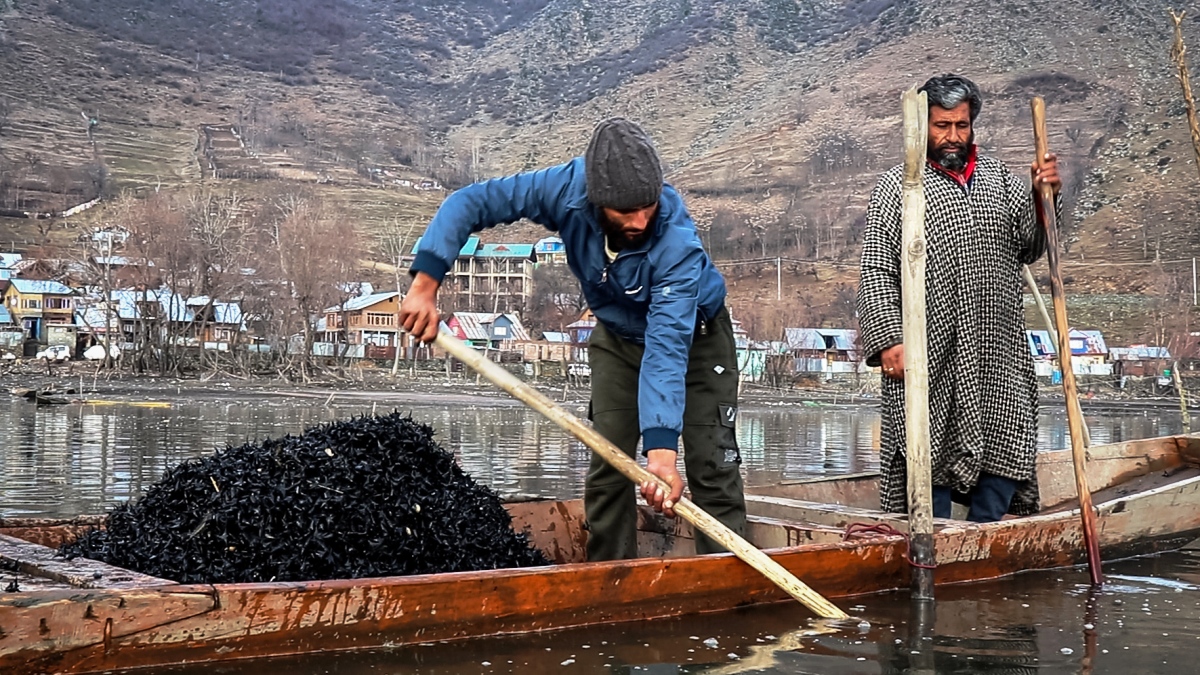
Beyond historical threads, people-to-people contacts between Kashmir and Bangladesh are finding both formal and informal pathways in the present. Bangladesh today accounts for the largest share of foreign tourists to India, around 22 per cent, and recent efforts have sought to channel a portion of this outbound travel toward Kashmir. In April 2018, a delegation of 16 Bangladeshi tour operators visited Srinagar.
“Like Kashmir, Bangladesh is also a victim of misconceived perceptions,” said Rezaul Ekram, President of Bangladesh Inbound Tour Operators Association, at a press conference in Srinagar. “The outside world sees Bangladesh as a poor country, but the fact is that our middle class are proving to be frequent global travellers. For the last several years, Bangladeshi tourists were the highest spenders in Singapore.”
That same year, Bangladesh overtook the United States as the largest source of inbound tourists to India, sending nearly 1.7 million visitors, a position it continues to hold. Tourist inflows to Kashmir saw a gradual uptick thereafter, though 2019 marked a disruption following the reorganisation of Jammu and Kashmir. Travel resumed in subsequent years, even as a tragic houseboat fire in 2023, which claimed the lives of three Bangladeshi tourists, cast a temporary shadow. Interest, however, endures: visitors continue to speak positively about Kashmir’s landscape and hospitality.
“I spent a week in Kashmir in 2024, visiting Pahalgam, Dal Lake, and Gulmarg,” said the Deputy Librarian at Dhaka University. “I had hoped to return, but what happened in Pahalgam last year has left me too unsettled to consider going back.”
Parallel to tourism, economic interest is also resurfacing. Traders are increasingly viewing Dhaka as a promising market for Kashmiri handicrafts and cuisine, with some exploring reopening retail links in the city. At a social level, connections are becoming more visible and personal; academics and professionals note a small but growing number of cross-regional marriages and exchanges.
Taken together, these stories point to something deeper than coincidence. Kashmiri medical students now speak Bangla fluently and debate textbook editions with ease. A trader from the Valley once became a familiar face on Dhaka billboards, while every autumn Bangladeshi apple merchants camp in Sopore to procure fruit. There is also the legacy of a Kashmiri-origin family in Dhaka whose drawing rooms hosted political gatherings that shaped history.
Individually, these are small threads, but together they form a durable connection, suggesting that despite the distance, Kashmir and Bangladesh have remained quietly woven into each other’s lives across centuries and crises.