Kashmir’s tourism has shifted from elite, culture-seeking foreign travellers toward value-conscious domestic crowds, prompting debate over whether European-era infrastructure still suits today’s changed visitor profile, reports Babra Wani
Every year, Anand planned to visit Pahalgam. This year, he thought he would finally make it. On June 25, the 35-year-old Mumbaikar reached Pahalgam but got stuck in traffic for six hours.
“I imagine breath-taking landscapes and peaceful moments. Instead, my day was consumed by traffic,” he regretted. “Six hours passed before we reached Aru Valley. I was too exhausted for Betaab Valley or Chandanwari. All I wanted was to return to the hotel.” Even Srinagar was a mess. Initially, this was never the case, he remembers.
Anand has visited Kashmir every two years for a decade. Pahalgam is the one place he still has not managed to see properly.
Kashmir is prone to long traffic jams, and Srinagar is quite notorious for them, especially the Boulevard-Dal Lake belt, the main hub of tourism.
“I was taking my mother to the hospital and got stuck near Dalgate,” Srinagar resident Adil said. “I asked around, it was tourist vehicles. After last year’s April attack, this was the first real surge in arrivals.” It took him two hours to reach the hospital.
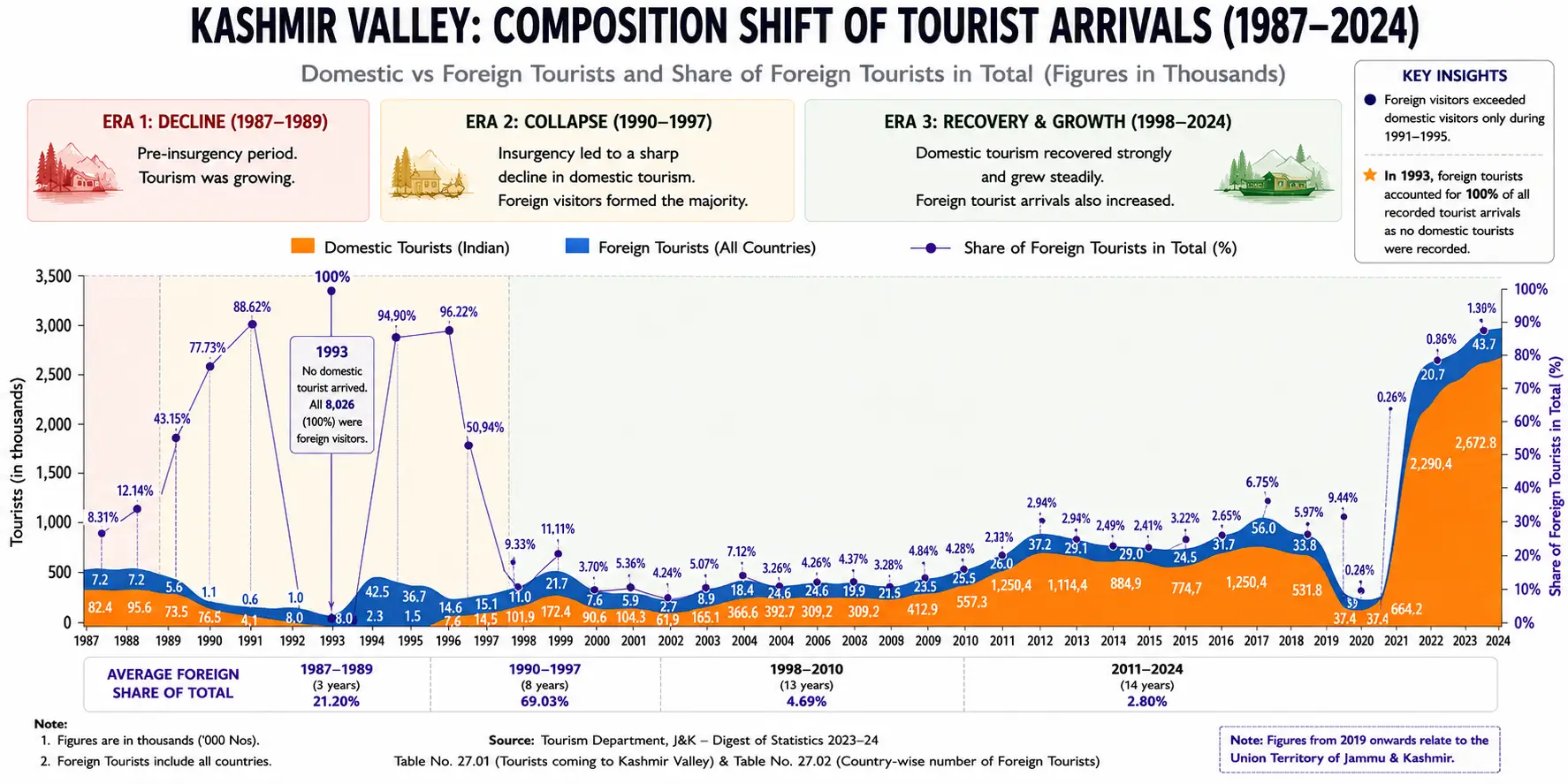
As tourist numbers surge, the industry is changing in ways stakeholders claim are unlike anything before. Kashmir, they agree, is no longer hosting the traveller it hosted before the militancy broke out in 1990.
New Profile
Dawood has run his family’s travel business for 15 years, part of a company nearly two decades old. He has watched visitor profiles shift firsthand. Kashmir once drew affluent domestic tourists, foreign travellers and families seeking quiet holidays. Now the base is broader and far more mixed.
“High-end travellers and foreign tourists were once more common. The Pahalgam attack shook their confidence,” he said. “Well-known and affluent families now hesitate over security.”
The situation completely changed after the militancy broke out in Kashmir. As the violence-torn society picked up the threads, it was a new world around. “Nearly every international traveller asks about safety before booking: It has become the first question foreign tourists ask.”
Kashmir’s tourism, Dawood noted, has rarely had an unbroken run.
Repeated Setbacks
The last best tourist year was 1989, when 5.57 lakh tourists visited Kashmir, 12.14 per cent of them being foreigners. Then the militancy devoured the sector, and most of the city hotels got converted into garrisons. In 1993, not a single domestic tourist came, but a trickle of foreigners continued. The al-Faran hostage crisis of 1995 stopped that trickle also.
It was only after a civilian government took over in 1996 that efforts were made to revive the sector. The process was slow, gradual, but effective. Only in 1998, Kashmir could record the arrival of one lakh tourists, of whom 10 per cent were foreigners. The best tourist year was 2011, when 13 lakh arrivals were recorded, with foreigners making up only 2.4 per cent.
Arrivals continued amid crises. In 2010, the mass unrest destroyed a good tourist year. The floods of 2014 added to the crisis, and in 2016, unrest had a serious impact on the situation.
“The Article 370’s abrogation in 2019, followed by the pandemic, disrupted the industry at different points,” Dawood said. “Recovery began only after the pandemic. For three or four years, arrivals held steady. Then the 2025 Pahalgam massacre unsettled things again.”
Even so, tourism has become more inclusive, he said. Visitors now come from nearly every state across India, not just a handful of traditional feeder regions like Gujarat, West Bengal and Maharashtra. Overseas arrivals are rising too, especially the Kashmiri diaspora in the UAE, returning to show younger generations their ancestral home. Malaysia, Indonesia and Singapore have grown steadily as well, driven by established Kashmiri communities and cultural ties there.
A few tourists from France, Poland and Brazil visited during the post-pandemic revival, he said, but international arrivals stay modest next to the domestic flood.
Self-Drive Surge
The biggest change, according to Dawood, is travellers arriving in their own cars. Better roads have drawn self-drive holidaymakers from Punjab, Haryana and Delhi. Nearly a fifth to a quarter of tourists now travel by private vehicle, a share he expects to keep growing.
Kashmir is often called a budget destination. Dawood disagrees. He said it is costlier than Shimla or Manali, especially in peak season. Hotel rates and transport charges spike with demand, strictly following market forces.
Dawood said a section of visitors is missing Kashmir’s authentic side, their itineraries swallowed by traffic and overcrowded spots. “Such experiences leave a poor impression, especially since many see Kashmir as a once-in-a-lifetime destination,” he said.
Infrastructure Gaps
Jammu and Kashmir is not equipped for the volume, Dawood said. It can serve domestic tourism but falls short of international standards. He pointed to poor roads, constant Boulevard Road congestion, weak public facilities and dirty washrooms at major sites as proof of basic amenities, which need urgent work.
Kashmir’s tourism future, Dawood said, depends on more than peace. It needs infrastructure investment, regulated services, better public facilities and real promotion. Without that, the region risks losing the very experience that draws people here.
This shift did not happen overnight, experts say. It’s been gradual — shaped by changing travel habits and expectations.
Historic Roots
M Saleem Beg, former Director General of Tourism in Jammu and Kashmir, said Kashmir’s visitor profile has always followed regional traditions. Tourists from Gujarat and Mumbai have historically formed one of the largest groups, followed by travellers from West Bengal, Delhi, Dubai and Punjab. In summer, Punjab and Haryana have traditionally dominated.
These patterns run deep, he said. Before Punjab’s reorganisation, wealthy undivided-Punjab families summered in the hills, first in Himachal, then in Kashmir. Portraits of Muslim nobles still hang in places like Dalhousie.
Two things drew wealthy North Indians to Kashmir, Beg said. “First, escaping summer heat. Second, marriage traditions. For any rich man in North India, Pashmina in the trousseau was essential.”
Four decades ago, he said, the costliest item in a wedding trousseau was not the bridal dress; it was Pashmina. Expensive bridal wear came later.
This link between Kashmir’s crafts and its tourism deserves more recognition, Beg said, especially among younger generations, whose buying habits themselves drove visits.
The Sarabhai family of Ahmedabad is the perfect instance in Beg’s understanding. Recalling a conversation with dancer and cultural activist Mallika Sarabhai, he said, “For nearly a century, every Sarabhai marriage was followed by a honeymoon in Kashmir. They could go anywhere. Kashmir was a necessity.”
The family always stayed with a Kashmiri host, GM Bhat, he added. Mallika remembered her mother’s stories of earlier generations doing the same. “It shows the deep connection many prominent Indian families once had with Kashmir,” Beg said.
Shifting Duration
Kashmir once drew far fewer tourists, Beg recalled. “There were only two to three lakh tourists at one point. 1988 was our best year, with eight lakh tourists, and also our highest foreign-tourist count.”
Arrivals today outnumber those of the pre-militancy years, he said, but the nature of tourism has changed completely.
“Earlier, visitors stayed eight to ten days. Today, most leave in three or four.” That drop in stay length, he said, has hurt tourism’s overall quality and economic value.
Shopping, once one of Kashmir’s biggest draws, has also changed, Beg said. “Earlier, Kashmir had exclusivity; visitors trusted that the handicrafts were authentic.”
That trust has weakened, he said. Many tourists now doubt whether what they buy is genuinely Kashmiri, a problem of both authenticity and quality. He welcomed Geographical Indication tagging for traditional crafts but said far more is needed to rebuild confidence. “That certainty has diminished considerably,” he said.
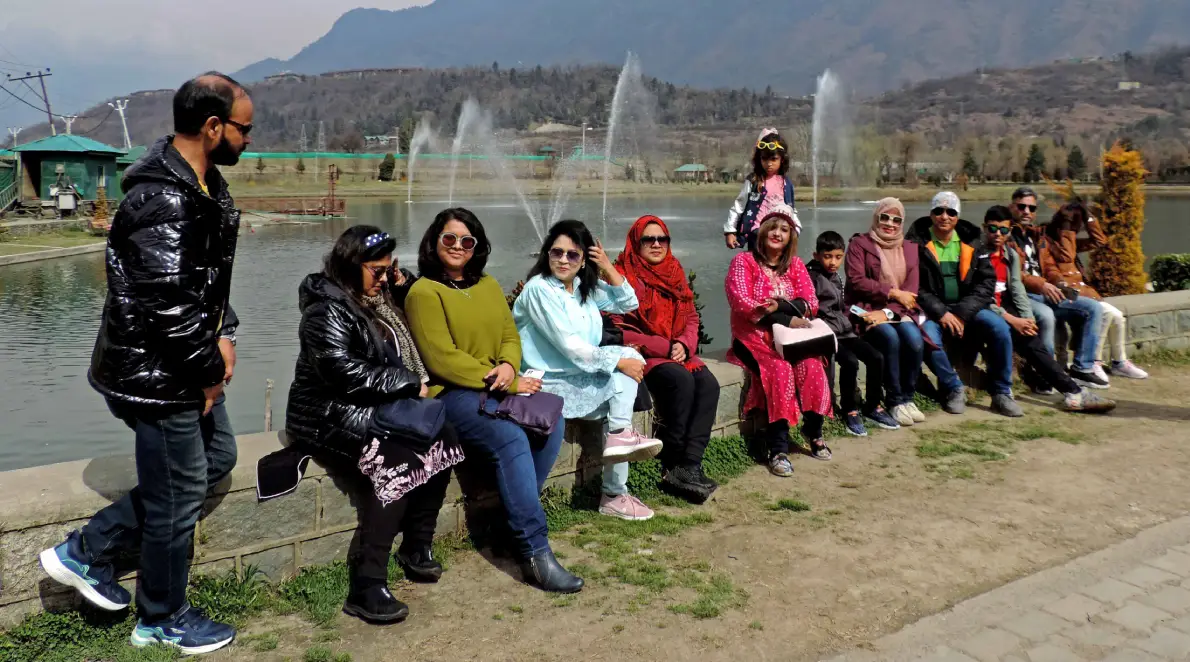
Transport Upgrade
Tourist numbers have grown, Beg said, but business quality has not kept pace. “Development should focus not just on more arrivals, but on a better visitor experience.”
After climate and scenery, two things define a destination, he said: transport and accommodation. Both have improved significantly.
Two decades ago, quality tourist vehicles were hard to arrange, he recalled. Private investment has since transformed transport; many operators now run premium vehicles, including Mercedes coaches.
Citing transport authorities, Beg said roughly 2,000 to 3,000 new vehicles joined Kashmir’s tourism fleet between 2022 and 2024, a substantial investment for a small region.
Even so, Beg warned, Kashmir is increasingly feeling the downsides of mass tourism.
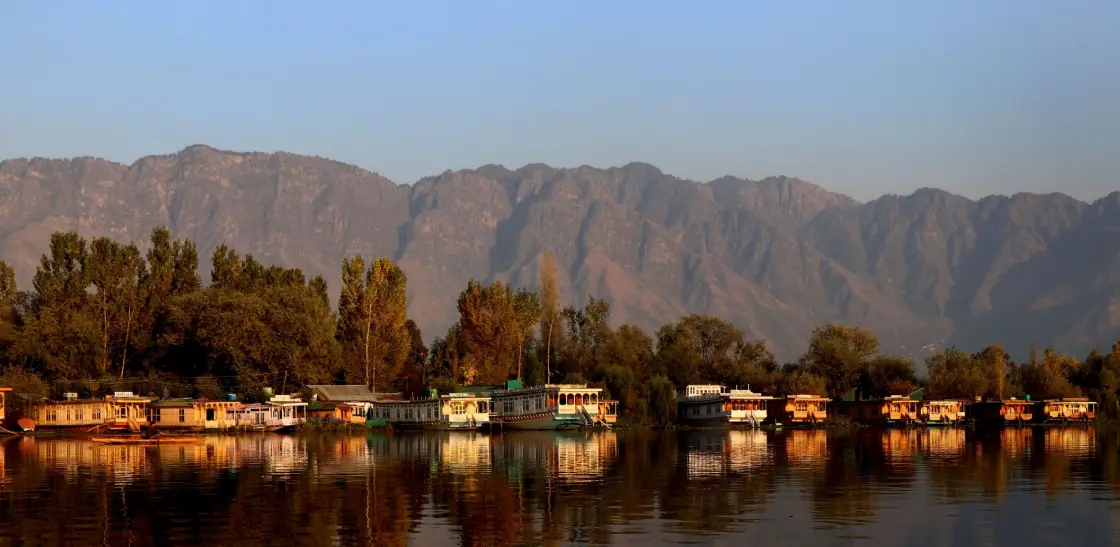
Mass Tourism
Overcrowding hurts visitors too, he said. “They do not feel comfortable rushing here. We simply cannot absorb it.”
Beg rejected the idea that opening more destinations alone solves overcrowding. “Kashmir is a small place. There are no hidden valleys to divert tourists to.” Endless growth in numbers, he said, will damage its fragile ecology and culture.
Instead, he proposed marking specific zones for large-scale tourism while protecting ecologically sensitive areas from uncontrolled crowds. “This would attract higher-quality visitors and encourage better infrastructure investment,” he said. Better accommodation and transport would lift the whole sector.
Beg also criticised how tourism stays concentrated in a handful of spots, still following the old resort-based model.
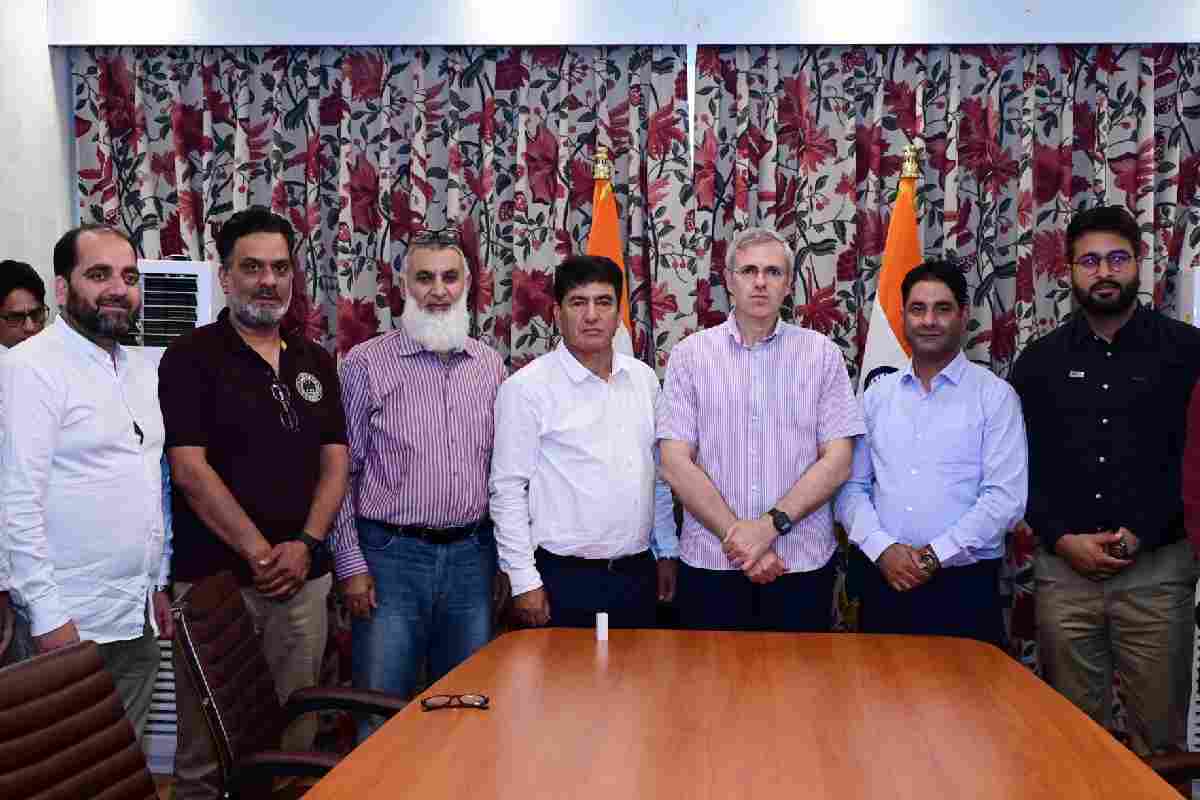
Cultural Tourists
Modern travellers want immersive experiences over standard sightseeing, Beg said. “Many want to stay in villages, see local lifestyles, eat traditional food, understand local schooling, and experience everyday Kashmiri life.” He calls this experiential or rural tourism.
Kashmir has made little progress here, he said. Tourism stays concentrated around Dal Lake, Gulmarg and Pahalgam. Tourists themselves, he added, do not much care where they stay, as long as the experience and facilities are good.
Foreign tourists differ fundamentally. “They are primarily cultural tourists. Scenery is not their main motivation, culture is,” Beg said. “Culture keeps people longer. Our cuisine, monuments, lifestyles and heritage offer that, as long as accommodation and basic services hold up.”
But quality depends on getting the basics right, he stressed. Luxury alone is not enough. “Whether a room costs 30 euros or 300 in Europe, minimum standards apply – clean rooms, fresh linen, hygienic bathrooms. And safe water.” Many Kashmiri establishments, he said, still fall short of these basics.
Echoing Dawood, Beg said Kashmir’s core appeal, culture, heritage, and landscape have not changed. But service standards must improve if it wants to compete globally.
Visitor categories differ sharply, he said. “Kashmir has always drawn cultural tourists from across the world. Domestic visitors from Punjab mostly come in summer to escape the heat.” He described many as bus tourists, arriving and leaving in groups, contributing little beyond seasonal spending. Similar patterns, he noted, are emerging across Europe, where summer-tourism destinations now face their own climate pressures.
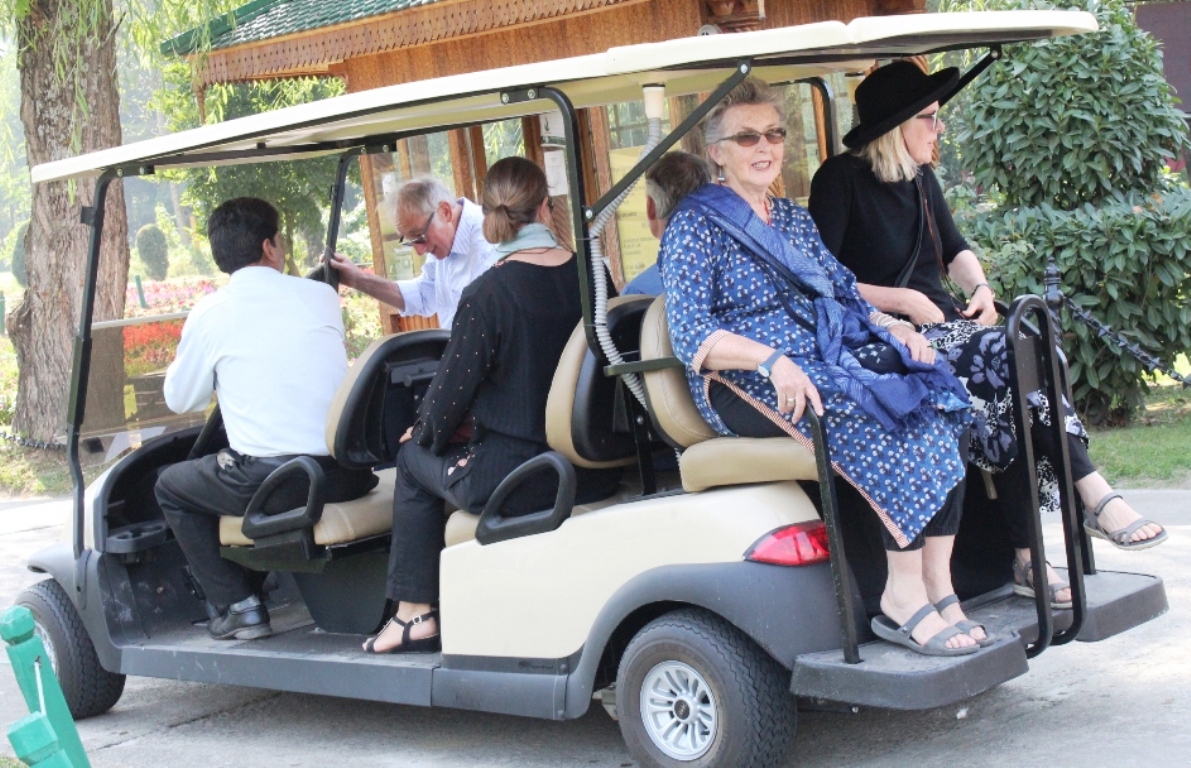
New Visitors
Mohsin Shakeel, of travel agency Rooh E Kashmir, said visitor profiles and spending have changed sharply since April 2025. Before that, he said, a large share of domestic tourists came from Kerala, Gujarat and other southern states. “They saw Kashmir as a premium destination and travelled for the experience, not just to check off sights.”
They engaged deeply with local hospitality, food, culture and daily life, he said, even asking how Kashmiris coped through hard times. They spent freely on local products, contributing significantly to the economy.
Now, most tourists come from Delhi, Haryana and Punjab, with some from Gujarat and Hyderabad. The premium clientele has thinned, he said. “Many current visitors have always dreamed of Kashmir but never thought they would manage it. Their goal is ticking off major attractions, not immersing in culture.”
Value Conscious
Today’s tourists are far more value-conscious, Mohsin said. “They want maximum value for every rupee on destinations, stays, and food. Earlier visitors paid for quality according to their budget. Now, many expect four-star comfort on modest spending.”
That creates unrealistic expectations, he said, making it hard for hotels and operators to satisfy guests who scrutinise every detail.
Foreign tourists still visit year-round, though numbers stay low, Mohsin said. Malaysians form the largest group, followed by Russians. The Malaysian numbers are not purely about religious affinity, he clarified. They are driven by B2B partnerships between overseas agencies and Kashmiri operators.
“Malaysian travellers visit India for its diverse cultures. Many agencies include Kashmir in the itinerary.” Russian and Israeli tourists also keep visiting, he added.
Snow Obsession
Domestic visitors want two things above all, Mohsin said: a Shikara ride with a houseboat stay, and, increasingly, the bigger draw, the Gulmarg Gondola, linked in most minds to snow.
Over the past six or seven months, he has noticed a growing belief that snow should be available year-round. Even in July and August, when there is naturally none, visitors still expect it, making the Gondola the trip’s central attraction.
Pony rides, horse riding and ATV rides draw far less interest than the Shikara and Gondola. “Tourists believe the Gondola is the best shot at seeing snow. It is the single most sought-after attraction,” he said.
Escaping Heat
The recent heatwave in the plains has become another major driver, Mohsin said. “Visitors are escaping 40-to-50-degree heat back home. Kashmir stays around 25 to 28 degrees. Many come more for the cool weather than for culture or heritage.”
Roughly 60 per cent of current tourists travel independently in their own vehicles, he estimated, rather than booking packages. Families simply load up and drive. Few now buy full holiday packages through agencies, he said.
Before April 2025, tourists readily paid for quality accommodation, transport and extras, he recalled. “Many spent beyond their budget for essentials — pre-booked union taxis in winter, advance Gondola tickets. Now people are far more reluctant to exceed their planned spend.”
He also noted a seasonal pattern: in winter, 80 to 90 per cent of domestic tourists came from the plains alone. Over the past two months, northern states have dominated.
Cabin Talk
The shift shows up even in taxi conversations, said Ahmad, a driver from Anantnag with nearly three decades on the job. He recently upgraded and remodelled his car.
“I added seat screens, dining trays, comfortable seating,” he said. “I used to drive a Sumo with none of this. Now tourists even want a charging point.”
Last month, he drove five young women from Mumbai, all around 22, from wealthy families. “They talked differently. They did not rely on me to show them places; they had done their research and covered all the major sites in five days. That amazed me,” said Ahmad. “Earlier, visitors asked me where to go. Now they tell me. I had never seen such young tourists, and an all-girls group, it is an incredible shift.”
Unlike the last century’s tourists, the 2026 arrivals are hardly guide-linked or parent-inspired. They are browsing around and following the YouTube wanderers to get the best of Kashmir. “They are keen to have selfies for their albums rather than peace for their minds,” one driver, who frequents Srinagar-Gulmarg almost every second day, said. “It seems as if they need to mark their attendance in Lal Chowk by having an essential selfie. In the evenings, Lal Chowk is as crowded as Nehru Park.” Kashmir’s houseboats remain one of its biggest draws for tourists worldwide.
Floating Heritage
Younis Ratta’s family has owned houseboats on Dal Lake for nearly half a century. Kashmir’s tourism industry, he said, was built by houseboat owners long before hotels and agencies existed. His family’s involvement dates back 55 years, to his great-grandfather, Abdul Rehman Ratta.
“Houseboat owners were tourism’s first pillar. People talk about hotels and agents now, but we brought the first tourists,” he said.
In the early decades, almost every visitor was foreign, Ratta said. Domestic tourism barely existed. “Foreigners came for trekking and mountaineering, not sightseeing, most simply to know the region as the Himalayas.”
Postal Bookings
“My great-grandfather travelled to Delhi to persuade foreigners to visit. He prepared trekking packages, took advance payments, and told the family by phone when guests were arriving,” Ratta recalled.
Bookings ran entirely through letters, he said, written requests, typed confirmations, everything dependent on the post.
Houseboats then were not fixed in place, Ratta explained. They moved across Dal Lake to match guest preferences. “If someone liked Char Chinar, Shalimar or the Dargah side, we would tow the boat there.” Smaller donga boats served as floating kitchens; his family’s first boat was a donga, still kept as a keepsake.
Houseboats were family-run, he said; men handled guests, women cooked. “Only the wealthiest owners had servants. A servant earned Rs 700 to 1,000 a month in the 1980s. A houseboat room costs Rs 350 to 500.”
Even a single couple would book an entire houseboat back then, he said. “Guests stayed days before trekking, leaving luggage behind while travelling with guides, cooks, tents and supplies to Sonamarg and Naranag. The boat stayed reserved until they returned.”
Two Worlds
Domestic tourism gained ground in the 1990s, Ratta said, as Gulmarg, Pahalgam and Sonamarg overtook trekking in popularity. Foreign and domestic visitors still differ sharply, he believes.
“Foreign tourists are adventurous. They want to understand our culture. That is why they prefer houseboats. Hotels exist everywhere. Houseboats are unique to Kashmir.”
Many old houseboats once had libraries, he recalled; most are gone now, but some foreign guests still value them. “I recently hosted a group from America and Colombia. The first thing they asked about was the library. They read for nearly two hours.”
Domestic tourists generally want food, entertainment and comfort, he said. Foreigners look for peace and authentic culture. The mass tourists prefer the fashionable Dal lake butt the affluent and the foreigners prefer Nigeen, calm and quiet.
Rising Costs
Ratta has run the business since 2016, through the 2014 floods, the 2016 unrest, Article 370’s abrogation, COVID and the recent Pahalgam attack, each of which hit houseboat owners hard. “Unlike hotels with dozens of rooms, most houseboats have just two or three bedrooms. Renovation is financially tough,” he said. Only in the four years before the Pahalgam attack did operators finally have enough liquidity to renovate, buy vehicles and invest.
Expectations have changed dramatically, he said. Visitors once valued houseboats simply as heritage properties. Now they expect luxury beds, modern bathrooms and shower cabins comparable to those in five-star hotels, a technical challenge on a floating structure, where every addition must be weighed for balance.
Stays have shortened, too. “Earlier, visitors stayed fifteen or twenty days. Today, most packages run six or seven nights.” Instead of a full holiday on the boat, visitors now split time across Srinagar, Gulmarg, Pahalgam and Sonamarg.
Ratta blames rising costs partly for the shorter stays. Tourists now tell him Dubai is cheaper. Mumbai–Srinagar return airfares once hit Rs 65,000, he said, while Dubai–Srinagar flights ran near Rs 22,000.