SRINAGAR: The self-enumeration phase of Census 2027 will begin on Monday in the snow-bound areas of Jammu and Kashmir and across the Union Territory of Ladakh, officials said on Sunday.
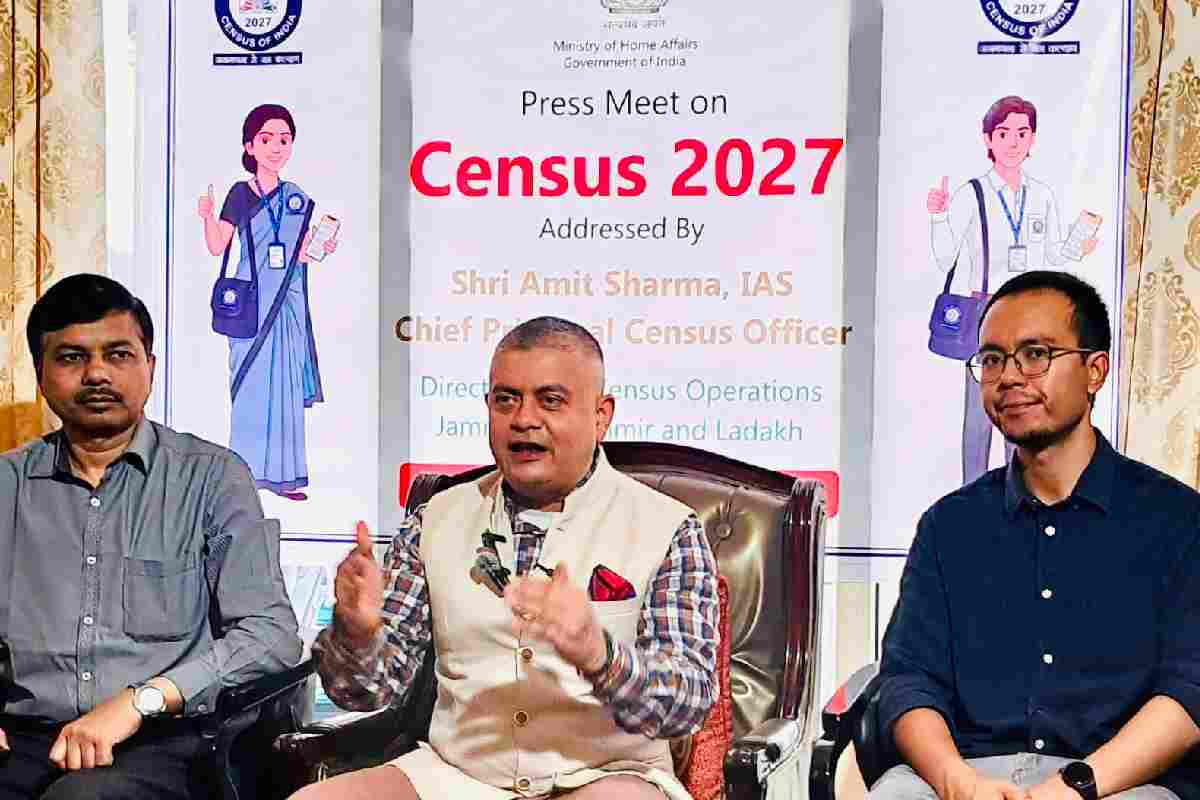
Addressing a press conference in Leh, Director Census Operations for Jammu and Kashmir and Ladakh, Amit Sharma, said self-enumeration in the snow-bound areas of J&K will remain open from August 17 to August 31.
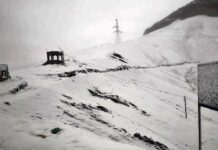
“Out of 20 districts of Jammu and Kashmir, 16 have been partially declared as snow-bound areas. We will begin self-enumeration in these areas from August 17 to August 31,” Sharma said.
He said the entire Ladakh region has been declared snow-bound and the self-enumeration exercise will accordingly cover the whole UT.
Clarifying the geo-fencing mechanism, Sharma said residents must be physically present in the designated snow-bound areas to submit their details through the self-enumeration portal.
“If a resident of Gurez is currently living in Srinagar or Jammu, he cannot access the census website to submit details from these capitals. He has to be present in Gurez to file the information because the application for self-enumeration has geo-reference restrictions,” he said.
Sharma said enumerators and supervisors will subsequently visit households physically from September 1 to September 30 to record population details.
He added that population enumeration in the rest of the country, including the plains of Jammu and Kashmir, will be conducted later as per the national schedule in February 2027.
As per the details available with KNO, self-enumeration will be available to residents of 1,115 villages and three municipalities in the snow-bound non-synchronous areas of Jammu and Kashmir.
Doda has the highest number of such villages and municipalities at 305, followed by Kishtwar with 158, Baramulla 93, Ramban 88, Udhampur 79, Kulgam 66, Anantnag 55, Kupwara 49, Reasi 49, Kathua 48, Pulwama 32, Shopian 32, Bandipora 28, Poonch 24, Ganderbal seven and Budgam five.
The municipalities falling under the snow-bound non-synchronous areas are Uri, Gulmarg and Kishtwar. (KNO)