Kashmir’s drug crackdown shows impressive numbers, but lasting change demands community ownership and supply-chain reform.
The Narcotics Control Roadmap 2026-29 marks a serious escalation in Jammu and Kashmir’s fight against narcotics, and the figures justify the seriousness. NDPS cases have quadrupled, arrests have tripled, and property attachments have risen nearly nineteen-fold in a single year. The administration deserves credit for shifting from scattered seizures to network-centric disruption, for chasing financial trails across state borders, and for the political will to name and pursue high-value targets. That 404 government employees, including 223 policemen, were found complicit and many dismissed, shows an uncomfortable but necessary willingness toward self-scrutiny.
Yet numbers on a dashboard cannot, by themselves, cure an addiction crisis. Arrests remove individuals; they do not dismantle demand. Vehicle auctions and licence cancellations punish couriers; they do not touch the economics that make trafficking attractive in a valley where youth unemployment remains stubbornly high. Enforcement, however efficient, is reactive by design. It responds to what has already happened rather than preventing what is about to.
The roadmap quietly makes this case. Satellite imagery meant to guide the destruction of poppy and cannabis cultivation reportedly arrived only after ground teams had already destroyed the crops, an administrative delay that speaks to deeper coordination gaps in tracking supply at its source. If nearly 400 acres of illicit cultivation could be identified across six districts, the question is not merely how quickly it was destroyed this season, but why the land, the growers and the networks behind them are not being disrupted long before harvest.
The rehabilitation infrastructure, too, remains lopsided. Forty beds in Jammu and twenty in the worst-affected districts of Kashmir cannot meet a caseload that has expanded this fast. Treatment facilities exist in every district on paper, but paper facilities do not treat addiction; trained staff, sustained funding and stigma-free access do.
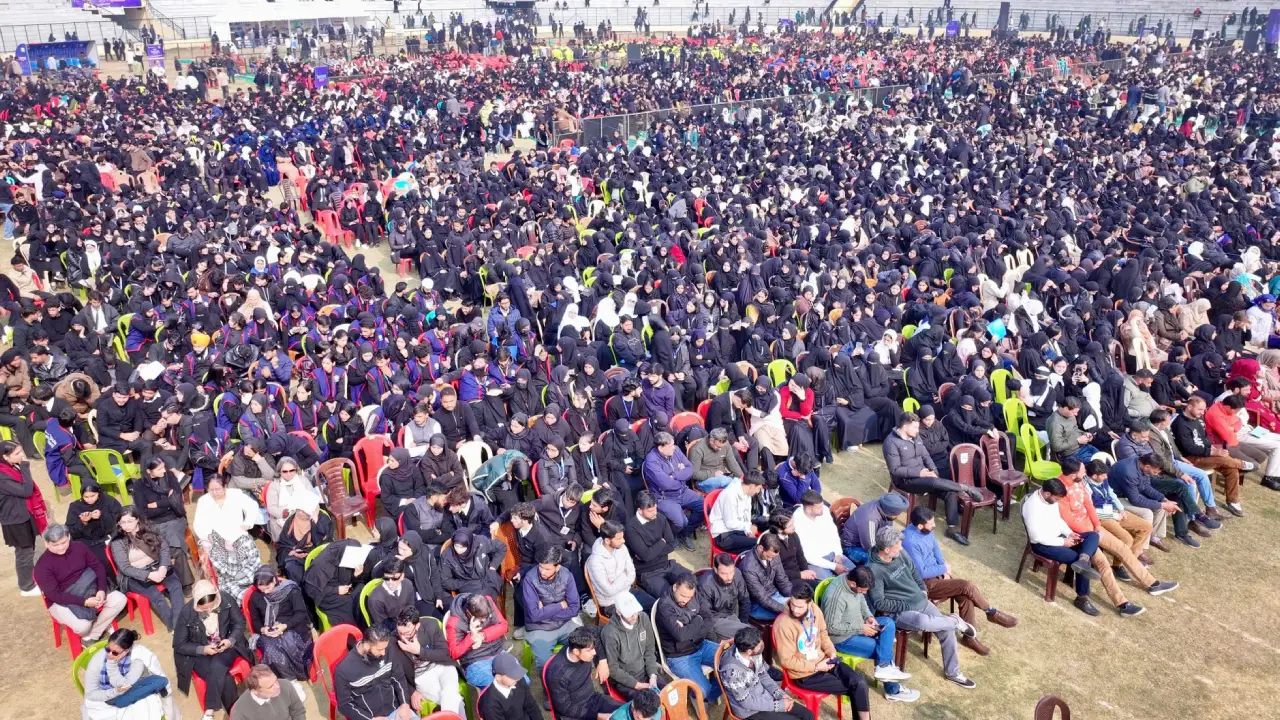
What is missing from the roadmap is not intent but proportion. Community engagement, 853 excise camps, thousands of school sessions, and thousands of mosque sermons are welcome, but it remains an adjunct to enforcement rather than its equal partner. Families, teachers, religious leaders and local bodies need to be structurally embedded in prevention and rehabilitation, not merely mobilised for awareness drives. Equally, precursor chemical controls covering just three of seven regulated substances suggest the supply chain is being managed only in part.
Jammu and Kashmir’s security establishment has shown it can enforce. The harder task now is building a demand-reduction and rehabilitation architecture as robust as its enforcement machinery, and treating the community not as an audience for sermons but as a genuine partner in recovery.