by Dr Iqra Shafi
Across Asia, Gen Z is reshaping political activism through digital mobilisation, issue-based movements and demands for accountability, opportunity, transparency and institutional reform
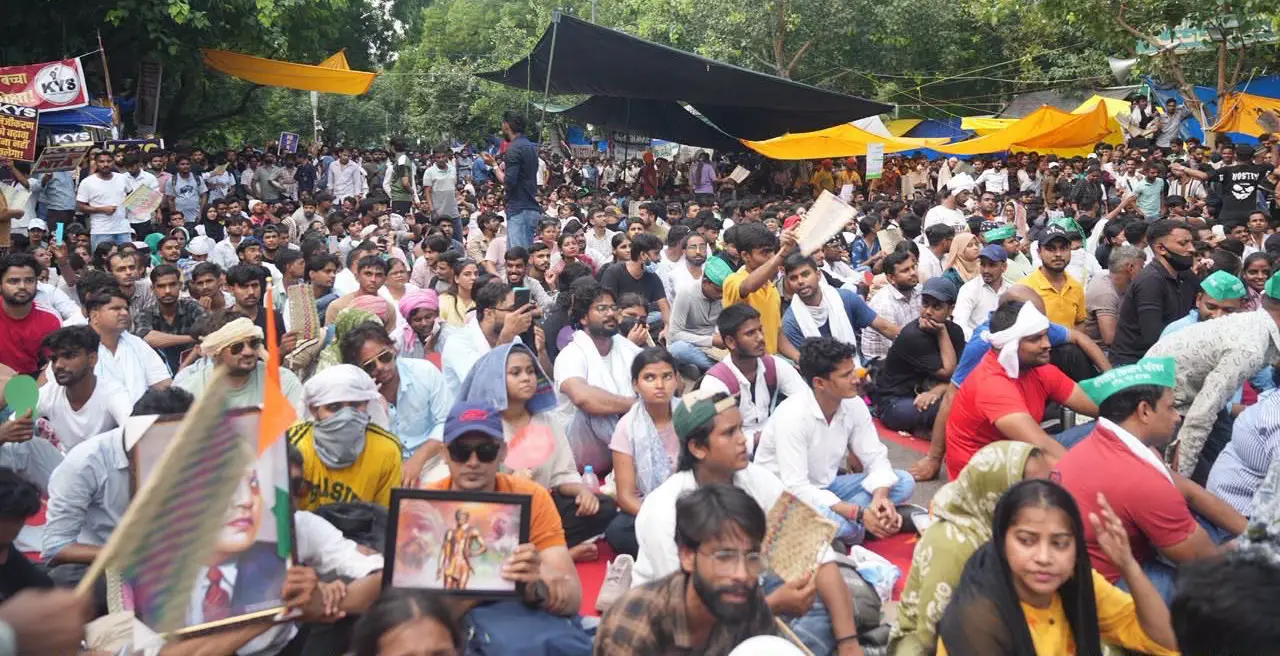
From the streets of New Delhi to Kathmandu and Jakarta, we are witnessing a striking pattern emerge. The faces leading contemporary protests are not seasoned activists or veteran politicians… they are students, first-time voters, young professionals and digital natives; they are Generation Z. Born in an era of smartphones in a context characterised by economic uncertainty, climate anxiety and political polarisation, Gen Z is increasingly becoming the defining force behind contemporary political movements across Asia.
The past two years have provided compelling evidence of this shift. In India, university students and young aspirants spearheaded protests following allegations of irregularities in the NEET Examination 2026, demanding transparency and accountability in one of the country’s most important competitive examinations. Pertinently, along similar lines, thousands of young Indians mobilised through social media to voice concerns over unemployment, delayed government recruitments, and the recurring cancellation of recruitment examinations due to paper leaks in several states.
In the same vein, student-led demonstrations in Nepal intensified in 2025 and 2026, calling for greater political accountability, institutional reforms and an end to what many perceived as an entrenched political establishment disconnected from younger citizens. Meanwhile, in Indonesia, students and youth organisations returned to the streets to oppose controversial revisions to electoral and military laws, arguing that these threatened democratic safeguards and echoed memories of authoritarian rule.
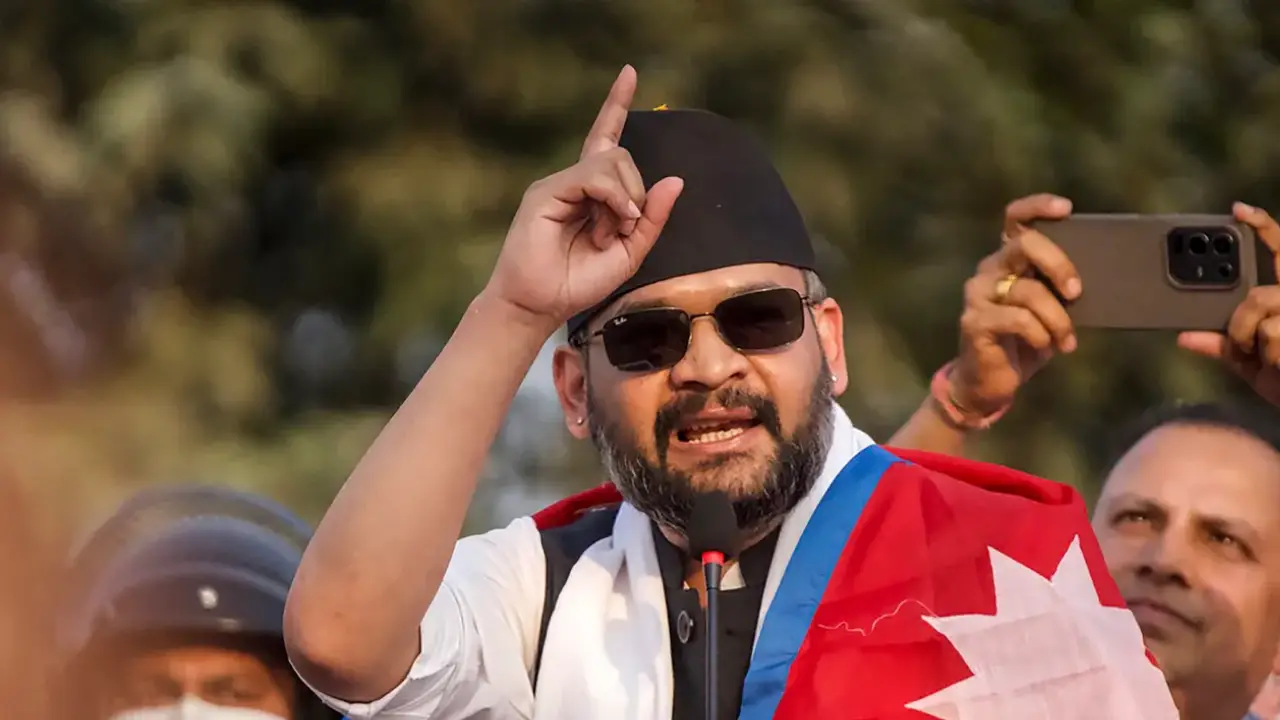
Taken together, these instances suggest that Gen Z is not merely reacting to isolated grievances. Rather, it is questioning the very manner in which power is exercised, decisions are made, and government unaccountability is left unattended.
Unlike previous generations, Gen Z has grown up with unprecedented access to information. News no longer flows through newspapers or television alone. Social media platforms have become spaces for political education, mobilisation, and real-time documentation. During the NEET controversy in India, hashtags demanding justice generated millions of interactions within days that compelled policymakers, courts, and mainstream media to respond. Similarly, videos of Indonesian student demonstrations and speeches by Nepali youth activists spread rapidly across platforms, enabling local protests to resonate with audiences far beyond national borders.
This digital fluency has fundamentally altered the extant mechanics of governance and tipped the dictum of political participation. Leadership has become decentralised. Contemporary movements often lack traditional hierarchy, which makes them resilient as well as unpredictable. Instead of waiting for established organisations to initiate change, young people increasingly create their own networks, campaigns, and narratives. However, this digital advantage comes with significant vulnerabilities.
The same platforms that facilitate democratic participation also have massive potential to amplify misinformation, emotional polarisation, and algorithm-driven outrage. Deepfakes, manipulated videos, and coordinated disinformation campaigns increasingly complicate genuine democratic discourse. Online activism can mobilise millions overnight, but sustaining movements beyond hashtags remains a formidable challenge.

Economics is another powerful driver of Gen Z activism. Across South and Southeast Asia, rapid economic growth has raised expectations without proportionately delivering equitable opportunities. Rising education levels have produced ambitious young citizens, but employment generation has struggled to keep pace. This mismatch between qualifications, aspiration and opportunity has profound political consequences.
For Gen Z, democracy is increasingly evaluated not merely by electoral procedures but by concrete outcomes like employment, affordability, equity, institutional transparency, inclusion, environmental sustainability and the prospect of social mobility. Governments that fail to address these concerns may increasingly encounter coordinated youth resistance.
Another driver is the changing nature of a highly debatable construct – political identity. Traditional political associations based on ideology, caste, ethnicity, religion, or partisanship are being largely supplemented and, in some cases, challenged by issue-based activism. Climate change, corruption, gender equality, mental health, digital privacy, and educational reform are on the centre stage, reigning over conventional political divides.
A meticulous analysis unveils that identity politics is not disappearing; rather, it is being remoulded. Gen Z appears more willing to build temporary coalitions around shared grievances than permanent loyalties to political organisations. Their politics is fluid, pragmatic, and intensely focused on accountability.
This evolution has both pros and cons; it presents both opportunities and dilemmas for democratic institutions. From a positive standpoint, greater youth engagement strengthens democracy by increasing scrutiny of those in power and revitalising public discourse. It has the potential to mark the end of complacency, corruption, and democratic backsliding. Symbolic rhetoric without tangible delivery is likely to encounter growing scepticism.

On the other hand, institutions built for slower deliberation may struggle to respond to the speed of digital politics. Governments accustomed to gradual policymaking would now operate under constant public surveillance. Every decision is instantly analysed, debated, and judged. Public expectations for immediate responses can sometimes undermine careful policymaking and encourage short-term populism over long-term reforms.
Beyond politics, broader societal changes are also unfolding. Gen Z’s activism reflects shifting cultural values that prioritise inclusion, diversity, environmental stewardship, and individual freedoms. Workplaces, universities, and even family structures are adapting to expectations shaped by these values. Conversations around mental health, gender equity, climate responsibility, and digital rights, once considered peripheral, are now placed at the mainstream of public discourse.

Nevertheless, the rise of youth activism also raises concerns about social cohesion. Digital echo chambers can intensify ideological divisions, making constructive dialogue increasingly difficult. The speed of online mobilisation can leave little room for deliberation, compromise, or institutional consensus. If governments fail to create meaningful avenues for youth participation beyond elections, frustration could evolve into long-term political alienation.
History demonstrates that societies flourish when youthful idealism is integrated into institutional reform rather than dismissed as temporary unrest. Every generation leaves its political imprint. The post-war generation built institutions, the Baby Boomers consolidated them, the Millennials accelerated digital transformation, and Gen Z appears poised to redefine participation itself – making democracy more concrete, immediate, networked, transparent, and, most significantly, less tolerant of opacity.
(The author is an assistant professor at NIFT Srinagar. Ideas are personal.)