SRINAGAR: A government-run college for women in Srinagar, Jammu and Kashmir, has changed the name of its auditorium from ‘Lalla Arifa’ to ‘Lal Ded’ following protests by members of the Kashmiri Pandit community, The Hindu reported. The decision, finalised this week, comes after months of discontent among Pandit groups, who accused the college of distorting the legacy of the 14th-century mystic poetess revered as a cultural icon across the region.
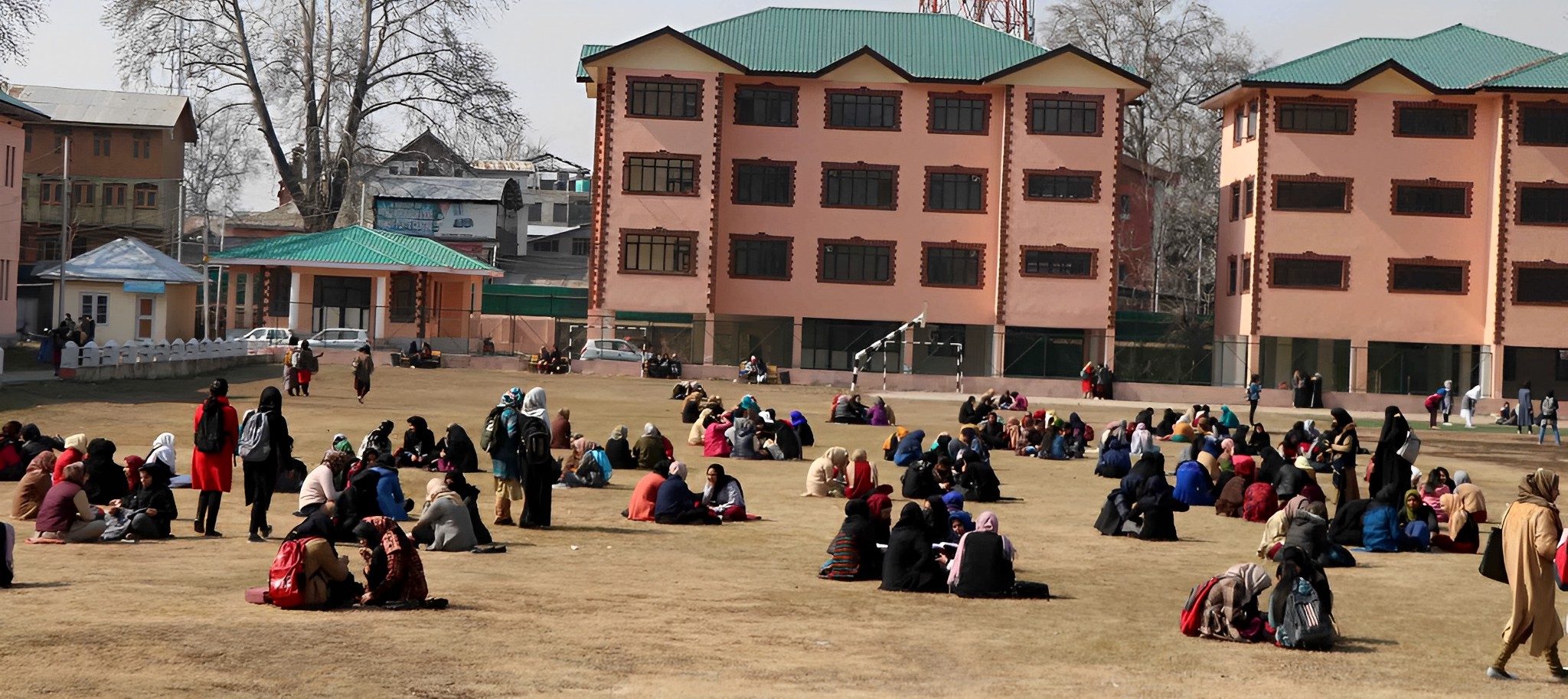
The controversy began after the auditorium at Government College for Women, MA Road, was named ‘Lalla Arifa Auditorium’, a title that sparked outrage from several Kashmiri Pandit organisations and eminent community members. They asserted that the correct and historic name was ‘Lal Ded’ or ‘Lalleshwari’, and that the use of ‘Lalla Arifa’ misrepresented her cultural and spiritual identity. Kundan Kashmiri, president of the Kashmiri Pandit Conference (KPC), publicly described the move as “an attack on the soul of Kashmir” and a severe distortion of history.
Pandit leaders emphasised that Lalleshwari, known affectionately as Lal Ded, is regarded as the mother of Kashmiri Shaivite philosophy and serves as a unifying symbol for the region’s syncretic heritage. “Renaming her as Lalla Arifa is not only a gross historical distortion but also an insult to the Kashmiri Pandit as well as the entire Hindu community and an act of cultural appropriation,” the KPC noted in an official statement carried by Daily Excelsior.
Academic voices and social media discussions noted that while ‘Lal Ded’ remains the most widely used and accepted name for the saint-poet, some Persian and Islamic chronicles have also referred to her as ‘Lalla Arifa’—a title reflecting her stature as a wise and spiritual figure in Kashmiri Muslim tradition. Nonetheless, the overwhelming demand was for the auditorium to honour the more broadly accepted name, representing Kashmir’s plural heritage.
College authorities confirmed that the change would be implemented with immediate effect. The administration stated the aim was to respect “the sentiments and historic legacy associated with Lal Ded” and to reaffirm the institution’s commitment to fostering inclusivity.