SRINAGAR: Jammu and Kashmir’s Other Backward Classes list is a remarkably diverse catalogue of communities, bringing together traditional boatmen and fishermen, artisans, village service groups, pastoralists, religious and occupational biradaris, as well as communities identified by migration or historical displacement.
The list, contained in Annexure-D to SO 176 of 2024 dated March 15, 2024, has 41 entries and forms part of the amended Jammu and Kashmir Reservation Rules, 2005. The government does not provide a sociological definition of each group in the notification. It, however, identifies the communities legally entitled to be treated as OBCs and, in several cases, specifies who is included or excluded.
The first group is Bahach Hanjie, Shikara Wallas and Bhat Hanji, with an explicit exclusion of houseboat owners. These are communities traditionally associated with Kashmir’s waterways and the operation of small boats and shikaras. The National Commission for Backward Classes’ Central OBC list separately records Bahach Hanjie and Shikara Wallas, also excluding houseboat owners.
The second entry is Fishermen, including Gada Hanz. It covers people whose traditional livelihood is fishing, including the Gada Hanji community.

The third is Markabans, whose sole livelihood depends on using their horses and mules for work, mostly taking loads or ferrying people. The notification makes livelihood central to eligibility in this case: it is not simply the community name but dependence on markabani, or the traditional occupation associated with ponies/horse transport, that is specified.
The fourth group is Kumahars, traditionally potters. The name is the revised nomenclature used in the reservation rules; earlier versions of the list described this group as village potters or potters (Kumahars).
The fifth is Shaksaz, a distinct Kashmiri community name. The National Commission for Backward Classes also lists Shaksaz separately in the Central OBC list.
The sixth entry is Mochi, traditionally associated with footwear-making and shoe repair. The 2022 revision of the social-caste list changed the earlier wording, which referred specifically to shoe repairers working without machines, to the shorter community designation Mochi.
The seventh is Bangies Khakrobes, traditionally associated with sweeping and sanitation work. The notification retains the community name while the earlier formulation had described the group as sweepers.

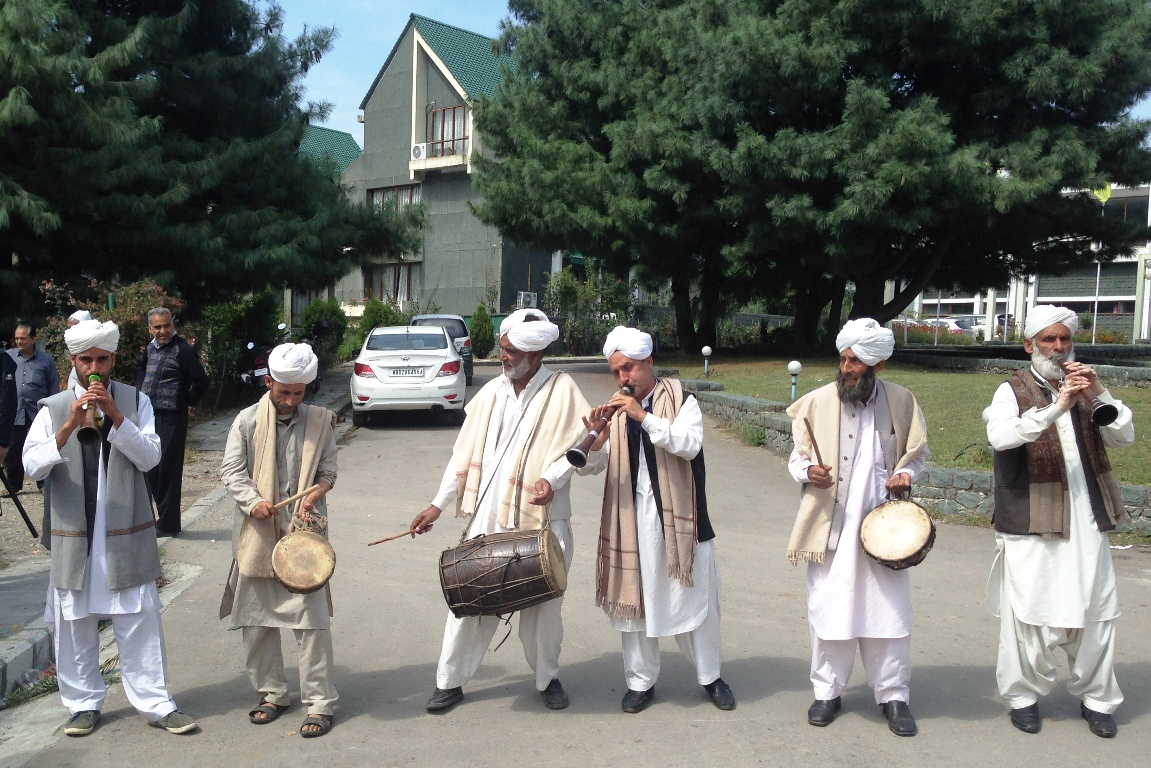
The eighth is Hajjam/Nai, the traditional barber community.
The ninth is Dhobi, traditionally associated with washing clothes. The National Commission for Backward Classes separately lists Bangi/Khakrob, barbers and village washermen, among the Central OBC entries for J&K.
The tenth entry is Bhands, Baghat. Bhand is a traditional performing and entertainment community, while Baghat is included alongside it in the J&K notification. Because the notification itself does not define the two names separately, they should not be treated as two independent OBC entries: they constitute one entry in the government’s list.
The eleventh is Mirasis, a community historically associated in North India with hereditary musicians, singers, genealogists and oral performers. The National Commission for Backward Classes lists Mirasi as a separate Central OBC entry for J&K.
The twelfth entry is Madari/Bazigars, traditionally associated with itinerant performance and entertainment.
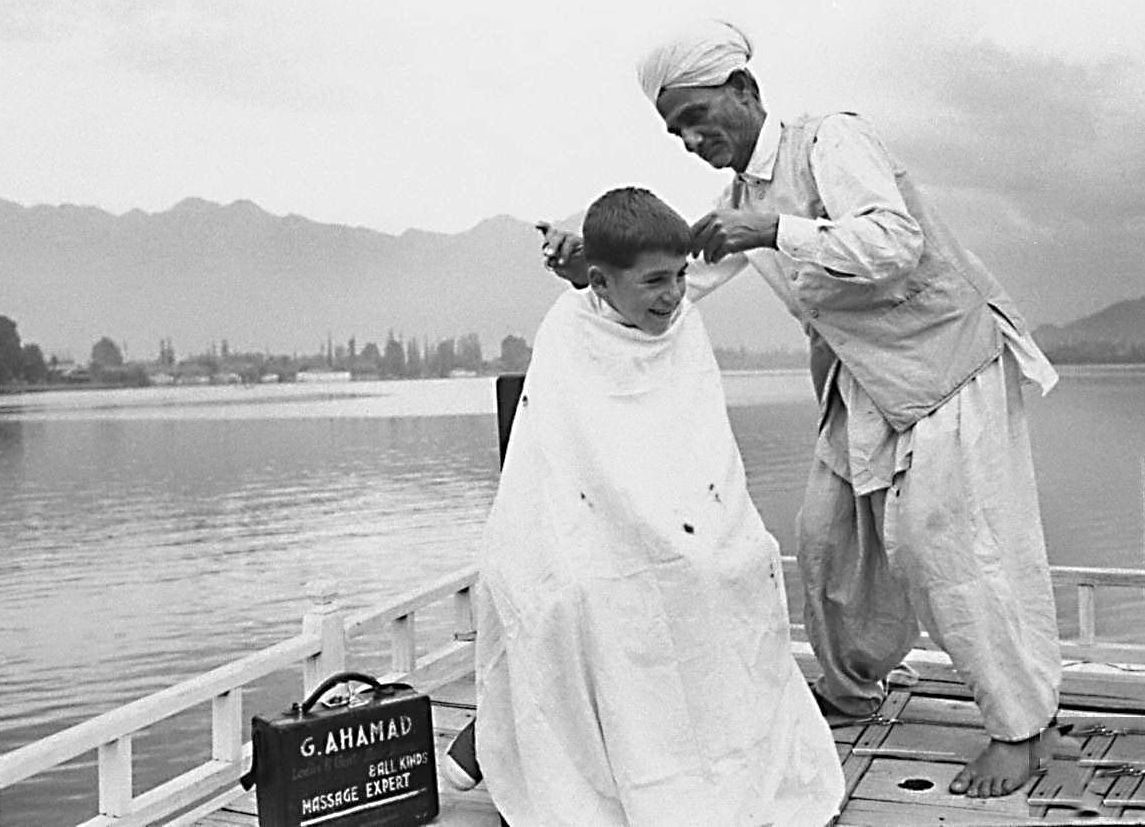
The thirteenth is Kulfaqir, a community name historically associated with gypsies, who are always moving around from place to place. They have ceased to exist in Kashmir for a long time now.
The fourteenth is Dambali Faqir, another specifically named community that once used to go to shrines and dance. They would also move from village to village during harvesting and entertain people by resorting to flash dance-like things.
Both Kulfaqir and Dambali Faqir are separately recognised in the Central OBC list for J&K.
The fifteenth is Dooms, excluding Scheduled Castes. This qualification is legally significant: the OBC entry does not cover persons who fall within the Scheduled Caste category.
The sixteenth is Shupri Wattal, another community historically associated with people who would make their living by weaving and hand-winnowing items, the shupp. They have ceased to exist in Kashmir, and now this is being woven by non-native people along with sanitation and sweeping devices. The Central OBC list also identifies Shupri Wattal with an exclusion for members of Scheduled Castes.

The seventeenth is Sansis, a community historically found across parts of North India. The eighteenth is Sikligars, traditionally associated with metalworking, particularly the polishing and manufacture of metal implements and, historically, weapons. The term Sikligar is associated with the Persian-Arabic root saqal, meaning to polish; ethnographic material describes the community as an occupational group of metal polishers and armourers.
The nineteenth is Jheewars, traditionally associated with water-related occupations and, in different regions, fishing, boating and water carrying. The Central OBC list identifies Jheewar as a separate J&K entry.
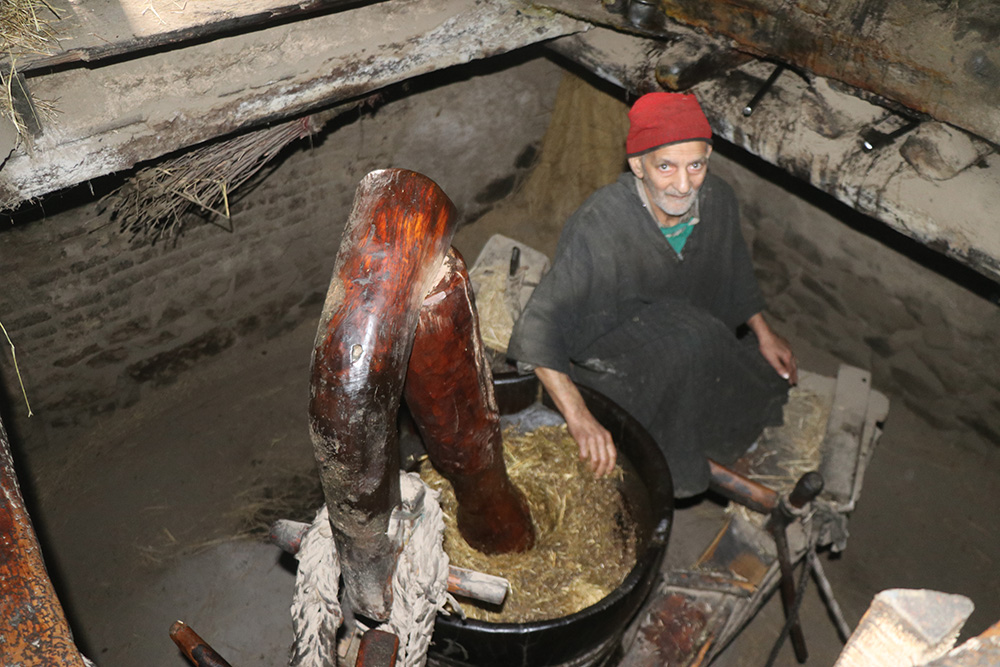
The twentieth entry is Gharati, rural only. Here the government has gone beyond merely naming a community and has inserted a precise definition: a Gharati means a person who runs a Gharat on water. The notification specifically says that a grinding machine powered by electricity does not qualify. A Gharat is a traditional water-powered mill, making this one of the clearest examples in the list where the nature of the livelihood determines the scope of the category.
The twenty-first entry is Teeli, Telwani and Teeli, with the notification expressly stating that Hindu Teeli is included along with the already existing Muslim Teeli. Teeli is traditionally associated with oil pressing and the oil trade. The Central OBC list already recognised Teeli/Teli, and the 2022 revision specifically extended the nomenclature to Hindu Teeli alongside the existing Muslim Teeli category.
The twenty-second is Lohars, traditionally blacksmiths and metalworkers. The twenty-third combines Tarkhans and Najars, both traditionally associated with woodworking and carpentry-related crafts. The Central OBC list identifies Lohar Tarkhan as an established J&K OBC entry.
The twenty-fourth is Gilkar, with the notification itself adding the explanation Mason. Thus, unlike several other entries whose meanings have to be established from historical usage, the government directly identifies Gilkar with masonry.
The twenty-fifth is the Labana community, a community found in several parts of northern India and historically associated with trading, transport and agricultural livelihoods. Labana was already included in the Central OBC list for J&K through a 2016 Central government resolution.
The twenty-sixth is Sheer-Gojries, Gojri, Gojar. The entry groups together these closely related names associated with Gojri/Gujjar social and linguistic identity. The important distinction for a news report is that the notification specifically lists these names under OBC; it should not be conflated with the separate Scheduled Tribe reservation applicable to the Gujjar and Bakerwal communities.

The twenty-seventh entry covers Yogi/Jogi/Nath and Bouria/Boria/Bowaria communities. These are distinct community names grouped by the notification. Yogi, Jogi and Nath identities have historically been associated with ascetic and religious traditions, while Boria/Bowaria is a separate community designation found in North India. The government notification, rather than a common occupational description, is the basis for treating these names within the OBC category.
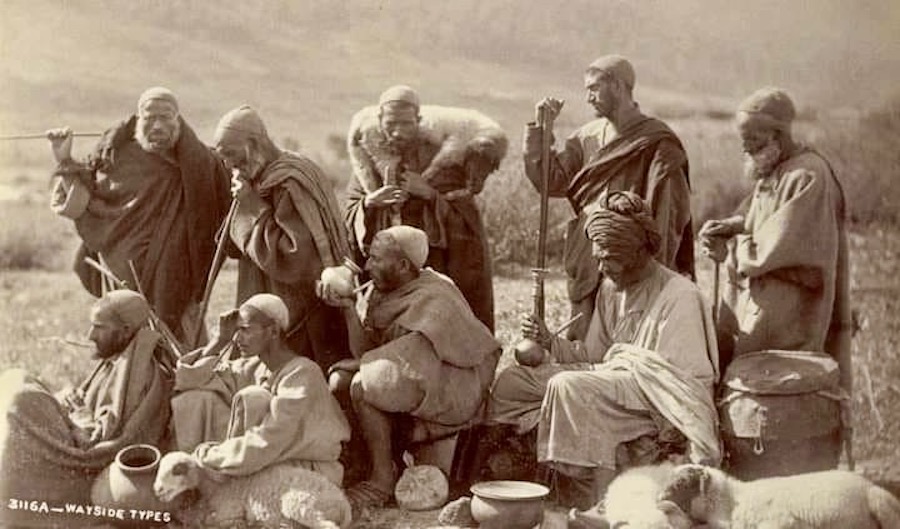
The twenty-eighth is Waghey (Chopan). In Kashmir, Chopans are traditional contract shepherds who look after sheep belonging largely to farmers and move livestock to high-altitude pastures during the grazing season. Research on Kashmir’s pastoral economy describes Chopans, also called Wagays, as professional sheep herders who generally manage animals owned by others rather than owning large flocks themselves.
The inclusion, however, generated an administrative question over who qualifies as a Waghey/Chopan. In May 2024, the Chopan Welfare Association said that officials were facing difficulties issuing certificates because the Waghey-Chopan criterion had not been sufficiently clarified. That dispute is useful context because it shows that the legal listing of a community and the administrative identification of individual members are not necessarily the same thing.
The thirtieth is the Jat Community, and the thirty-first is the Saini Community. Both were among the 15 communities added to the J&K social-caste list in the 2022 restructuring. The government described that exercise as having been undertaken on the recommendations of the Jammu and Kashmir Socially and Educationally Backward Classes Commission headed by former High Court judge G.D. Sharma.
The thirty-second is Markabans/Pony Walas. This is distinct in wording from the third entry, which covers Markabans whose sole livelihood depends upon Markabani. The later entry explicitly identifies Markabans with Pony Walas. The duplication is therefore worth retaining accurately in any report rather than attempting to merge the two entries.
The thirty-third is the Sochi Community. Sochi is traditionally associated with stitching and tailoring-related work in parts of the region, although the 2024 notification itself simply names the community and does not provide an occupational definition.
The thirty-fourth is Christian Biradari, converted from Hindu Valmiki. This is one of the most unusual entries because it is defined by both community history and religious conversion: the notification specifically limits the category to the Christian biradari identified as having converted from Hindu Valmiki. It should therefore not be reported simply as “all Christians” being included in the OBC list.
The thirty-fifth is Sunar/Swarankar/Zargar. These names are associated with traditional goldsmithing and jewellery-making. Sunar and Swarankar are commonly used across North India for goldsmith communities, while Zargar is the Persian-derived term widely used in Kashmir for a goldsmith.
The thirty-sixth is Perna/Kouro (Kaurav). The notification groups these names together as a single OBC entry. As with several of the newer entries, the notification does not provide an occupational definition, so the legally precise description is simply the community as named in Annexure-D.
The thirty-seventh is Bojru/Decount/Dubdabay Brahmin. This entry is particularly notable because the government has included these named Brahmin communities within the OBC schedule. The notification gives no further explanatory definition, so the three names should be retained exactly rather than being reduced to the broader term Brahmin.

The thirty-eighth is Gorkans, while the thirty-ninth is Gorkhas. These are separately listed entries, even though the names are closely related and are sometimes used interchangeably in ordinary discourse. The legal list treats them as separate categories, and they should therefore be reported separately.
The fortieth entry is West Pakistani Refugees, excluding Scheduled Castes. Here the basis of inclusion is historical displacement rather than a traditional occupation. The exclusion of Scheduled Castes is expressly part of the entry. This was among the 15 groups added when the J&K social-caste list was expanded in 2022.
The forty-first and final entry is Acharyas. The notification simply names the community and does not provide a further occupational or geographical qualification.

The list therefore stretches from Kashmir’s traditional water economy, Hanjis, Shikarawallas and fishermen, to village and artisanal occupations such as potters, barbers, washermen, blacksmiths, carpenters, masons and goldsmiths; from hereditary performing communities such as Bhands and Mirasis to pastoral communities such as Waghey/Chopans; and from established caste/biradari names such as Jats and Sainis to groups defined by migration or historical circumstances such as Gorkhas and West Pakistani refugees. It also contains several carefully drawn exclusions and conditions, meaning that simply belonging to a similarly named social group does not, by itself, establish eligibility in every case.
The history of the list is also important. The 2022 restructuring added 15 communities and altered the nomenclature of several existing entries; S.O. 176 of March 15, 2024 subsequently formed part of the broader amendment of the J&K Reservation Rules. The National Commission for Backward Classes’ Central list independently records many of the older J&K OBC communities, including Bahach Hanjie, Bangi/Khakrob, Bhand, Dambali Faqir, Doom, fishermen, Gharati, Jheewar, Kulfaqir, Kumhar, Madari/Bazigar, Mirasi, Sansi, Shaksaz, Shupri Wattal, Sikligar, Teeli/Teli, village washermen, Lohar/Tarkhan, Labana and Sheer-Gojries.