SRINAGAR: The armed confrontation between Israel and Iran entered its fifth day on Tuesday, with both countries escalating attacks and civilian casualties rising sharply. The conflict began with Israeli airstrikes on key Iranian military and nuclear sites, prompting Iranian retaliation with missile and drone attacks on Israeli cities.
Israel targeted military installations and infrastructure in Tehran, Natanz and other locations, citing intelligence reports indicating Iran was close to producing nuclear weapons. The strikes disrupted Iran’s energy and military systems, triggering blackouts and internal unrest. Iran responded by launching ballistic missiles and drones at Tel Aviv, Haifa and other Israeli cities, leaving at least eight dead and nearly 100 injured. Iranian casualties are reported to have crossed 200, with many women and children among the dead.
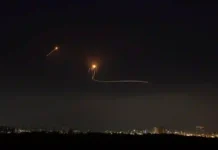
So far, 24 people have been killed in Israel and more than 500 injured, Israeli officials said, after Iran launched more than 370 missiles and hundreds of drones.
Both countries have attacked civilian and military targets, raising fears of a wider regional conflict. International concern has intensified, with calls for restraint coming from multiple countries.
The United States has so far avoided direct involvement. Secretary of State Marco Rubio said the U.S. was not involved in the Israeli operations and reiterated that Washington’s priority was to protect American forces in the region. U.S. troops and assets have been placed on alert, and Iran has been warned against targeting American interests.
President Donald Trump, addressing the situation, expressed a desire for a diplomatic resolution but acknowledged that “sometimes they have to fight it out.” Prior to the escalation, Trump had urged Iran to return to nuclear talks, but negotiations have now stalled. Trump’s administration has reinstated a “maximum pressure” policy aimed at blocking Iran’s nuclear ambitions through sanctions and diplomatic isolation.
US President Donald Trump on Monday posted on his social media site an ominous message calling for the immediate evacuation of the Iranian capital of Tehran while he’s in Canada attending the G7 summit.
Trump had said more than once during the day that Iran cannot have a nuclear weapon. He emphasized that again in his social media post, writing “IRAN CAN NOT HAVE A NUCLEAR WEAPON.”
Israeli officials have hinted at limits in their strike capabilities, especially regarding Iran’s Fordow nuclear site, which is buried deep underground. Israel’s ambassador to the U.S. noted that only American weaponry could effectively neutralise it, raising questions about future international involvement.
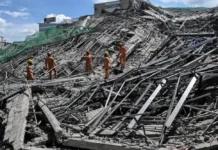
Meanwhile, the humanitarian toll continues to grow. Visuals of civilians trapped under rubble, including children, have circulated widely, adding urgency to global calls for a ceasefire.
No formal ceasefire talks have yet been announced, and military activity remains high across the region.