SRINAGAR: The Jammu and Kashmir administration is set to constitute specialised teams for on-ground assessment of high-risk glacial lakes, aiming to better understand their outburst potential and implement mitigation measures before catastrophic flooding can occur, Jammu-based newspaper Daily Excelsior reported.
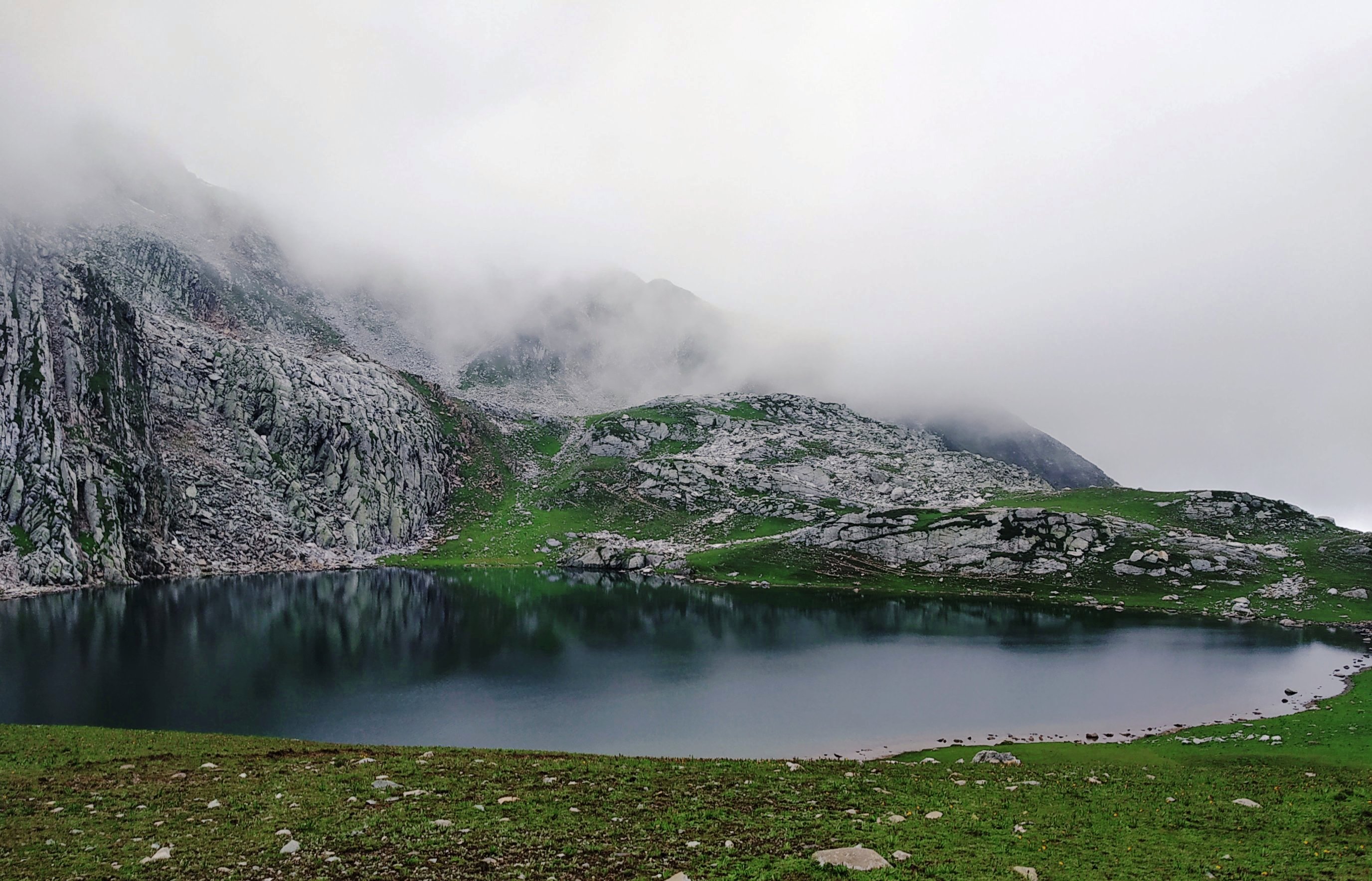
This move follows the identification of 14 high-risk, 3 moderate-risk and 7 low-risk glacial lakes across the erstwhile state, including three expanding glacial lakes in Kishtwar district. These developments come amid growing concerns over Glacial Lake Outburst Floods (GLOFs), which have become more frequent and dangerous due to rising global temperatures accelerating glacier melt in the Himalayas.
The newspaper quoted a senior official revealing that the government will shortly dispatch multidisciplinary teams, including glaciologists, to conduct field validation, a process of physically verifying satellite-based assessments. “Remote sensing and satellite imagery are important for mapping glacial lakes, but they cannot determine key variables like lake depth, volume, moraine dam stability or drainage conditions,” the official said. “Field validation is essential for ground-truthing data and assessing real risks.”
The decision to accelerate field-based research stems from the directives issued under Government Order No. 930-JK(GAD), dated April 4, 2024, through which a Focused Glacial Lake Outburst Flood Monitoring Committee was constituted. The committee was tasked with reviewing existing glacial lake data provided by the National Disaster Management Authority (NDMA), identifying high-risk lakes, recommending site-specific mitigation measures, and advising on institutional capacity building.
The official said that once field validation is complete — a process that may take considerable time — the expert teams will recommend a mix of engineering interventions, early warning systems, and community preparedness protocols to minimise potential damage. “While we cannot entirely prevent GLOFs given natural triggers like earthquakes, icefalls or landslides, proactive mitigation can significantly reduce their impact,” the official noted.
The three glacial lakes identified in Kishtwar district are of particular concern. Satellite analysis spanning the last two decades shows a worrying trend: each of these lakes has expanded nearly sevenfold, from 10–12 hectares two decades ago to nearly 80–90 hectares today. The lakes sit perilously in the Zanskar-Kishtwar region, bordered on one side by the sparsely inhabited Zanskar region of Ladakh and on the other by the populated Warwan and Dachhan areas of Kishtwar.
Any breach, experts warn, could release millions of cubic metres of water and debris into the tributaries of the Chenab River, with devastating consequences for downstream settlements and infrastructure.
The Union Government, the official added, is fully backing Jammu and Kashmir’s efforts and recognises the national significance of the issue. “We’re grateful for the continued support from New Delhi, which understands that climate-induced risks in the Himalayas can have cascading effects across entire river basins.”
Authorities say the next steps will include the installation of automated monitoring systems and the development of early warning protocols for vulnerable villages, alongside awareness campaigns and simulation drills.