SRINAGAR: Often described as the “mini Kashmir”, Bhaderwah is witnessing a renewed surge in tourist arrivals this winter, driven by fresh snowfall, heightened security arrangements and renewed focus on winter tourism. However, even as visitor numbers climb and new projects are announced, deep-rooted environmental and civic challenges continue to trouble the picturesque hill town.
Over the past fortnight, snow-bound destinations across the Bhaderwah valley in Doda district have seen a steady inflow of tourists, prompting authorities to strengthen security across key high-altitude meadows such as Chattargalla, Panj Nallah and Guldanda along the Bhaderwah–Pathankot highway. The visible deployment of Jammu and Kashmir Police’s Special Operations Group, along with paramilitary forces, has been aimed at ensuring tourist safety amid harsh weather and difficult terrain.
Despite sub-zero night temperatures and heavy snowfall, the expanded security grid and improved coordination on mountain routes have helped sustain tourist activity. Local stakeholders credit the combination of timely snowfall, enhanced policing and hospitality by residents for the recent spike in footfall, with thousands of visitors reported over the last two weeks alone.
Adding to the optimism around tourism prospects is the Centre’s proposed multi-crore cable car project connecting Mathola village to the 12,500-foot-high Seoj Dhar meadow near the Kailash Kund glacier. Once operational, the project is expected to significantly boost access to one of the region’s largest snow-covered meadows, which remains inaccessible for nearly seven months each year. Preparatory steps for the project, including the preparation of a detailed project report, are currently underway.
The district administration is also preparing to host a two-day winter festival later this month at Guldanda and Bhaderwah town, with the stated objective of promoting winter tourism and stimulating local economic activity. Officials say arrangements are being made to ensure safety, crowd management and smooth conduct of events across tourist and religious sites.
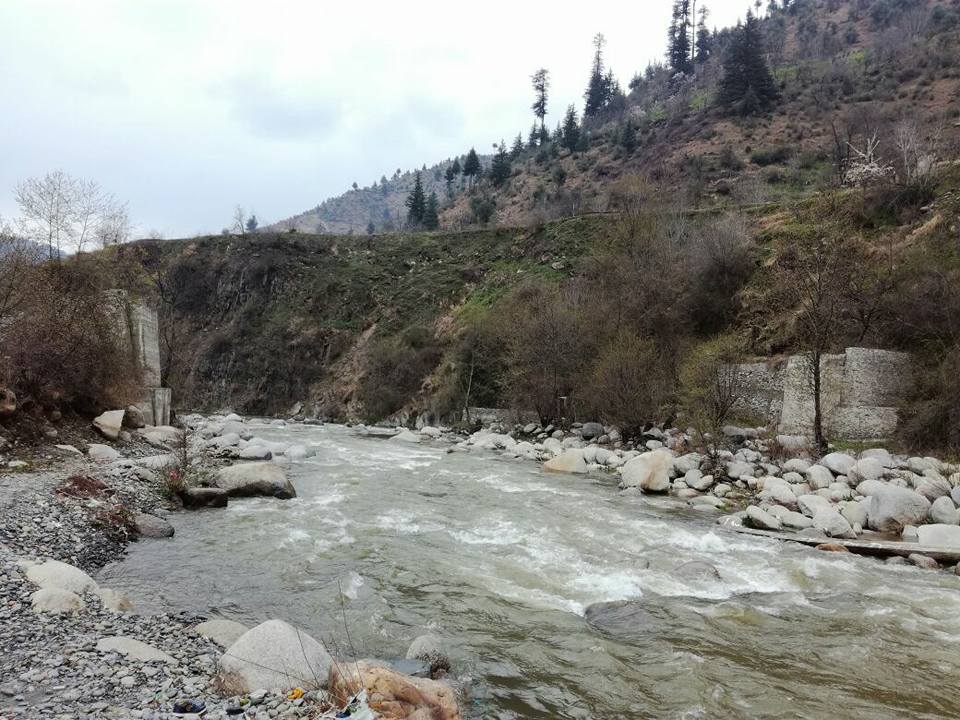
However, beneath the growing tourism narrative, Bhaderwah continues to grapple with unresolved environmental and infrastructure issues. The National Green Tribunal (NGT) has recently expressed dissatisfaction with the pace and quality of pollution control and remediation measures in the ecologically sensitive valley, particularly concerning untreated sewage and waste flowing into local water bodies, including the Neeru river system.
The Tribunal, which has been monitoring the issue since early 2024, has flagged the absence of an effective sewerage management system, delays in establishing sewage and faecal sludge treatment plants, and repeated slippages in timelines for waste management projects. Several proposed interventions have been stalled due to litigation, unsuitable site conditions following floods, or incomplete execution, raising concerns about the sustainability of rising tourist activity.
While some progress has been reported in areas such as door-to-door waste collection, sealing of outdated facilities and partial treatment infrastructure in select institutions, the NGT has noted that these measures fall short of ensuring comprehensive environmental protection. Delays in biomining legacy waste, incomplete treatment plants and fragmented reporting by authorities have further compounded the issue.
Environmental experts warn that without parallel investments in sewage treatment, solid and plastic waste management, and long-term planning, the fragile Himalayan ecosystem of Bhaderwah could face irreversible damage—especially with increasing tourist pressure.
As Bhaderwah positions itself as a winter tourism hub, the contrast between growing visitor numbers and persistent civic and environmental shortcomings highlights a critical challenge: ensuring that tourism growth is matched by sustainable infrastructure and ecological safeguards. Whether the valley can balance economic opportunity with environmental responsibility remains a pressing question in the months ahead.