Jammu and Kashmir requires a huge amount to manage the gaps and requirements in the health sector, given the patient load and the massive morbidity mix, especially cancer
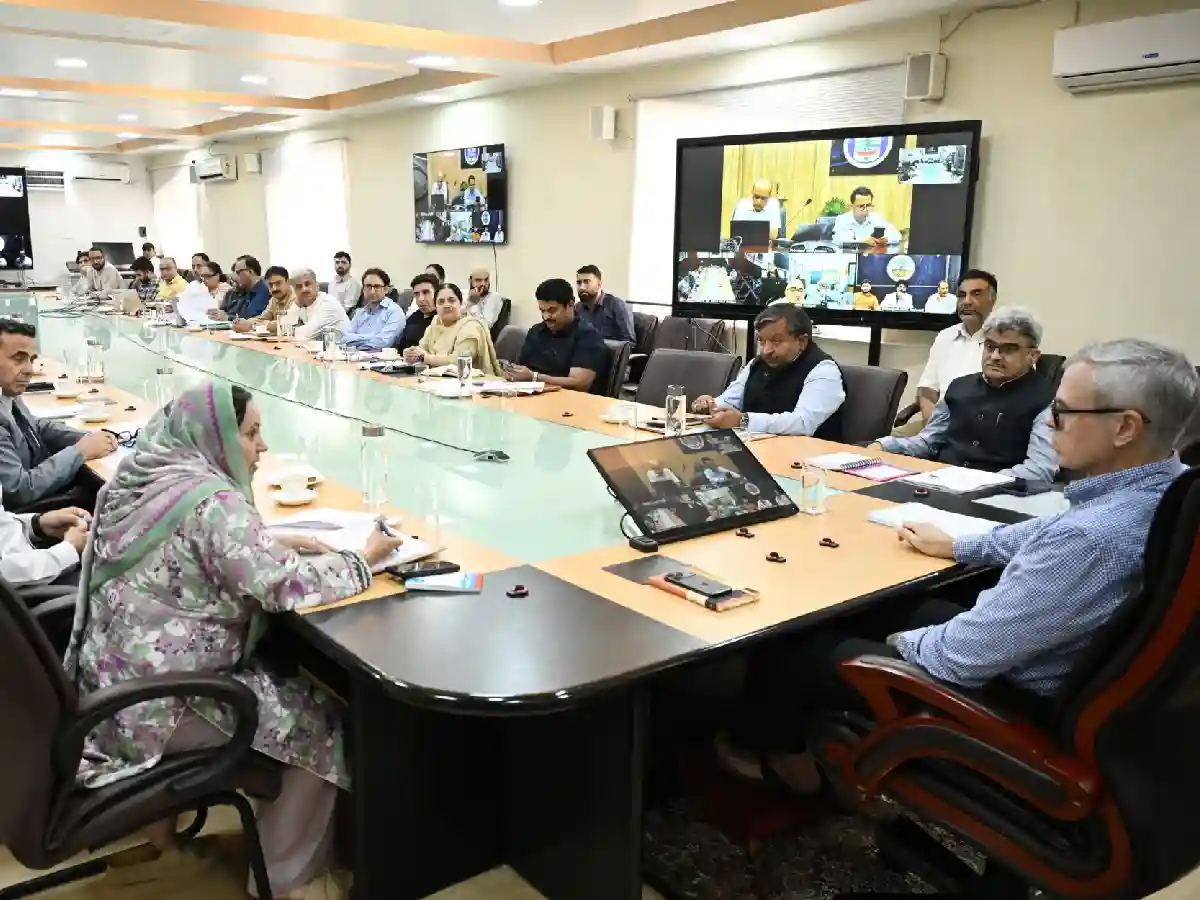
Jammu and Kashmir’s Health and Medical Education Department has drawn up a five-year capital plan running into several thousand crore rupees, with medical equipment alone accounting for the single largest head of spending across all new Government Medical Colleges. Chief Minister Omar Abdullah told the policymakers that the funding may not come in one go.
While talking to the heads of the reform Advisory Committee, he noted that the sector’s work over the past two years has been impressive, as the government has tackled gaps in manpower, equipment and infrastructure to some extent. But he also flagged the scale of what lies ahead.
The reforms report shows what an ideal health system should look like, he said. The money for it, though, is not guaranteed to arrive all at once. He asked the department to prioritise. Immediate gaps should come first, he said, along with basic primary and secondary care.
Institution Costs
The plan’s numbers are large. Each of the newest medical colleges, at Baramulla, Doda, Handwara, Kathua, Rajouri and Anantnag, would require about Rs 265 crore over five years, officials said. Udhampur, reviewed earliest under the programme, comes slightly higher at Rs 275 crore.
Equipment eats up the biggest share in each budget. It typically runs to Rs 100 crore, well over a third of the total. Infrastructure follows at Rs 50-60 crore. Digital health, academic blocks and residential support make up the rest. Once services go live, each institution needs about Rs 50 crore a year to keep running, officials added.
Bigger institutions cost more. SKIMS Soura and GMC Jammu are each assessed at Rs 400 crore in capital spending, with Rs 60 crore a year in recurring costs. GMC Srinagar’s baseline figure is Rs 300 crore. Officials said a more detailed, department-wise costing for the college points to much higher requirements once equipment renewal and new services are added in.
SKIMS Medical College and Hospital, Bemina, would require Rs 405 crore. That figure includes extra works such as a sewage treatment plant, doctors’ quarters and new lecture halls, officials said.
District hospitals get smaller allocations. Each has been assigned Rs 50-100 crore in capital spending and Rs 10 crore in recurring costs, reflecting their role as secondary care centres.
Cost Norms
Behind these numbers sits a set of standard cost norms. Officials have asked every college to apply them uniformly. An MRI unit with shielding and civil works costs Rs 20 crore. A 128-slice CT scanner costs Rs 8 crore. A full laboratory automation package costs Rs 10 crore.
A complete neurosurgery package, including a microscope, navigation system and instruments, comes to Rs 8 crore. A skill and simulation centre for training costs Rs 15 crore.
These are planning norms, officials stressed, and not final bills. They are based on current market prices and recent government procurement trends. Actual costs will depend on tendered rates. Procurement will run through centralised channels such as GeM, JKMSCL or other approved agencies.
Staffing norms are standardised as well. A functional trauma centre needs four trauma surgeons, three orthopaedic surgeons, four anaesthesiologists and thirty six nursing officers, per the department’s template. Actual post creation will still depend on patient load, bed strength and approval from the competent authority, officials noted.
Cancer Push
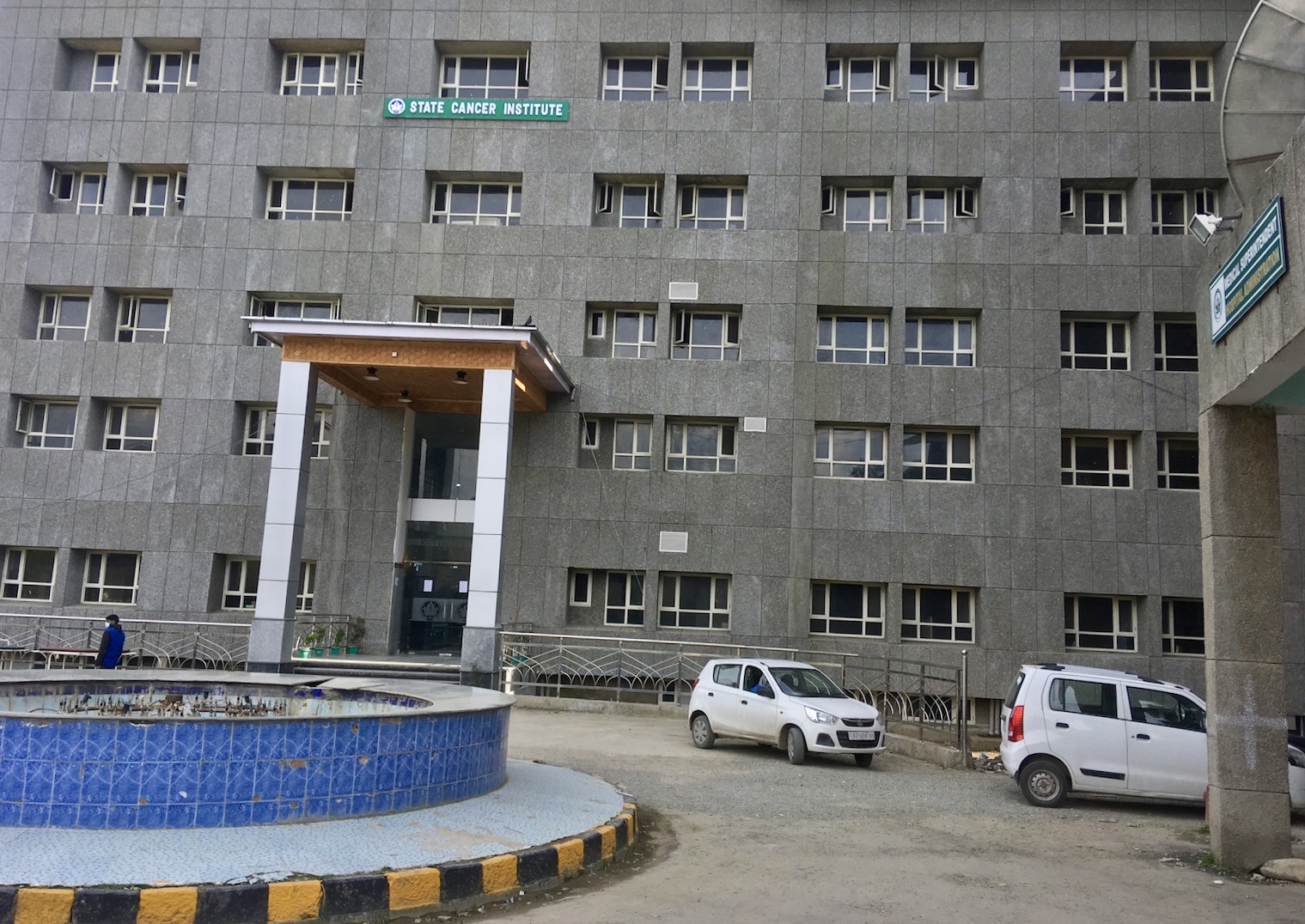
Cancer care is one of the costliest single verticals. Officials said the population-based cancer screening drive under Ayushman Arogya Mandirs alone carries an estimated outlay of Rs 100 crore per medical college over five years. The goal is universal screening for people aged 30 and above, for oral, breast and cervical cancers.
Diagnostic upgrades add further cost. A PET scan facility costs Rs 25 crore and a gamma camera costs Rs 4 crore. A full radiotherapy centre, with a tele-therapy unit and optional brachytherapy, costs around Rs 35 crore including civil works.
A molecular oncology laboratory would cost about Rs 1.5 crore a year over five years, officials said. The Indian Council of Medical Research has committed funding for one such lab under its DiaMONDs project, up to Rs 8 crore in phased instalments.
Radiation oncology equipment already installed or planned at GMC Srinagar alone runs into tens of crores. Officials cited a CT simulator at Rs 10 crore, a Telecobalt-60 unit at Rs 12 crore, and a TrueBeam linear accelerator at Rs 20 crore.
Allied Verticals
Mental health services carry a one-time capital provision of Rs 150 crore. Annual recurring costs are pegged at Rs 15 crore. These funds cover 100 new psychiatrists, 49 clinical psychologists and more beds at IMHANS, GMC Jammu, SKIMS Bemina and the district medical colleges, officials said.
Oral health gets Rs 30 crore in capital spending, mostly for mobile dental vans, one per district. Recurring costs add Rs 2 crore a year, officials said.
Food safety infrastructure needs about Rs 50 crore, largely for two new testing laboratories in the Jammu and Kashmir divisions. A further Rs 6 crore is earmarked for new food safety officer posts.
Geriatric care strengthening needs Rs 6.75 crore in its first year and Rs 2 crore a year after that, officials added. Two proposed hospice centres, one each in Jammu and Srinagar, are estimated at Rs 50 crore apiece for construction.