SRINAGAR: In a major step towards preserving Ladakh’s archaeological and cultural heritage, the Union Territory administration has declared 23 historically significant sites as “Protected Monuments” under the provisions of the Jammu and Kashmir Ancient Monuments Preservation Act.
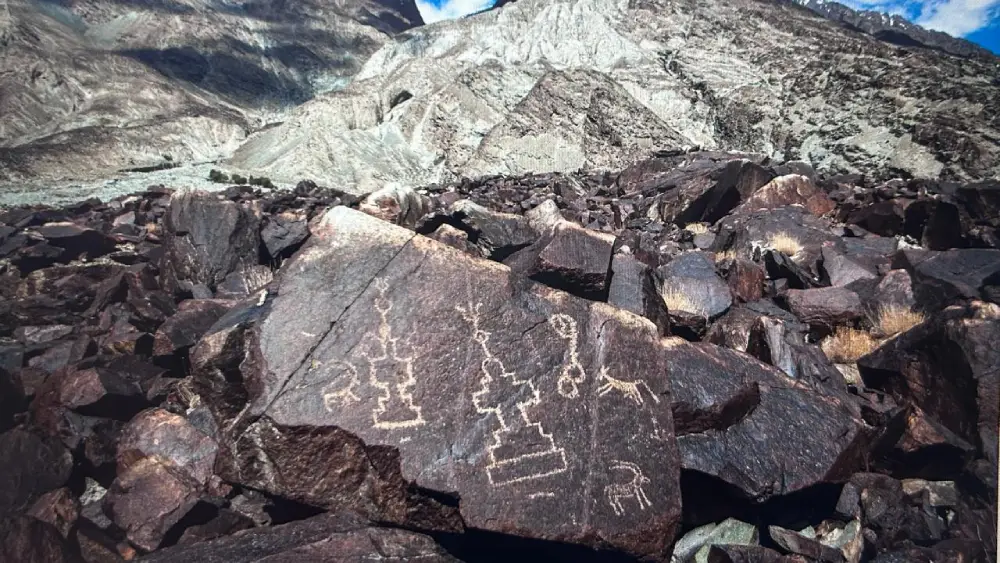
The notification, approved by Lieutenant Governor Vinai Kumar Saxena, provides statutory protection to a diverse range of heritage assets, including petroglyph sites, ancient rock carvings, monasteries, caves, forts and palaces, many of which had fallen into disrepair and faced increasing threats from neglect and human activity.
The administration said the move marks a significant milestone in safeguarding Ladakh’s unique civilisational heritage by ensuring legal protection, scientific conservation and systematic restoration of monuments that reflect the region’s long and diverse history.
The notification enables authorities to prevent encroachments, regulate activities that could damage the monuments, and undertake preservation measures to maintain their historical authenticity and structural integrity.
Announcing the decision, Lieutenant Governor Vinai Kumar Saxena said Ladakh’s ancient monasteries, forts, caves, petroglyphs and rock carvings are invaluable testimonies to the region’s civilisational heritage and cultural identity.
“Their preservation is not merely about protecting monuments but about safeguarding the collective memory of our people for future generations. By declaring these sites as Protected Monuments, we are laying a strong institutional foundation for their scientific conservation, documentation and sustainable management,” Saxena said.
He added that the initiative reflects the administration’s commitment to preserving Ladakh’s heritage while promoting responsible cultural tourism, academic research and greater public awareness of the region’s historical legacy.
Among the 23 sites brought under legal protection are the Petroglyph Site at Sharnos; the Maitreya Buddha Rock Carving at Shey near Sindhu Ghat; Tingmosgang Fort; the Ancient Caves at Saspol; petroglyph sites at Domkhar, Lehdo, Alchi and Murgi; Stongday Gonpa; the Meditation Cave of Onpo at Hunder; Hunder Cave; Dechen Tsomo Khar (Fort); Stampuk Cave; Chamba Rock Carving; Zong Chamba, a rock carving of Maitreya Buddha; the Rock-Carved Buddha Statue at Hunder; Rigsum Gonbo Rock Carvings at Diggar; Chamba Karpo (White Maitreya Buddha) at Diggar; the Chamba Rock Carving at Tokpo, Diggar; Folong Singey (Boulder-like Lion Face) at Diggar; Sumoor Fort; Rock Inscriptions at Yourbaltak in Kargil; and the Petroglyph Site at Mangmore in Kargil.
Officials said the legal protection will strengthen heritage conservation efforts across Ladakh by creating a framework for long-term preservation and management of sites that document the region’s religious, artistic and historical traditions spanning several centuries.