Losing hair in your 20s or 30s is more common than most men expect. What starts as a slightly receding hairline or a thinning crown can quietly progress over months before it becomes hard to ignore. Male pattern hair loss, or androgenetic alopecia, is the most widespread cause of hair loss in men — and the good news is that it’s one of the few types where medical treatments actually have solid evidence behind them.
Understanding what those treatments are, how they work, and what to realistically expect is the first step toward making an informed decision.
Why Male Pattern Hair Loss Happens
The root cause isn’t stress or poor diet — though those can worsen things. Male pattern hair loss is driven by a hormone called DHT (dihydrotestosterone), which is a byproduct of testosterone. In men who are genetically sensitive to DHT, hair follicles on the scalp — particularly at the temples and crown — begin to shrink over time. Each hair growth cycle becomes shorter, and eventually the follicle becomes too small to produce visible hair.
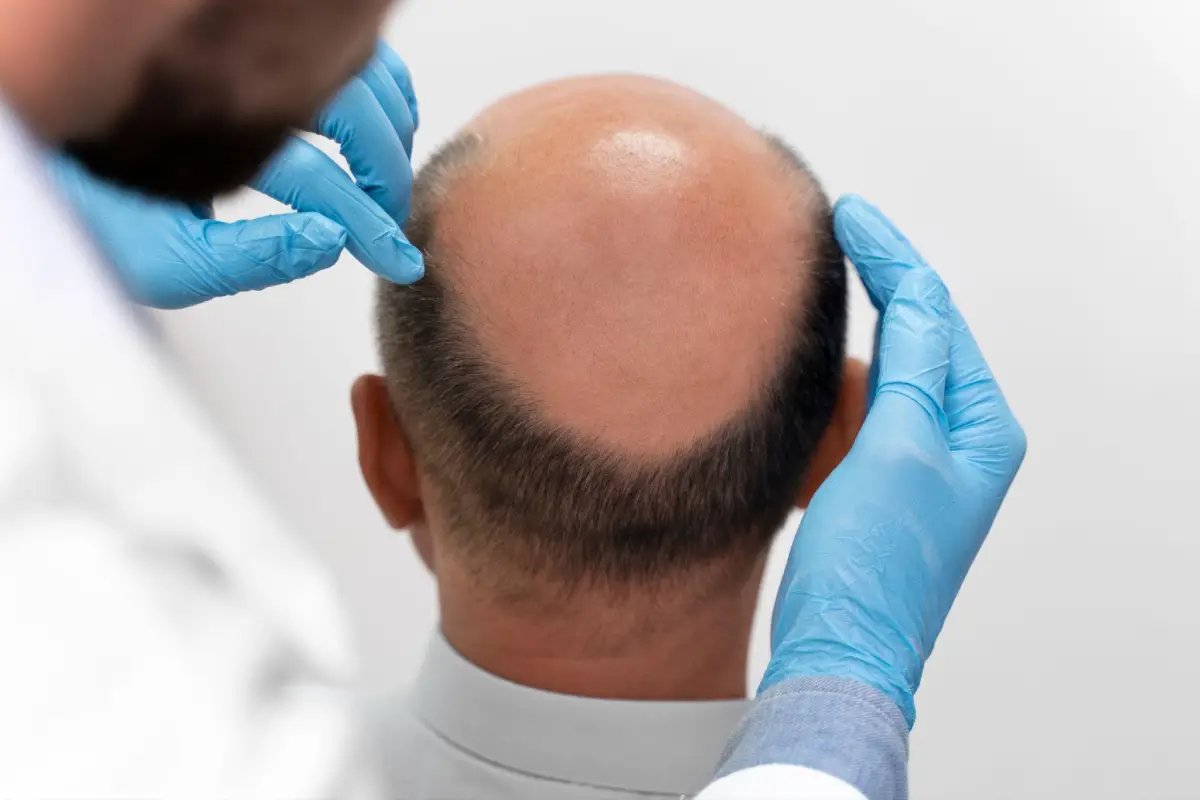
This is a progressive, genetic condition. It won’t reverse on its own, which is why early medical intervention tends to give better outcomes than waiting.
Minoxidil: The Most Widely Used Topical Treatment
Minoxidil is usually the first treatment doctors recommend. It was originally developed as a blood pressure medication but was found to have a consistent side effect — hair regrowth. Applied topically to the scalp, it works by widening blood vessels and extending the hair follicle’s active growth phase (anagen phase), which allows more time for hair to grow thicker and longer.
It’s available as a 2% or 5% solution or foam. The 5% concentration is typically more effective for men. Consistency matters a great deal here — results usually appear after 3 to 6 months of daily use, and stopping the treatment reverses any gains.
If you’re researching your options, understanding how to choose the best minoxidil for men for your specific hair type and scalp condition can make a meaningful difference in how well it works for you.
Finasteride: The Internal Approach
While minoxidil works at the follicle level externally, finasteride works internally. It’s an oral medication that blocks the enzyme (5-alpha reductase) responsible for converting testosterone into DHT. Less DHT in the scalp means less follicle shrinkage and, over time, some degree of hair regrowth or at least a stabilization of loss.
Clinical studies show finasteride to be quite effective in slowing male pattern hair loss. However, it requires a prescription and ongoing use. Some men experience side effects including reduced libido or mood changes, though these are not universal. It’s worth having a proper consultation with a dermatologist or trichologist before starting.
PRP Therapy: A Newer Clinical Option
Platelet-rich plasma (PRP) therapy has gained attention as a non-surgical clinical treatment. A small amount of the patient’s own blood is drawn, processed to concentrate the platelets, and then injected into areas of the scalp where hair loss is occurring. Platelets contain growth factors that can stimulate dormant follicles.
PRP is typically used alongside medications like minoxidil or finasteride rather than as a standalone solution. It’s not a one-time fix — most protocols involve multiple sessions spaced weeks apart, followed by maintenance treatments. Evidence is still growing, but early results for male pattern hair loss are promising.
Hair Transplant Surgery: When to Consider It
Hair transplant surgery is a more permanent solution, typically recommended for men with stable, advanced hair loss. The two main techniques are FUT (follicular unit transplantation) and FUE (follicular unit extraction), both of which involve moving healthy hair follicles from donor areas (usually the back of the scalp) to thinning areas.
Results look natural when done well, but it’s a significant investment — financially and in recovery time. It also doesn’t stop the underlying DHT-related loss, so medications are often continued post-transplant.
How Traya Approaches This
Platforms like Traya combine medical treatments with nutritional and lifestyle support, recognizing that male pattern hair loss rarely exists in isolation. Deficiencies in iron, zinc, or vitamin D can accelerate genetically-driven loss, and addressing those alongside DHT-targeted treatments tends to produce more balanced outcomes.
Final Thoughts
Male pattern hair loss is manageable — but the window for preserving what you have is time-sensitive. The earlier you understand what’s happening and why, the more options you have at your disposal. Whether it’s topical treatments, oral medication, or a combination approach, the key is addressing the root mechanism rather than chasing surface-level fixes.