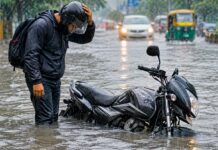
If your bike is your everyday ride to work, college, or around the city, it probably spends more time on the road. Frequent riding means you are more likely to deal with traffic, rough roads, changing weather, or the occasional minor accident. That is one reason bike insurance deserves a closer look.
Why Does Daily Commuting Change Your Insurance Needs?
Someone who rides only on weekends uses their bike very differently from someone who depends on it every day. Daily commuting means more kilometres, more time in traffic, and more exposure to everyday road conditions.
That does not mean something will definitely go wrong. It means your bike faces more day-to-day risks because it is on the road far more often. Even a minor incident can leave you dealing with repair bills or temporary inconvenience, especially if your bike is your primary mode of transport.
What Is the Minimum Insurance You Must Have?
In India, every bike used on public roads must have at least third-party liability insurance under the Motor Vehicles Act. This cover is meant for legal liability arising from injury, death, or property damage caused to a third party. It does not cover damage to your own bike.
Riding without valid third-party insurance may attract penalties under the law. Thus, keeping the policy active is just as important as maintaining the vehicle itself.
Why Do Many Daily Riders Choose Comprehensive Bike Insurance?
Third-party insurance meets the legal requirement, but it does not provide financial protection for damage to your own bike. This is where comprehensive bike insurance may offer broader protection.
Depending on the policy, it may provide cover for accidental damage to your bike, theft, fire, or certain natural and man-made events, along with the mandatory third-party liability cover. If your bike is part of your daily routine, unexpected repair costs or the loss of your vehicle can be difficult to manage without adequate protection.
The exact benefits, limits, exclusions, and add-on covers differ from one policy to another. Before buying or renewing a policy, read the policy wording carefully to understand what is included and what is not.
What Should You Check Before Renewing Your Policy?
Before renewing your bike insurance, it helps to review a few important details:
Insured Declared Value (IDV): Check whether the IDV reflects your bike’s current market value, as it influences both the premium and compensation in case of a total loss.
Add-on covers: Depending on the policy, options like zero depreciation cover or roadside assistance may be available.
No Claim Bonus (NCB): If you have completed the policy period without making a claim, you may be eligible for an NCB, subject to the policy terms.
Network garages: If cashless repairs are available under your policy, a wider network of garages can make repairs more convenient.
Why Is It Worth Reviewing Your Cover Regularly?
It is easy to think of insurance as something you renew once a year and then forget about. Over time, though, your riding habits may change. You might be travelling longer distances, using your bike more frequently than before, or relying on it for almost all your daily travel. Taking another look at your policy from time to time helps you check whether the cover still matches the way you use your bike today.
Before renewing, check whether the IDV is still appropriate for your bike and see if your current policy includes the add-on covers you need. If you have not made a claim during the policy period, find out how your NCB applies. Looking at these details before renewal gives you a better understanding of the cover you are paying for.
Conclusion
The more you rely on your bike, the more important it becomes to think beyond the minimum legal requirement. The right insurance is having a cover that matches the way you use your bike. Before buying or renewing bike insurance, read the policy wording carefully so you understand the benefits, limits, and exclusions that apply.