Kashmir cricket’s first big IPL moment underlines the urgent need for transparent, accountable sporting governance
Auqib Nabi’s Rs 8.40 crore IPL auction moment is being celebrated, quite rightly, as a personal triumph and a rare collective joy in Kashmir that has long watched its sporting dreams stall at the margins. Yet this historic first for cricket in Kashmir also exposes a deeper, uncomfortable truth: individual brilliance is succeeding despite the system, not because of it. That paradox is precisely why sports bodies, especially in fragile and aspirational regions like Jammu and Kashmir, must be professional, apolitical, fair and transparent.
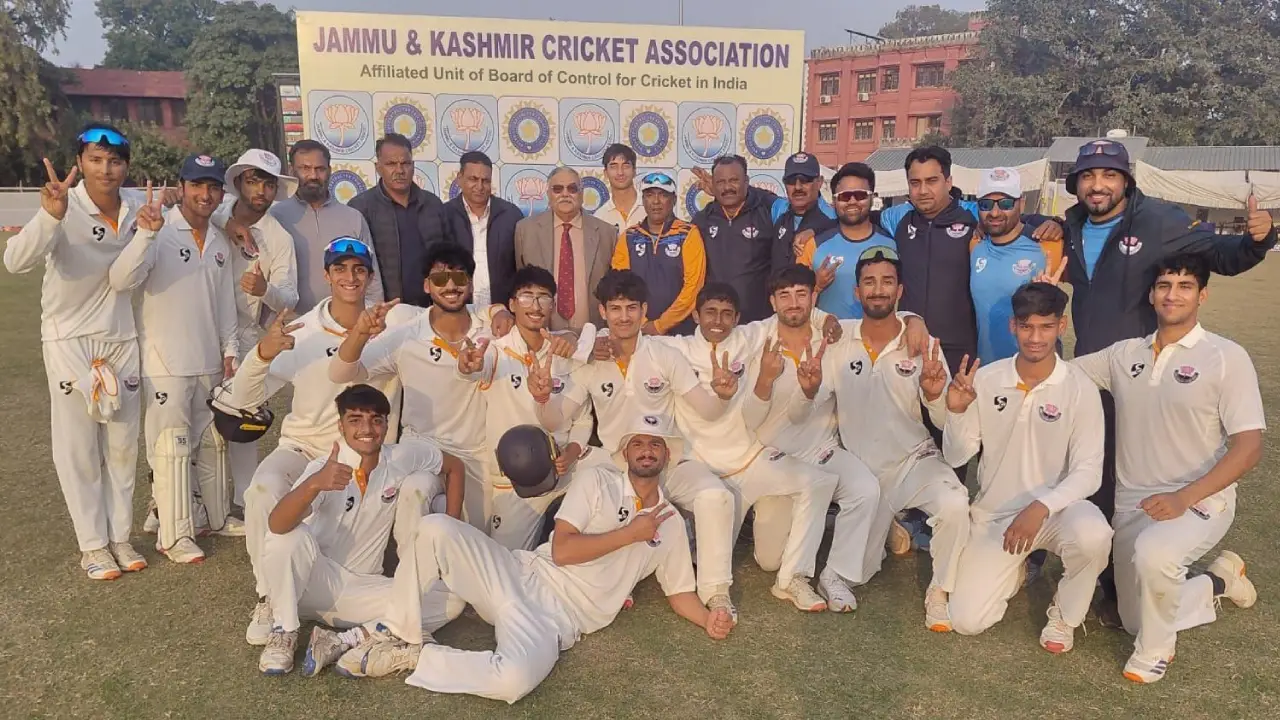
Sporting institutions are not ornamental structures; they are gatekeepers of opportunity. When they function professionally, they create predictable pathways where talent knows what is required, how to access trials, and how selection decisions are made. When they do not, sport degenerates into patronage, favouritism and attrition. The repeated allegations levelled against the Jammu and Kashmir Cricket Association, opaque selections, absence of club cricket, unilateral decision making and administrative paralysis, point to a governance failure that no single auction success can mask.
Apolitical functioning is not a slogan but a necessity. The moment political influence enters sports administration, merit is replaced by loyalty, and dissent by fear. Jammu and Kashmir’s cricketing history over the past decade shows how political intervention, court battles and bureaucratic control have crowded out cricket itself. Administrators may change, committees may be appointed, but unless politics is decisively kept out, instability becomes permanent, and players pay the price.
Fairness and transparency are the moral core of sport. Selection and rejection are part of any competitive system, but exclusion without access is injustice. When trials are shut, criteria unpublished and clubs frozen out, hundreds of players are denied not just a chance, but dignity. The data on Jammu and Kashmir’s domestic performance across age groups reflects the outcome of such systemic neglect: stagnation, not scarcity of talent.
Auqib Nabi’s journey should have been routine in a healthy system, one among many success stories emerging from a robust domestic structure. Instead, it has become an exception, elevated because so few make it through. That is a warning sign. If sports bodies continue to operate as closed, politicised and opaque entities, more talent will leave, burn out or be lost entirely.
Professional, apolitical, fair and transparent governance is not an abstract reform demand. It is the difference between sport as hope and sport as heartbreak. In Kashmir, the stakes could not be clearer.