SRINAGAR: Jammu and Kashmir Education Secretary Ram Niwas Sharma on Monday said Srinagar has the potential to outrank Indore in cleanliness rankings as the administration launched a campaign to involve students in keeping public spaces clean.
Sharma said the initiative was aimed at creating a sense of ownership among citizens and contributing to Prime Minister Narendra Modi’s vision of a clean India.
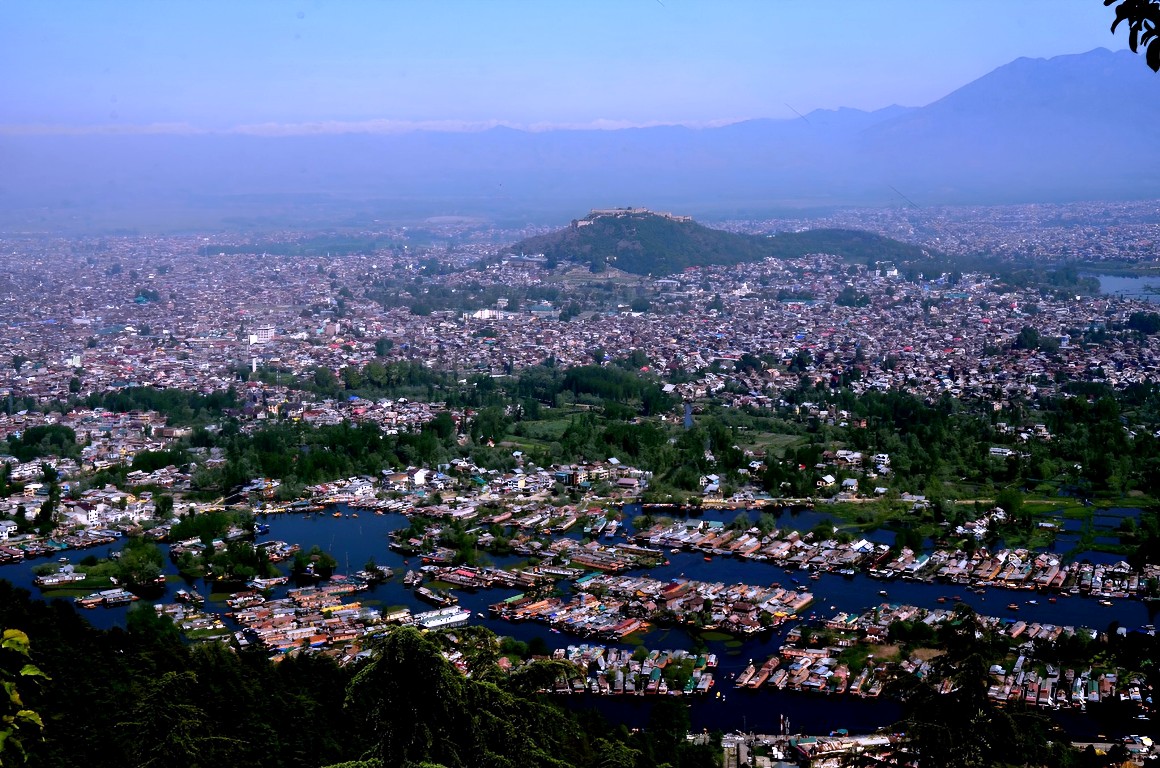
“Srinagar and Jammu and Kashmir are very beautiful places,” he told reporters here.
He said the region had historically been known for its cleanliness but the growing tourist influx had contributed to a perception that the city was becoming dirty.
“It is a witness of history that it has always been considered so clean and secure. Now, due to the presence of tourists, we have a bad reputation that our city is a bit dirty. So, to make it clean, we are starting a programme,” he said.
The Housing and Urban Development Department is initiating the cleanliness drive, he said.
Sharma said around 25 to 30 lakh students across Jammu and Kashmir would be encouraged to take ownership of public spaces and government property and act as “brand ambassadors” of cleanliness.
“We want that all our children become brand ambassadors of cleanliness,” he said.
Emphasising the need for a sense of ownership, Sharma said people generally kept their homes clean but often did not show the same concern for public spaces.
“We keep our homes clean, but we don’t own the public space or government property. So, we should have a sense of ownership. We should have a sense of cleanliness,” he said.
Sharma said Jammu and Kashmir had all the potential to match Indore’s cleanliness standards and should aim to improve its ranking.
“If we talk about our villages, we are no less than the villages of Sikkim or Meghalaya. We have such beautiful lakes and mountains, we just have to keep them clean. We have to preserve our Chinar,” he said.
Referring to a village in Meghalaya that is considered among the cleanest in Asia, Sharma said Jammu and Kashmir’s villages too could aspire to global standards.
“Why don’t we keep our village clean? We should rank among the cleanest villages in the world,” he said.
He also called for treating waste as a resource.
“We should make waste our resource. We should make waste our wonder. We should make waste our wealth. The day we start making our waste our wealth, we will go a long way,” he said.
The secretary urged students, teachers and professors to spread the message of cleanliness and ownership.
“Today, all our students should send a message that all our students should own their assets, the public space of the government. They should bring the concept of ownership and move forward like a brand ambassador,” he said.
On the implementation of the National Education Policy (NEP) in Jammu and Kashmir, Sharma said the Union Territory was among the first to implement it across school, college and higher education levels.
“Some of our flagship programmes are Design Your Degree, Four Year Degree Programme. As far as schools are concerned, we have started Balwatika 1, 2, 3 in schools. This has had a huge impact,” he said.
Sharma said skill development was also being prioritised alongside academics.
“Approximately 1,40,000 students are learning skills in schools. In our colleges and universities, we have integrated vocational and skill education in more than 25 per cent of the courses,” he said. (KNS)