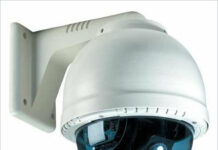
SRINAGAR: In a significant move towards improving traffic management, Srinagar has installed the Intelligent Traffic Management System (ITMS), bringing advanced technology into the city’s traffic regulation efforts with minimal human intervention. The new system, which boasts high-tech capabilities, aims to streamline enforcement while enhancing transparency and efficiency.
SSP Traffic Srinagar, Muzaffar Shah, highlighted the system’s key benefits, noting that ITMS is equipped with sophisticated cameras capable of automatically detecting a range of traffic violations. These include riding without helmets, triple riding, using mobile phones while driving, over-speeding, and driving in the wrong lane.
“The system ensures transparency by capturing violations through certified cameras, providing detailed evidence including date, time, and location, backed by photographic proof,” Shah explained.
Addressing concerns about potential disputes at traffic stops, Shah emphasized that the reduced human interface of the ITMS minimizes the chances of conflict between violators and officers. “This system eliminates altercations, as violations are detected and documented automatically. The violator is directly notified, and a challan is issued with clear evidence of the offence,” he said.
The ITMS operates efficiently under various weather conditions, providing round-the-clock monitoring without interruption. Shah noted that this allows the traffic department to allocate manpower more effectively, focusing on areas that require physical intervention while the system manages routine violations.
“While ITMS handles multiple violations, our team can address other critical traffic concerns, ensuring more effective overall management,” he added.
Shah described the installation of ITMS as a major step towards modernizing traffic management in Srinagar, ensuring greater compliance and reducing unnecessary confrontations. “This system benefits genuine citizens by ensuring they are not harassed, while holding violators accountable for their actions,” he concluded. (With KINS inputs)