SRINAGAR: Iran has stated that the Strait of Hormuz remains open to all shipping except for vessels linked to what Tehran describes as “Iran’s enemies,” according to Iranian media reports citing the country’s representative to the United Nations maritime agency.

Ali Mousavi, who also serves as Iran’s ambassador to the UK, made the comments in an interview with Chinese news agency Xinhua on Friday, prior to US President Donald Trump’s warning that Iranian power plants could be targeted if the strait was not “fully open” within 48 hours.
The narrow waterway, a critical route for roughly 20 percent of global oil and liquefied natural gas shipments, has seen reduced traffic due to fears of potential attacks amid heightened US-Israeli-Iran tensions, raising concerns of a global energy disruption.
Mousavi stressed that Tehran would continue cooperating with the International Maritime Organization to enhance maritime safety and protect seafarers in the Gulf. He added that ships not associated with “Iran’s enemies” can navigate the strait by coordinating security arrangements with Iranian authorities.
“Diplomacy remains Iran’s priority. However, a complete cessation of aggression as well as mutual trust and confidence are more important,” Mousavi said, blaming Israeli and US actions for the current instability in the Strait of Hormuz.
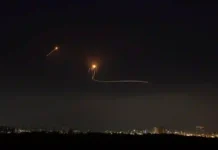
Meanwhile, the US-Israel war against Iran has escalated into a dangerous new phase, entering its fourth week with intense military engagements across the Middle East. Following a series of U.S. and Israeli airstrikes that damaged key Iranian infrastructure and military leadership, Tehran has retaliated with long-range missile and drone attacks targeting Israeli towns and U.S.-allied interests, including energy installations in the Strait of Hormuz.
The ongoing conflict has caused significant casualties, disrupted global oil supplies, and led to calls from the UN for immediate de-escalation as both sides show no sign of backing down.