Widowed young after severe personal tragedies, Asiya Iqbal built a thriving mushroom and rooftop farming enterprise in Bandipora, earning over Rs 40,000 monthly while mentoring others, reports Babra Wani
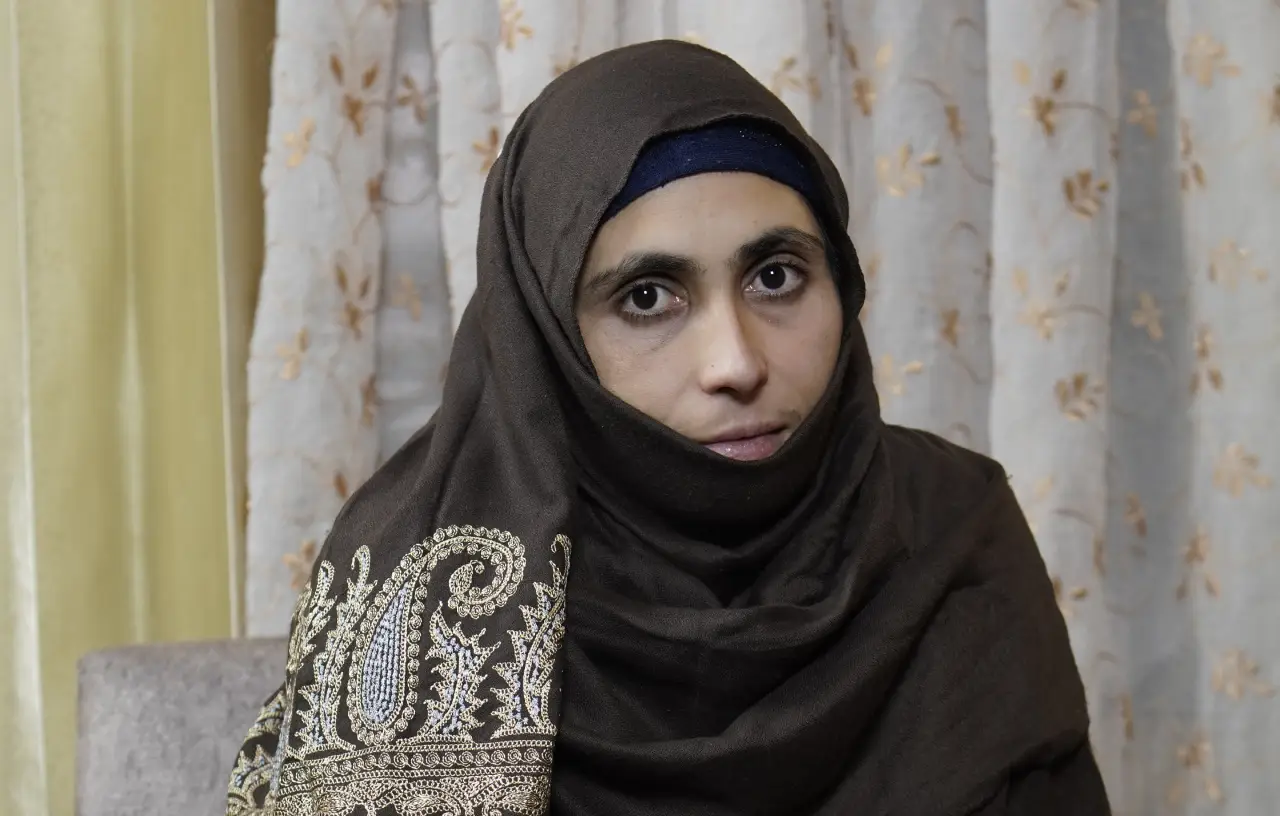
Bandipora woman Asiya Iqbal innovated a simple idea and succeeded as an entrepreneur in her early thirties. She started her rooftop vegetable garden, known as waer in Kashmiri, and a mushroom cultivation unit, which fetches her more than Rs 40,000 per month.
The eldest of four siblings, including three sisters and a brother, Asiya lost her mother when she was very young. Her father remarried. Asiya’s maternal aunt became her de facto mother. “She was the one who brought us up,” Asiya said.
Asiya continued her studies until the ninth standard before marrying at a young age. “I was married quite early to an army man. As soon as I got married, I realised it was going to be a new journey,” Asiya recalled.
She married in 2011 at the age of 19, but the happiness was short-lived. In 2015, her husband passed away, leaving Asiya a young widow with two children.
Not the Only Tragedy
But her husband’s death was not the only tragedy in her life. “Before that, there was an attempt to burn me while I was pregnant. It was the fault of my in-laws,” Asiya recalled, as a pang of sadness washed over her.
She alleged that her in-laws used to demand dowry from her, which she could not meet. “The fire left my hand damaged and my body scarred for life,” Asiya remembers. “My daughter is safe now. Doctors were able to save her, even though those flames left me comatose for over six months.”
The accident left her in a coma for more than six months. It was the army that helped her.
“Even though my parents had married me off, after my husband’s death, I came back,” Asiya said. Her maternal home is located in Nussu, Bandipora.
Her widowhood became a taboo for her. She became the subject of gossip, speculation and character questioning. “People became really mean. They used to taunt and question my every move, even if I was talking to someone in good faith.”
Remarried
In 2017, her in-laws got her remarried. “It was my parents-in-law, brother-in-law and sister-in-law who got me married again. Alhamdulillah, both of my husbands have been nice and kind to me.”
She took her children with her to her new home. “I never once thought of leaving them behind to start a new life. I have seen life without a mother, and I did not want them to experience the same,” Asiya said.
Asiya had lost her first husband in an encounter. But she was determined to secure her children’s future.
Asiya recalled that she had encountered many tragedies in her life, from being burnt to losing the home she had lovingly built after her first husband’s death to flames, to losing her husband. But none of it deterred her determination. She was focused on building a secure future for her children.
“I saw a lot of hardships after my husband’s death. But my father told me to educate my children,” she asserted.
Army Help
The army unit in her locality, of which her husband was part, called her to attend an honorarium they had prepared in her first husband’s memory. “There, the commandant told me that he would help me with whatever I wanted to pursue, be it a business, completing my education or taking up a job.”
She knew from day one that she could not take up a job. “Because taking up a job meant leaving my children behind, and I never wanted them to feel motherless,” Asiya said. “Then I asked him if there was a business that I could start from home.”
Later, while scrolling through her phone, she came across an advertisement about mushrooms. “I then gave him a call and told him that I wanted to start a mushroom cultivation business. It was something I could start at home.”
She was later trained with the Agriculture Department Bandipora, and after completing her training, she was provided with two mushroom units, amounting to 200 bags.
Sceptical at first, she soon started cultivating mushrooms in her 10 × 10-foot space. Later, she decided to use the compost from her mushroom unit to grow vegetables.
“Initially, the crop was completed in 40 days. Later, I was told to control the temperature to reduce the cycle to just 20 days,” she recalled, remembering how she screamed with joy when she saw the crop ready within 20 days.
Reducing the crop cycle duration by half made her happy. Her happiness was so evident that her family members were shocked. “They asked me if I had gone crazy or something.”
Marketing
But a new worry awaited her marketing. “I had no idea how to do that.”
It was then that her husband came to her rescue. “I was worried that the mushrooms would get spoiled at home. But then my husband said, do not worry, I will accompany you wherever you want to sell your mushrooms.”
That support from her husband helped her build enough confidence to run her business. “My first marketing opportunity came from the DC office in Bandipora. They were very supportive.”
Word of mouth spread, and soon everyone knew that a woman from Bandipora was running a mushroom business. “They introduced me to many customers from their own acquaintances, families and friends.”
Into Roof Farming
Scared at first, Asiya later became confident enough to start rooftop farming. “The mushroom business yields crops for only three months. After that, we have to prepare the next cycle,” Asiya remembered. “The nutrient-rich compost left behind gave me an idea. I did not want to throw those bags away, so I decided to grow organic vegetables in them. But my father pointed out that we did not own any land.”
When she shared the idea with her father, he suggested renting a piece of land. Asiya declined: “What if, after a few months, they ask for their land back?”
That is when the rooftop of her house came to her rescue. She began rooftop farming in 2023. Her mushroom cultivation business started in 2017.
Asiya produces approximately 50–60 kilograms of mushrooms each month. Her income comes from both mushroom cultivation and vegetable farming.
She cultivates vegetables on her rooftop using leftover mushroom compost as base soil, growing them in plastic crates and baskets.
“My rooftop garden soon flourished, and despite early challenges, I started selling my produce in Bandipora’s local markets. Later, I expanded to Srinagar and districts like Kupwara and Sopore.”
A Mentor
Asiya does not limit her knowledge to herself. “Whenever anyone asks for help or guidance, I share my knowledge. Someone taught me too. I have seen so much distress in life that I want to help everyone.”
She now heads a group where she mentors others. “Whenever they call seeking help, I guide them. People come to see my farms.”
In the last few years, she participated in various government-conducted exhibitions. “The agriculture department always invites me to showcase my produce at stalls.”
She acknowledges that seasonal changes hinder crops. “We do not use fertilisers. We grow garlic, spring onions, onions, haakh, spinach, beans and red chillies.”
She grows vegetables not only for sale but also for her own consumption. “And if someone comes asking for it, we share. We have never closed our doors to anyone.”
It was never easy without the support of her family.
A Family Affair
Asiya acknowledges that without her family’s support, it would not have been possible. A mother of four, two each from her two marriages, she said even her children, especially her daughter, are interested in her business. She has not hired external help and manages everything with her family’s assistance.
“All of them are studying, and they also help with marketing the business. Some days, they inform me that someone has placed an order for a specific quantity of vegetables. They even assist in carrying and moving the crates.”
Her husband has always supported her. “You run your business smoothly, and I will look after the children,” he told her. On days she is out of the station, he cooks, prepares tiffins and sends the children to school.
Her father remains her biggest support. “My father was always with me, assisting in farming and everything.”
“My father always told me to never lose hope. He asked me never to blame my situation or be ungrateful.”
Inspired by his words, Asiya believes her attitude of never giving up keeps her going. “Had I given up, none of this would have happened. My children would not have studied or lived a life of dignity.”
Now, Asiya plans to expand her business and units to employ others. “I also want to guide people who do not own land, just like me, on how to start businesses from home. I am trying to thrive as much as I can.”