Research documents widespread occupational injuries, physical strain and psychological stress among Dal Lake’s women fish retailers, exposing inadequate workplace protection and calling for formal safety and health interventions.
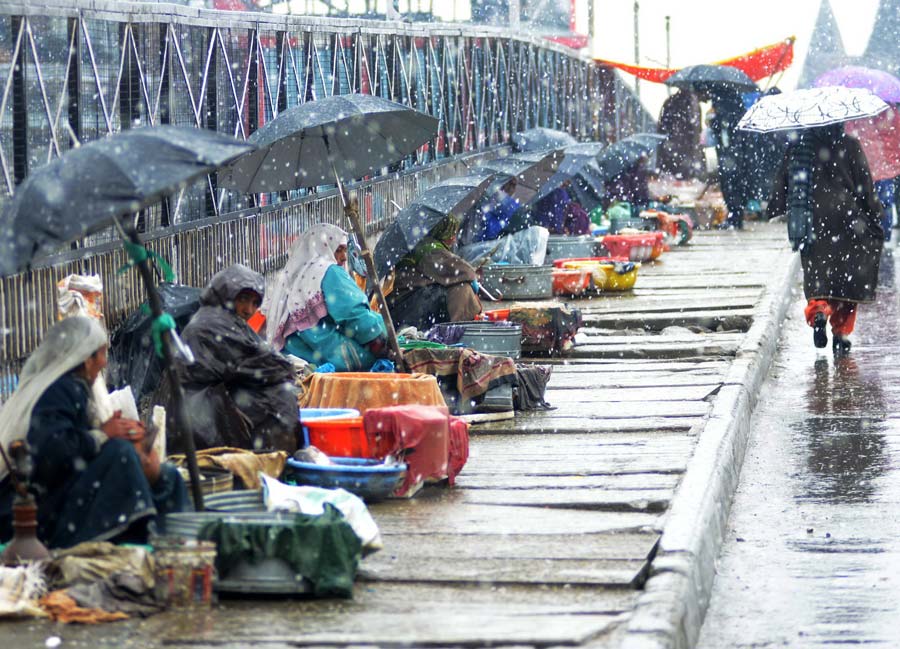
SRINAGAR: Frostbite, knife cuts, fish bites, chronic back and neck pain, and anxiety linked to political instability and the COVID-19 pandemic affect women selling fish around Dal Lake, with researchers finding that existing protection is largely limited to traditional remedies and that formal occupational safety measures are absent.
The findings are part of a research paper, Beyond the Waters: Unveiling the Occupational Hazards of Dal Lake’s Women Fish Retailers in Jammu and Kashmir, authored by Naila Majid Bhat and Arpita Sharma of the ICAR-Central Institute of Fisheries Education, Mumbai, and Rizwana Malik of the Faculty of Fisheries, Sher-e-Kashmir University of Agricultural Sciences and Technology, Kashmir. Published in the Journal of Indian Fisheries Association (Volume 51, Issue 1) in 2024, the study draws on interviews and field observations of 60 women fish retailers working in and around Dal Lake.
The researchers identify five categories of occupational hazards—cold weather, physical injuries, biological exposure, ergonomic problems and psychosocial stress—and document how the risks affect women’s health, working conditions and livelihoods.
Cold Exposure
The study found that 90 per cent of women reported frostbite, the most frequently reported cold-weather injury. The condition was associated with prolonged contact with cold water while cleaning fish and handling tubs containing fish kept in cold water.
Another 86.6 per cent reported fever, chest infections and common cold, while 83.3 per cent experienced reduced sensation in their feet. Dry skin affected 66.6 per cent, hypothermia 33.3 per cent, eye irritation 26.6 per cent and asthma 6.6 per cent.
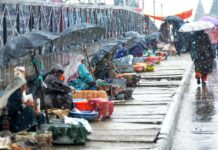
Women continue selling fish through Kashmir’s harsh winters, often on roadsides and footpaths exposed to snow and freezing temperatures. The paper notes that they carry a Kangri, the traditional firepot, to keep themselves warm during long hours of outdoor work.
The researchers found that women relied on traditional remedies, including soaking their hands and feet in hot salt water mixed with locally available herbs such as turmeric and henna. The use of protective gloves was not observed or reported.
Physical Injuries
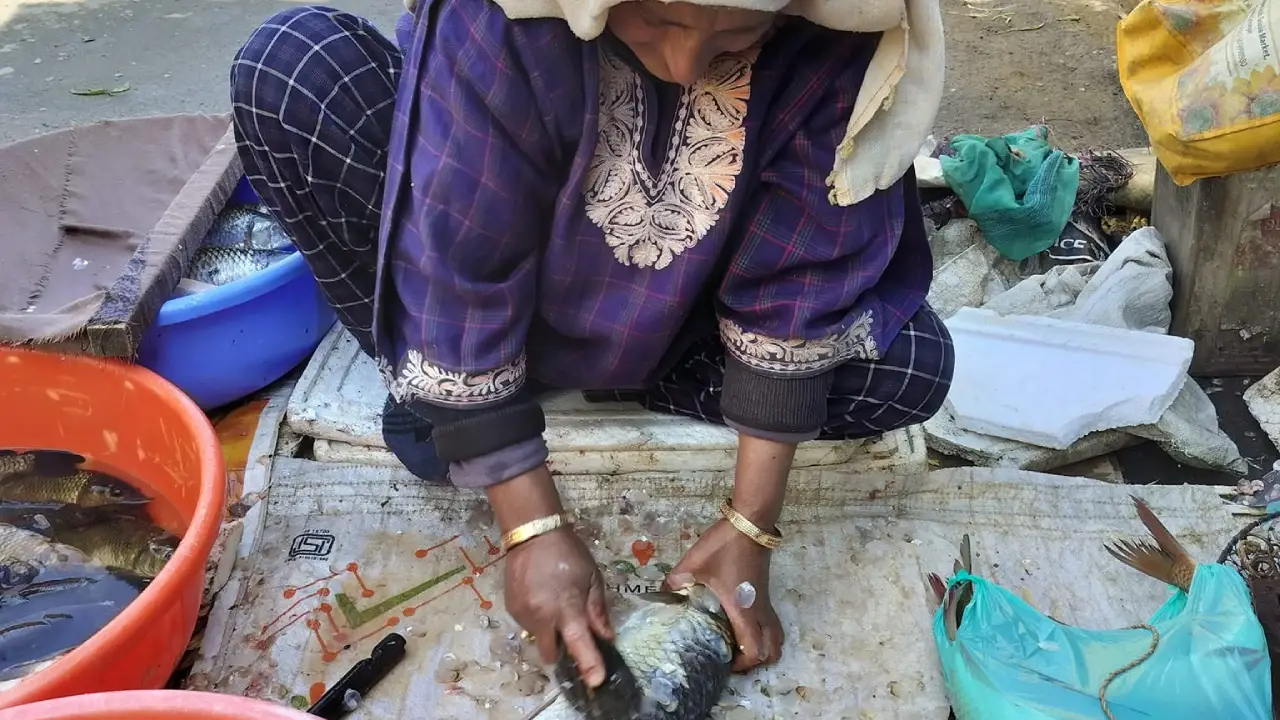
Cuts caused by fish fins and knives emerged as the most common physical injury, reported by 96.6 per cent of the respondents. These injuries occur while cleaning fish for customers.
The prolonged use of the Kangri also exposes women to burns. Eighty per cent reported burnt skin, locally known as Nare Taet, associated with keeping the firepot close to the body for warmth while selling fish.
The paper refers to the risk of prolonged Kangri use, citing earlier research linking it to Bowen’s disease and cancer. It also found that 50 per cent of the women had experienced falls while walking on frozen or slippery roads.
Biological Risks
Fish bites affected 86.6 per cent of the women, causing cuts, pain and itching while they carried tubs containing live fish.
Insect bites were reported by 76.6 per cent. The researchers linked these to the women’s dependence on roadside selling spaces, where exposure to mosquitoes, spiders and other insects adds to their occupational risks.
The paper also points to the lack of official markets and adequate hygiene and sanitation facilities as factors contributing to their vulnerability.
Physical Strain
The study also documents the physical toll of carrying heavy fish tubs to markets. The tubs, containing between 4 and 7 kg of fish and water, are carried on women’s heads over considerable distances.
Back pain was reported by 80 per cent of respondents, while 73.3 per cent experienced neck pain. The researchers attribute these problems to the weight of the tubs and the repetitive physical demands of the occupation.
Another 66.6 per cent reported knee and leg pain associated with sitting for prolonged periods at roadside selling points. The paper notes that these problems sometimes force women to remain absent from work, directly affecting their livelihoods.
Mental Stress
Psychosocial hazards emerged as another significant dimension of the study. The researchers identified political instability, conflict-related disruptions and the COVID-19 lockdown as major sources of anxiety and stress.
Anxiety or depression associated with the loss of fish demand and marketing opportunities during the COVID-19 lockdown was reported by 96.6 per cent of respondents. An identical proportion reported anxiety linked to recurring political disturbances in the region.
The study also found that 80 per cent reported high blood pressure associated with political instability, while 73.3 per cent experienced stress arising from arguments with officials over the use of roadside spaces for selling fish.
The researchers noted that years of unrest had caused substantial economic losses, with commercial activities frequently coming to a standstill. The pandemic compounded these difficulties as restrictions on mobility and consumer demand affected incomes.
The paper observes that women fish retailers faced not only economic uncertainty but also fears of infection because markets and selling spaces lacked adequate hygiene and sanitation facilities.
Livelihood Risks
The study provides an account of the working lives of women locally known as Gadhi-wajen or Gadhi Hanzen, who play an important role in sustaining fishing households around Dal Lake.
According to the researchers, 63 per cent of the respondents were between 35 and 50 years of age, while the remaining 37 per cent were above 50. About 93 per cent were semi-literate, with the ability to read the Quran, while seven per cent had received primary education. Around 21 per cent also accompanied their male counterparts during fishing activities.
The women’s working day begins early. While men generally catch fish during evening and late-night hours, women undertake the day-long task of marketing the catch across seasons, including during extreme winter conditions.
After completing household chores, they leave carrying fish tubs, lunch, weighing scales and other equipment. They sell fish door-to-door or at roadside locations, footpaths and Srinagar’s main markets. Some also travel to other districts to sell their catch.
The researchers point out that these women face additional difficulties in maintaining roadside stalls, including arguments with the Srinagar Municipal Corporation over the use of public spaces. They also continue working in areas periodically affected by violence, encounters and stone-pelting.
Safety Gaps
A central finding of the research is the absence of structured occupational safety practices among the women. Despite reporting multiple injuries and health problems, their preventive measures largely comprise traditional remedies and locally available resources.
The researchers argue that the lack of formal protection exposes women to potentially long-term health consequences. Prolonged exposure to freezing temperatures can cause permanent tissue damage, while repeated physical strain can affect their ability to continue working.
The study also highlights the absence of official selling spaces, which forces women to work in exposed roadside environments without adequate hygiene and sanitation facilities.
Policy Intervention
The authors call for occupational safety to become an integral part of fisheries development planning in Jammu and Kashmir.
They argue that policymakers, fisheries development planners and relevant authorities must recognise the specific occupational risks faced by women fish retailers and introduce appropriate safety measures, health interventions and support systems.
The study concludes that improving working conditions would serve not only the health and welfare of these women but also the sustainability of the fisheries sector.
It places particular emphasis on recognising women fish retailers as essential participants in the fisheries economy rather than treating their work as an informal extension of household livelihoods.
The researchers conclude that addressing their occupational vulnerabilities is necessary for ensuring the long-term sustainability and growth of the sector.