SRINAGAR: Nearly five years after they were conceived as a centrepiece of post-Article 370 “grassroots democracy” in Jammu and Kashmir, the future of the District Development Councils (DDCs) appears increasingly uncertain. As their five-year term approaches its end in February 2026, indications suggest the DDCs may not be allowed to complete their tenure. Instead, a quiet dismantling of these councils may be in the offing, marking yet another institutional reset in a region navigating its most significant constitutional and political transformation in decades.
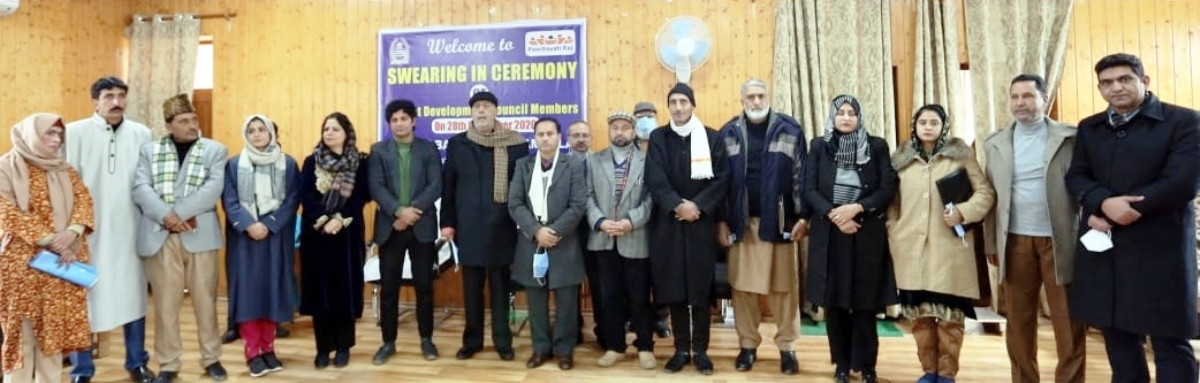
The DDCs were introduced in 2020 through amendments to the Jammu and Kashmir Panchayati Raj Act of 1989, not long after the erstwhile state was stripped of its special status and reorganised into two Union Territories. At the time, the elected assembly had been dissolved, and New Delhi pitched the DDCs as a substitute, an innovation that would bring democratic processes to the district level in the absence of state-level political representation.
Structured as directly elected bodies, the DDCs were positioned as the apex of a three-tier Panchayati Raj system that included Halqa Panchayats and Block Development Councils (BDCs). They were entrusted with overseeing district-level development and planning and became, in effect, quasi-legislative institutions across Jammu and Kashmir’s 20 districts.
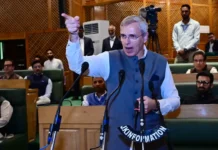
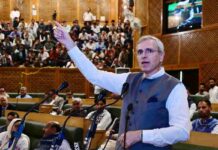
However, with the restoration of the Jammu and Kashmir Legislative Assembly through the 2024 elections, the logic underpinning the DDCs is being called into question. The revival of MLAs, along with their constitutionally backed roles and expectations, has introduced overlapping jurisdictions and an uneasy coexistence. As one senior official in the Department of Rural Development and Panchayati Raj put it, “Having two elected bodies with similar mandates in the same districts has created more confusion than collaboration.”

Since the expiry of the Panchayat and BDC tenures in January 2024, key functions at the grassroots level, such as approval of local development plans, have stalled. The government has yet to announce a timeline for fresh Panchayat elections, and with the DDCs left functioning in isolation, the entire structure appears fragmented.
“There’s no functional Panchayat Raj system in place now,” admitted one senior official. “It’s like trying to run a three-tier institution on one leg.”
Behind closed doors, senior officials in the Home Ministry are reportedly weighing the political and legal implications of disbanding the DDCs altogether. This would not only require administrative recalibration but possibly also legislative amendments, given that the DDCs, though introduced through executive action, now have a statutory character with financial and governance mandates.
Some legal experts argue that the very constitutionality of the DDCs is questionable. One of the most vocal critics has been economist and former Finance Minister of Jammu and Kashmir, Haseeb Drabu, who has repeatedly argued that the DDCs were an “unconstitutional overlay” on the state’s democratic architecture. Writing apart, he mentioned it in his speech to the India Foundation, early last year.
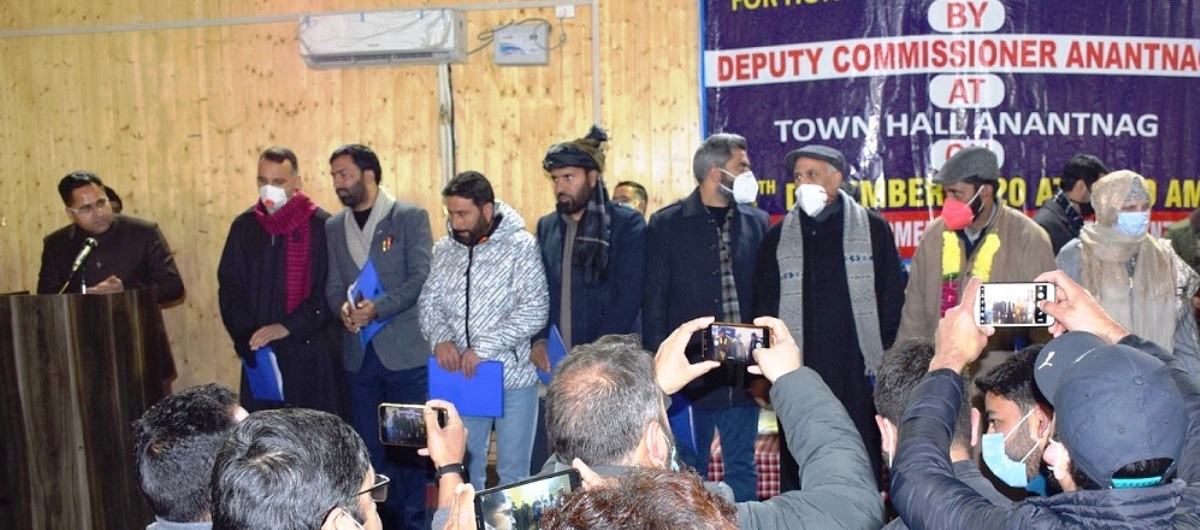
In a detailed critique, Drabu has described the DDCs as a distortion of both federalism and local self-government. He contends that by creating directly elected bodies at the district level, bypassing the traditional representative proportionality of assembly constituencies, the Centre introduced a fourth tier of governance that lacks constitutional legitimacy. More critically, he asserted the councils have blurred the lines between legislative and executive authority at the district level, thereby undermining the legislative assembly.
Far from empowering people, he wrote, the DDCs served to redirect democratic energy away from the constitutional demand of statehood to developmental concerns, fragmenting the political discourse.
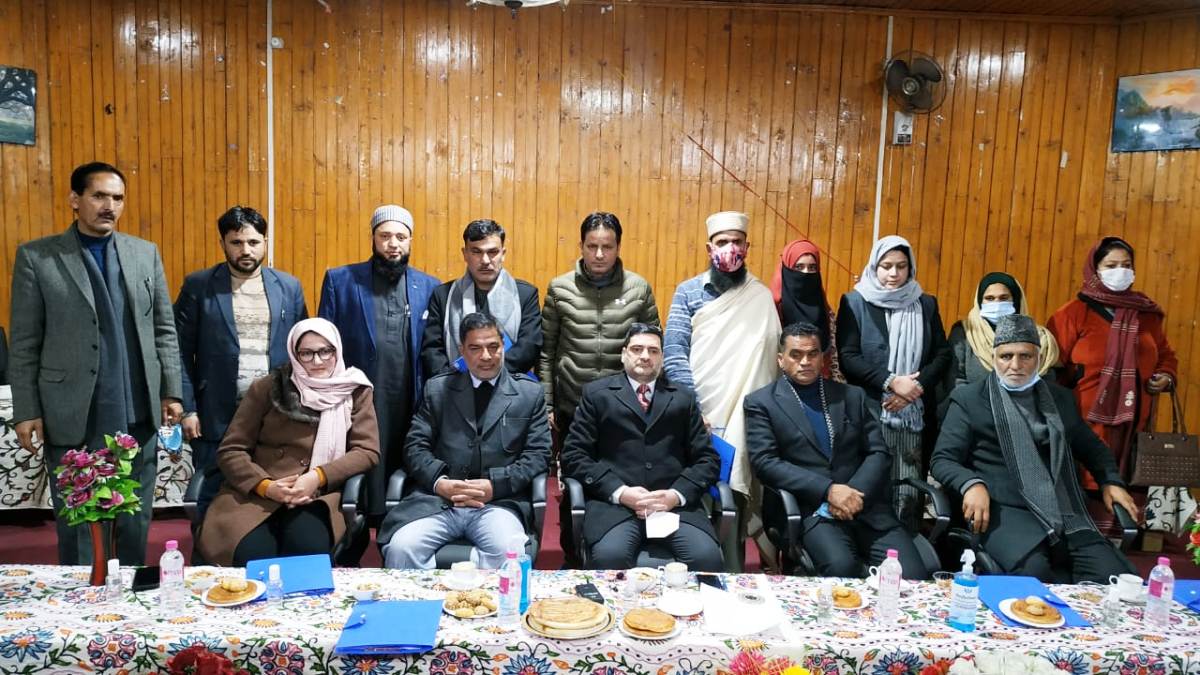
On the ground, multiple legislators have expressed frustration over unclear boundaries between the roles of DDC members and MLAs. In many districts, competition for visibility, control over funds, and influence over decision-making has become the new normal. “We’re constantly stepping on each other’s toes,” a newly elected MLA admitted privately. “There’s only one pie, but two sets of elected representatives trying to divide it.”
While DDC members continue to attend meetings and oversee development projects, the absence of the other two tiers, especially the Panchayats, has rendered many of their actions toothless or redundant. Senior officials indicate that a decision on the DDCs may be taken in the coming months, possibly after the Amarnath Yatra concludes, when the Election Commission of India also takes a call on pending by-elections in Budgam and Nagrota.
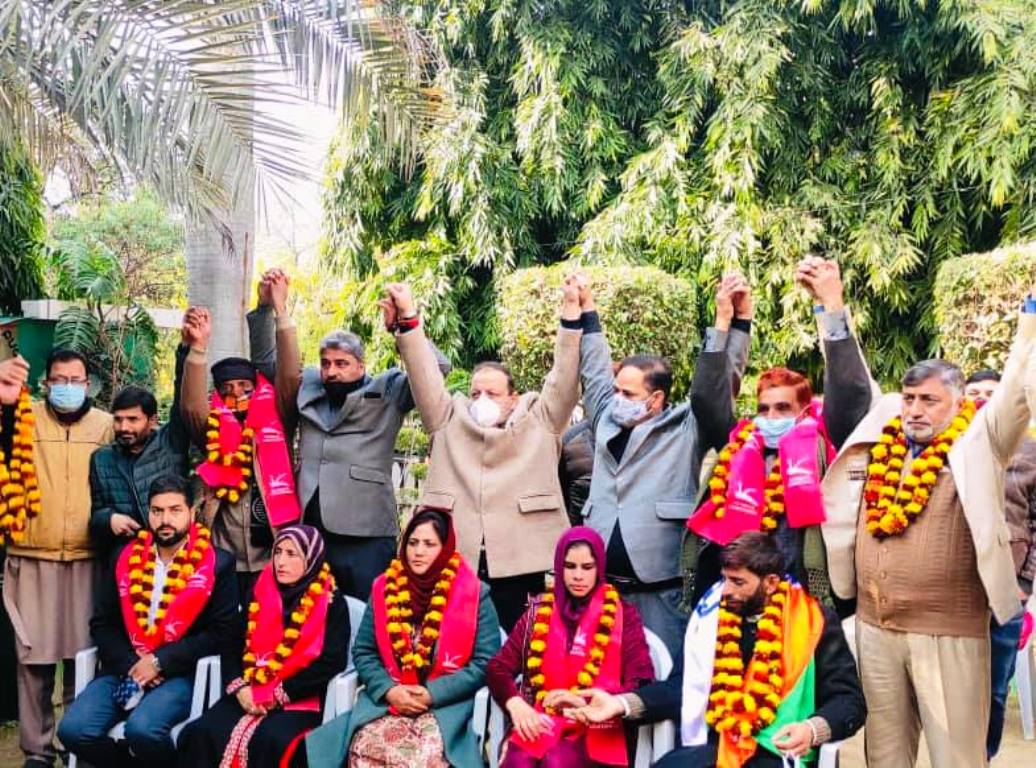
That the Panchayat and BDC elections have not been scheduled,and that their financial allocations have reportedly been slashed, points to an emerging strategy: withdraw without drama.
“The most likely outcome is a quiet burial,” a former bureaucrat commented. “The government may allow the DDCs to limp along until it’s time to hold simultaneous elections for all three tiers, and then simply not revive them.”
When they were introduced, the DDCs were touted as a bold innovation, an attempt to compensate for the absence of state-level democracy through deeper local participation. In several districts, particularly in remote or conflict-affected areas, DDC members did gain public visibility and were seen engaging in developmental debates. Some did succeed in voicing regional demands and pushing projects that might otherwise have been ignored.
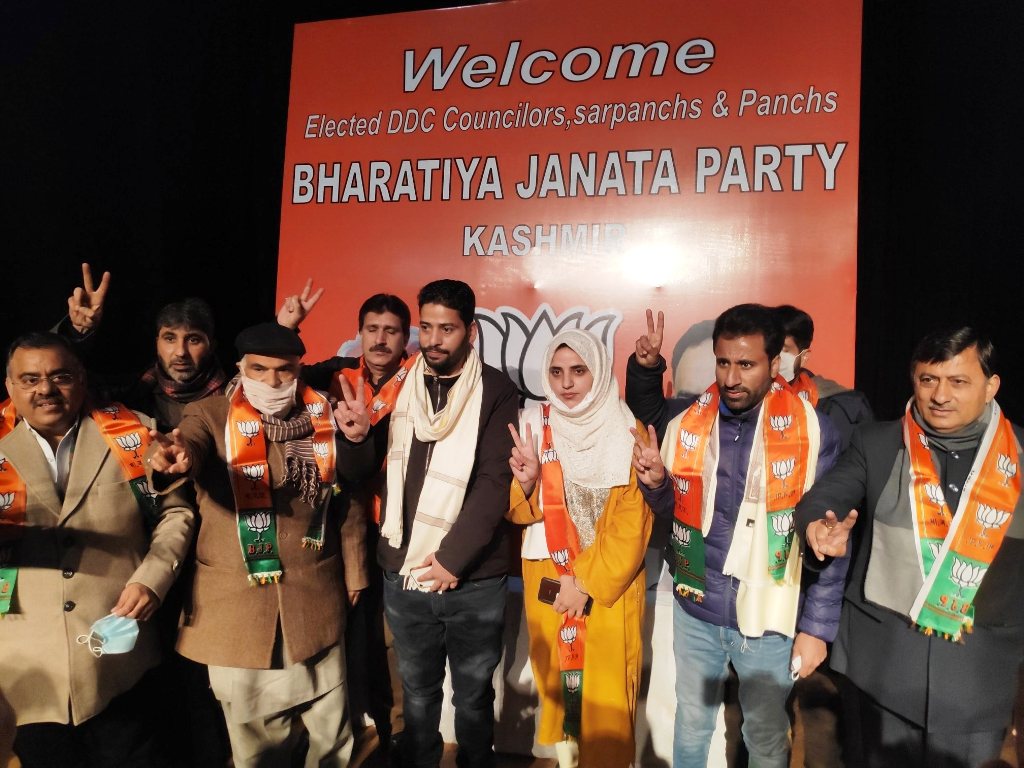
Yet, critics argue that this visibility came at a structural cost. The DDCs created an institutional distortion where unelected bureaucrats had to coordinate with parallel sets of elected officials with unclear mandates. Over time, this has led to inefficiencies, delays in project execution, and jurisdictional conflicts.
Now, with the assembly back in place, many see the continued existence of the DDCs as politically redundant and administratively disruptive. For some, the councils are a reminder of a phase of centralised control when grassroots empowerment was framed more as a compensatory measure than a genuine democratic evolution.
As Jammu and Kashmir begins a new chapter with an elected assembly and long-delayed statehood still hanging in balance, the likely phase-out of the DDCs signals a pivot back to more conventional models of representative governance.
What remains to be seen is whether this retreat from a “grassroots” model will strengthen or further complicate the already delicate political reconstruction of Jammu and Kashmir.