Donald Trump threatened to erase Persia from history. It survived. What that means for the world is only beginning to be understood, writes Masood Hussain
On the morning of April 7, 2026, the President of the United States posted a message on Truth Social that no American president had ever written. “A whole civilisation will die tonight, never to be brought back again,” Donald Trump declared in a rage post, setting the 8 pm deadline for Iran to reopen the Strait of Hormuz or face the destruction of every bridge and power plant in the country. “I don’t want that to happen, but it probably will.”
The civilisation he threatened to erase is one of the oldest on earth, and one that has heard this kind of threat before.
When the earliest emissaries of Islam arrived at the Persian court more than 1,400 years ago, legend records the reply: Persia would not follow the desert shepherds. It eventually did accept Islam, but on its own terms, retaining its language, its poetry, its administrative culture, bending the faith into something distinctly Persian. That capacity to absorb a conquering force and emerge, changed but intact, on the other side is the oldest habit of Iranian civilisation. It is also what the 40-day war of 2026 put on display, one more time, for a watching world.
By nightfall on April 7, Trump had backed down. The ceasefire was announced 90 minutes before the deadline had expired. Iran survived again.
The Forty Days
On February 28, 2026, the USA and Israel launched Operation Epic Fury, the largest American military operation in the Middle East since the 2003 invasion of Iraq. The opening strikes assassinated Supreme Leader Ayatullah Ali Khamenei in the first hours. His son Mojtaba swiftly succeeded him. The strategic logic was legible: Iran was weakened by years of sanctions, shaken by the largest domestic protests since 1979, and militarily diminished after the June 2025 12-day war. The United States and Israel calculated that a window had opened.
The assessment was not wrong about Iran’s weakness. It was wrong about what weakness means.
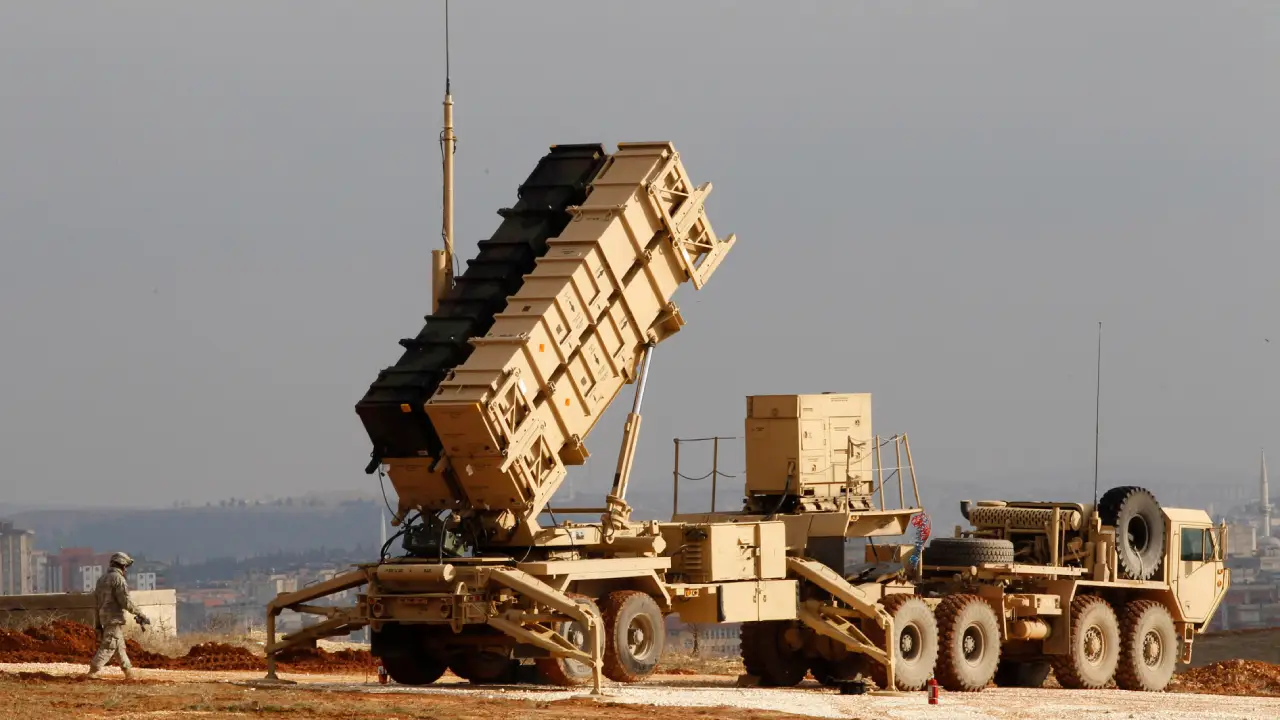
What followed was not the rapid capitulation the models predicted. Iran launched missile and drone attacks against Israel. It struck energy infrastructure across Saudi Arabia, Qatar, Kuwait, Bahrain, and the UAE, apparently targeting the US bases. It closed the Strait of Hormuz, through which a fifth of the world’s oil passes, triggering a global supply shock. Iranian President Masoud Pezeshkian announced that 14 million Iranians, including himself, had volunteered to fight. Young people formed human chains around power plants and bridges, shielding them with their bodies.
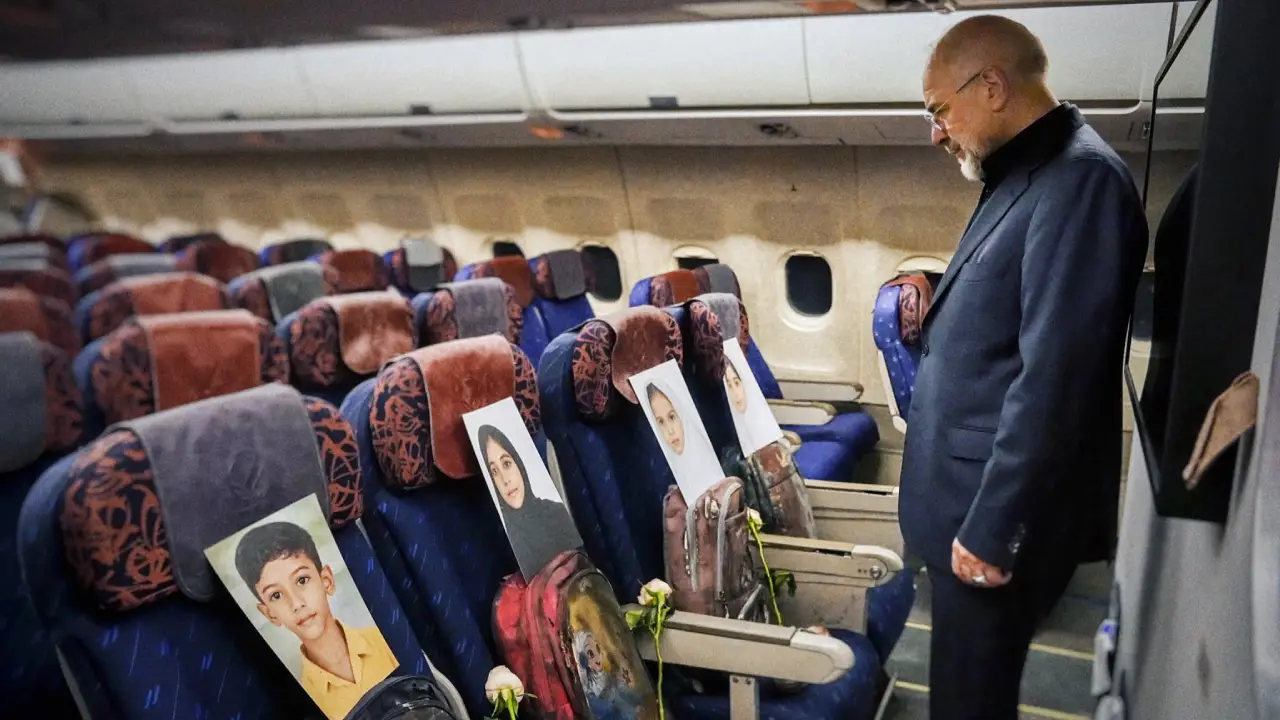
By Day 40, more than 5,000 people had been killed across nearly a dozen countries. Over a million were displaced in Lebanon alone. The Pentagon said it had struck over 11,000 targets, lost 13 service members with more than 365 wounded, and spent an estimated $35 billion. Then, with Pakistan on the line requesting an extension, Trump agreed to a two-week pause.
A Peculiar State
The Islamic Republic that survived this war is a political construction without a clean precedent. Ayatollah clerics sit at its formal constitutional apex, but beneath them runs a modern state apparatus of competitive elections, rival factions, scientific institutions, and military engineering that would not look out of place in any technically advanced nation.
Its universities produce more science and engineering graduates per capita than most countries in the region. Its STEM sector is notably dominated by women, in a country that mandates the hijab. Its military does not merely buy weapons; it designs and builds them.
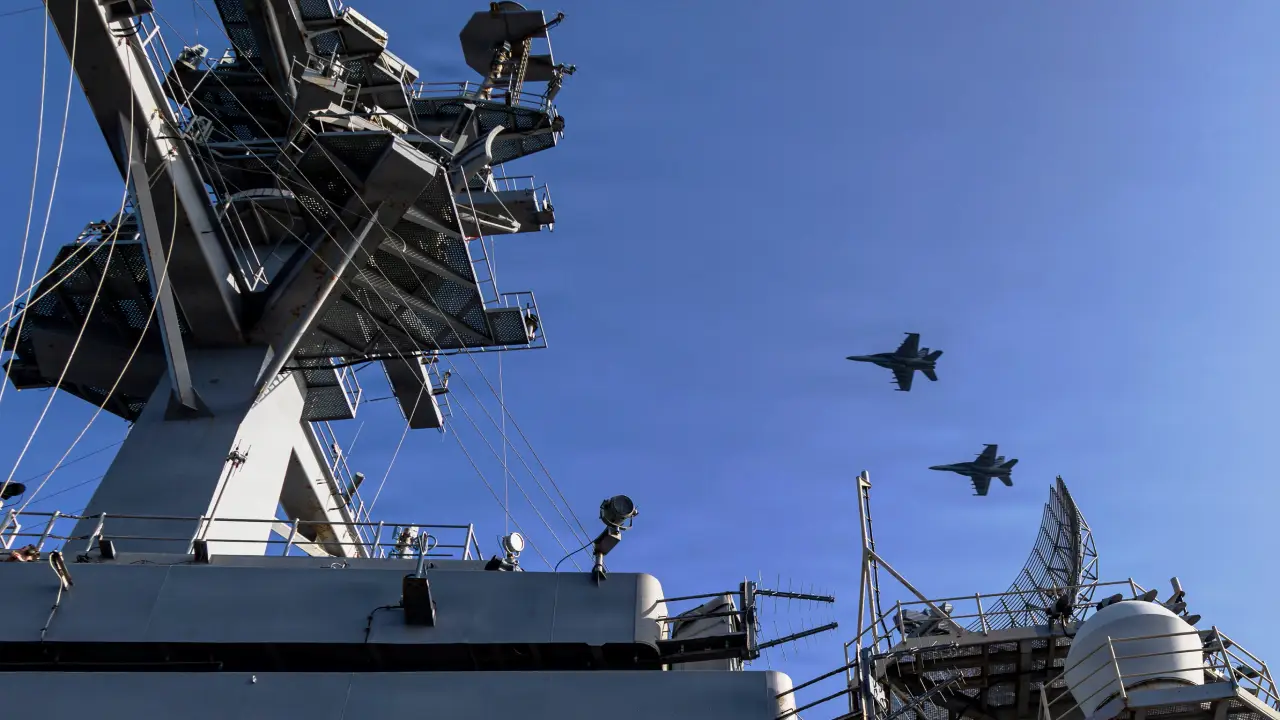
During the war, Iran used what Western analysts described as “vintage, old-dated equipment” to strike some of the most advanced military hardware on earth, and made world news doing so. Aircraft carriers, the floating symbols of American global dominance, were kept at range by Iranian missile capabilities.
This combination, unique governing theology, technical modernity, and civilisational depth, is what makes Iran so persistently difficult for Washington’s strategic models to process. The models are built for states that behave predictably. Iran, shaped by millennia of survival under foreign pressure, does not.
It is also a state that has built itself into self-sufficiency in ways that astonished the world during the conflict. Today, 97 per cent of its pharmaceuticals are manufactured domestically. It produces over 98,000 MW of electricity from domestically built turbines. It is the largest vehicle manufacturer in the Middle East and ranks among the world’s top 20 steel producers, with output comparable to that of Germany. CNN crews in Tehran during the war noted that shops were open, supermarkets were stocked, and bazaars were functioning. No panic. This was the visible product of four decades of enforced self-sufficiency, a sanctions regime that Iran had turned into a forge.
Iran’s Three Milestones
Iran’s elevated standing in the Muslim world after this conflict is not new. It is the third chapter of a story that began in 1979.
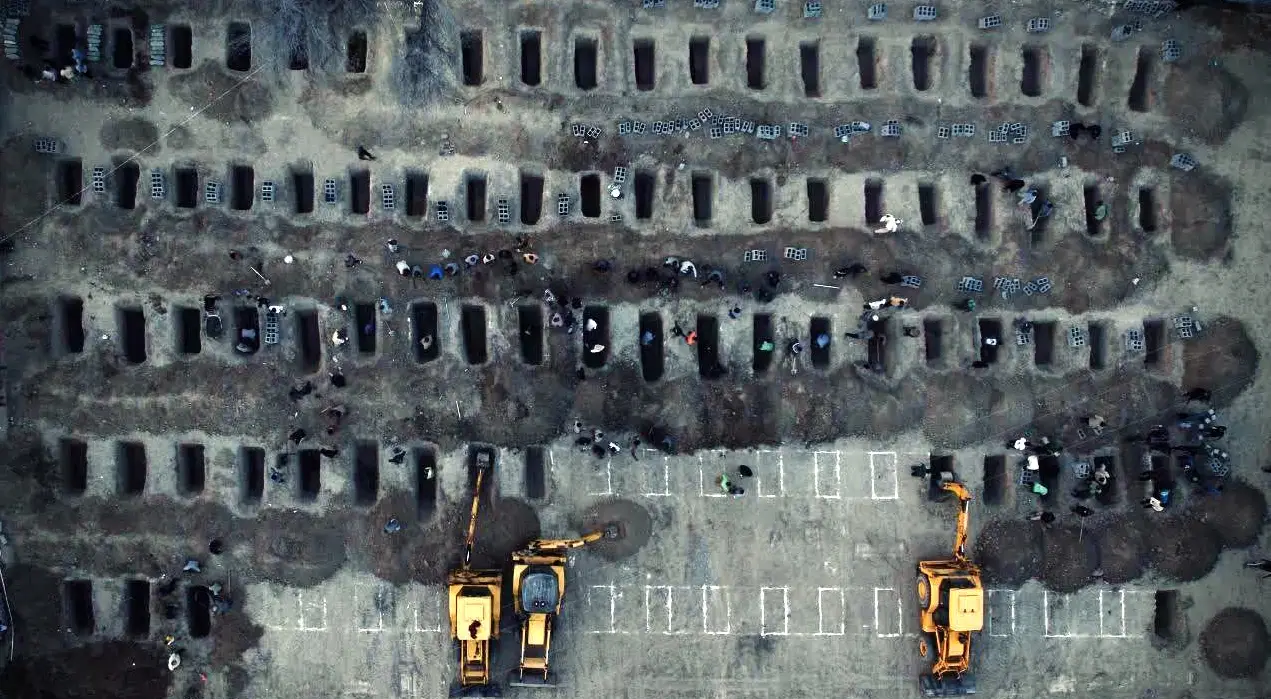
The first milestone was the revolution itself. It came at a moment when modernity was the default aspiration of Muslim cosmopolitan cities from Tehran to Karachi, and Islam was widely seen, including by many Muslims, as a relic to be managed rather than championed. The revolution changed that with remarkable speed. It made political Islam not merely viable but fashionable. The hijab and the niqab became cultural exports from Iran, icons of a defiant, assertive identity that spread far beyond Shia communities across the full breadth of the Muslim world.
The second milestone was what Iran did with the sanctions. Cut off from global trade, technology, and financial systems, it turned inward and built. That self-sufficiency, pharmaceutical, industrial, agricultural, and military, was not just an economic achievement. It became a demonstration that a Muslim-majority nation could stand alone and still function. The forty-day war made this visible to the world in real time.
The third milestone is the war itself. Iran faced the combined military power of the United States and Israel, without a formal ally, without NATO-equivalent backing, with China and Russia offering, apparently, only UN veto support. It fought for 40 days. It closed the world’s most strategic maritime chokepoint. And it extracted a ceasefire on terms it described as a near-total achievement of its objectives. It’s winning, as one analyst put it, is its survival. Some Muslims view Iran’s resistance as the first major civilisational pushback, within the logic of the Clash of Civilisations, since the fall of the Ottoman Empire
A GCC Dilemma
Among the stranger features of the war was the behaviour of the Gulf Cooperation Council (GCC) states. American military bases on their territory were struck. Their oil infrastructure was damaged. And not one GCC country retaliated. Not one joined the war.

The reason was discussed quietly in Gulf capitals, even if rarely stated in public. Most GCC governments were privately convinced that Trump was fighting Netanyahu’s war, that the intelligence driving American decision-making was flowing from Mossad rather than the CIA. In Riyadh, Abu Dhabi, and Doha, the consensus was that this was not their fight.
Beneath this official caution, something was moving in the streets. In several Muslim countries whose governments formally condemned Iranian strikes on American bases, ordinary citizens quietly celebrated. The gap between official position and popular mood was wide and visible. It crossed the Shia-Sunni divide that has structured Middle Eastern politics for decades as a result of “exports” from Jeddah and Tehran to Muslim societies outside their territory. The 40 days did not erase sectarian difference, but they subordinated it to something larger. The sight of a Muslim nation absorbing the combined military weight of the United States and Israel without breaking unfolded while no Arab government moved to assist Washington.
This conflict has, in that sense, done more to erode the Shia-Sunni fault line than a decade of diplomatic effort. It is a fragile and politically ambiguous solidarity. It carries no policy programme. But it is real, and it will shape how political leaders in Muslim-majority countries calculate their interests for years.
The Strait and the Reckoning
The single most consequential act of the war may have been neither a missile strike nor an assassination, but the closing of a ribbon of water 33 kilometres wide. When Iran shut the Strait of Hormuz, the global economy shuddered. Fuel prices spiked across Asia. Shipping rerouted. Oil markets swung violently. The 15 per cent crash in oil prices on the day of the ceasefire details, in the language markets speak, how much of the world’s economic life had been held in suspension.
Iran’s 10-point peace proposal contained a detail that caught financial analysts off guard. It proposed a permanent protocol for passage through the strait under Iranian military coordination, with a transit fee of $2 million per ship. At pre-war volumes of roughly 120 vessels per day, analysts calculated this would generate over $87 billion per year, substantially more than Iran’s entire pre-war oil export earnings. “Iran did not submit a peace proposal,” wrote one financial analyst. “It submitted a post-war constitution for the Strait of Hormuz.”
Washington rejected the toll structure. But the fact that it was proposed, and that global markets rippled at the possibility, is itself a measure of what has shifted.
The comparison that keeps surfacing in strategic discourse is with the Suez Crisis of 1956, when Egypt’s nationalisation of the canal demonstrated that the era of unconstrained European imperial power had ended. Suez did not destroy British power. But it ended the illusion of it. In 2026, Iran’s control of the Hormuz approaches performed a comparable function: it demonstrated that geography does not yield to airpower, however overwhelming.

A Pause, Not a Peace
The two-week ceasefire is not peace. The US Joint Chiefs were direct: “a ceasefire is a pause, and the joint force remains ready if ordered or called upon to resume combat operations.” Iran was equally direct: “Our hands are on the trigger.”
Phase-two negotiations begin on April 10. Three deadlines converge in the same week: the US waiver on Iranian crude expires April 19, and the ceasefire window ends around April 21. The gap between Washington and Tehran does not split the difference. The United States will not accept a permanent Iranian toll on global commerce. Iran will not dismantle what four decades of ‘sacrifice’ have built. One side must abandon its core framework entirely, and neither shows signs of doing so.
What has changed, permanently, is the map of leverage and perception. Iran demonstrated that the Strait is a weapon it can deploy. The GCC showed it will not be conscripted into American campaigns. Europe stood aside. China and Russia, without firing a shot, emerged with enhanced influence. Pakistan played the pivotal peacemaker. And across the Muslim world, a narrative hardened: that a poor, sanctions-crippled nation had absorbed the combined might of a superpower and its most capable regional ally, and kept standing.
Trump’s threat to erase a civilisation accomplished something he cannot have intended. It reminded that civilisation, and the world watching, that Persia does not go quietly. That it has outlasted empires, more certain of itself than any now contending for influence in the Middle East.
Iranian civilisation did not perish on the night of April 7; if anything, it endures as the oldest continuous presence among us.
Post Script
Islamabad Talks have not been succeeded in breaking the ice despite the fact that the US and iran delegation met each other face to face for the first time afer 1979 revolution.