Days after the 2016 Uri attack, Prime Minister Modi asserted that blood and water cannot flow together. In April 2025, he presided over the CCS meeting that finally decided to keep the Indus Water Treaty in abeyance till Islamabad abjures terrorism irrevocably. This marks the beginning of a water war that experts had been predicting for years, writes Masood Hussain

Whether or not diplomacy prevails in preventing an imminent military confrontation between India and Pakistan, experts believe that the abeyance of the water sharing Indus Water Treaty could gradually but surely impact Pakistan in the long term. It is anticipated to hit the small country’s frail economy severely, as Pakistan is already facing the music on the climate change front. The fountainhead of most of the waters that flow into the agriculture of Pakistan is in India, especially Kashmir.
Water has remained the key area of discord between India and Pakistan from the very day they became young nations in August 1947. The water tensions between the two neighbours were an indirect outcome of the first Kashmir war that the two countries fought. On April 1, 1948, India stopped water flow to Pakistan from the Ferozepur headworks on the Sutlej, over non-payment of dues, prompting fears of water insecurity in Pakistan. This led to a standstill agreement and later the World Bank stepped in and over the next more than a decade, the two countries with third party mediation were able to reach a stage when Prime Minister Jawahar Lal Nehru and Pakistan President and dictator Ayub Khan signed the Indus water Treaty on September 19, 1960, in presence of World Bank representative WAB Iliff.
The Treaty gave India exclusive use of three Eastern Rivers – Ravi, Beas, and Sutlej. As Pakistan claimed it would hit agriculture, its mainstay, the US, UK, Canada, Australia, Germany, and New Zealand joined hands to raise about US$ 895 million to fund its replacement works, including link canals, storage dams, and barrages.

In lieu of it, Pakistan was given rights over the three Western Rivers – Indus, Jhelum, and Chenab, though India can use them for limited non-consumptive purposes, including hydropower. A general belief is that Pakistan has rights over 80 per cent of the discharge.
The talks were tough and almost collapsed many times. However, the diplomacy saved the situation and drafted a water sharing arrangement that survived political, military, and diplomatic tensions and almost three wars, including Kargil in 1999. The treaty has an elaborate mechanism of sharing data, designs of the upcoming projects and a very elaborate dispute resolution mechanism. There is a Permanent Indus Commission between the two countries that is always in contact and is empowered to manage ‘questions’ – the basic dispute, at its level. If they fail, they can go to a Neutral Expert with the ‘difference’ or to a Court of Arbitration with a ‘dispute’.
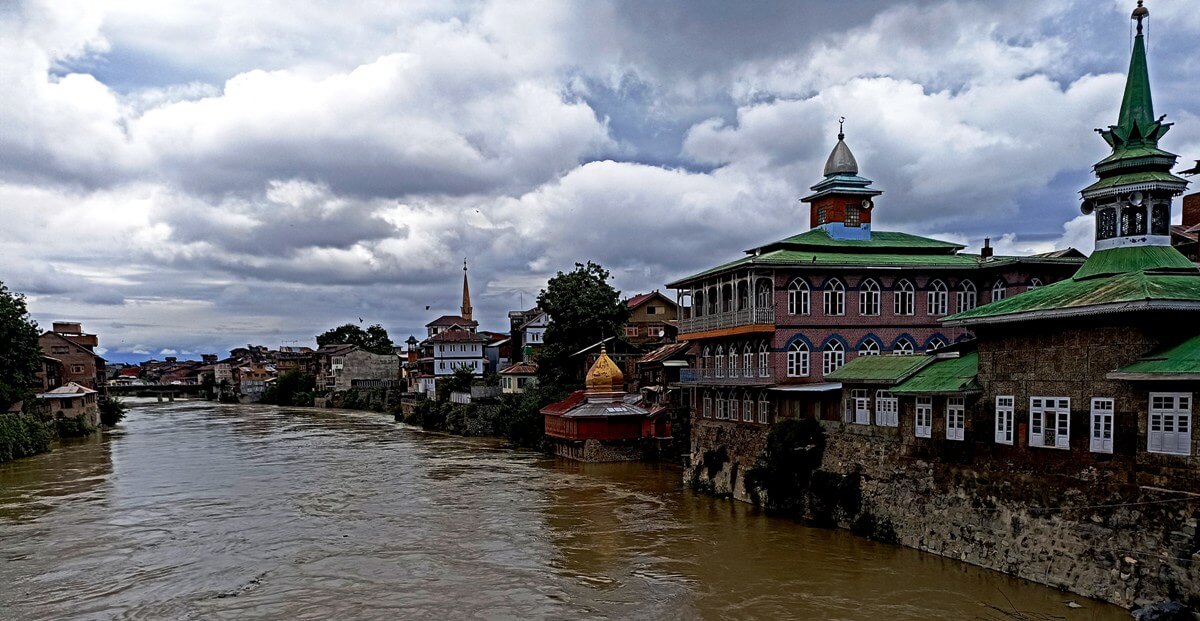
The Story So Far
Before the water sharing treaty came into being, Pakistan received more than seven million acre-feet (MAF) a year, according to open source data. After India got the exclusive rights over the transboundary Ravi river, originating from Himachal Pradesh, massive investments were made in using water for irrigation and clean energy. Thein Dam (Ranjit Sagar Dam) and the Shahpur Kandi Barrage were constructed.
As a result, under normal conditions, almost no Ravi water, which originates from Kullu hills, flows into Pakistan except during floods or unintentional releases. With the recent completion of the Shahpur Kandi Dam Project in 2024, part of the water is given to Jammu and Kashmir, further curtailing any spillover to Pakistan. Jammu and Kashmir is a small partner in the storage project. However, open source information suggests that the total annual flow of the Ravi River in India up to its final crossing point into Pakistan is 11.52 million acre-feet, of which 6.971 MAF is available upstream of the Madhopur headworks and around 4.549 MAF, originates downstream of Madhopur, continues to flow into Pakistan.

Beas is not a very different story. Originating from Rohtang pass, from the days of an unrestricted flow, the river witnessed extensive development under the Beas Project for both irrigation and hydroelectric power generation. In Himachal, the Pong Dam was completed in 1974, and it powers a 396 MW project. In 1977, the Pandoh Dam was laid, which diverts water through tunnels to run the 990 MW Dehar Power Station on the Sutlej River, thereby connecting the Beas with the Sutlej. Besides, the Shahnehar canal, originating from the Shahnehar barrage just downstream of Pong Dam, provides water for irrigation and supplies four cascading powerhouses known as the Mukerian hydel project, which together generate 207 MW. At the confluence of the Beas and Sutlej rivers, the Harike Barrage diverts their combined flows to irrigation canals serving Punjab and Rajasthan. There is not much of the discharge that crosses the Redcliff Divide.
Sutlej, the largest of the Indus Water River system, originates from Tibet and flows from Rakshastal lake. Primarily allocated to India, Pakistan retains rights to certain non-depletable flows, those not stored or diverted by India, especially during the kharif season (April to September). India manages the river waters through major structures like the Bhakra Dam (Himachal Pradesh), the Nangal Dam, and the Harike Barrage (Punjab), while also diverting substantial water to Rajasthan via the Indira Gandhi Canal. Although historical discharge into Pakistan averaged around 14 to 15 MAF annually before the construction of Indian dams, current flows have dropped to an estimated 2 to 4 MAF per year, according to open source data.
The Western River Story
Given the Treaty obligations, Pakistan has rights over most of the waters, and India is permitted to utilise 20 per cent of the discharge in non-storage run-of-the-river projects. Pakistan has constructed Mangla Dam and Tarbela Dam to harness the Western River flow to manage its eastern river discharge deficits.

Fed primarily by snowmelt and glacial runoff, the Indus River from Lake Mansarovar enters India in Ladakh from Tibet. It has an average annual flow of approximately 10 to 12 MAF, with nearly 80 per cent of the discharge occurring during June to September. Downstream at Nimu, just before the river crosses into Pakistan, flows have declined from around 15 MAF in the 1950s to about eight to ten MAF in recent years, largely due to climate-related changes. MHPC, India’s hydropower giant, runs two power projects, including Nimoo Bazgo (45 MW) and Chutak (44 MW), both of which involve minimal water diversion and do not significantly alter the river’s flow.
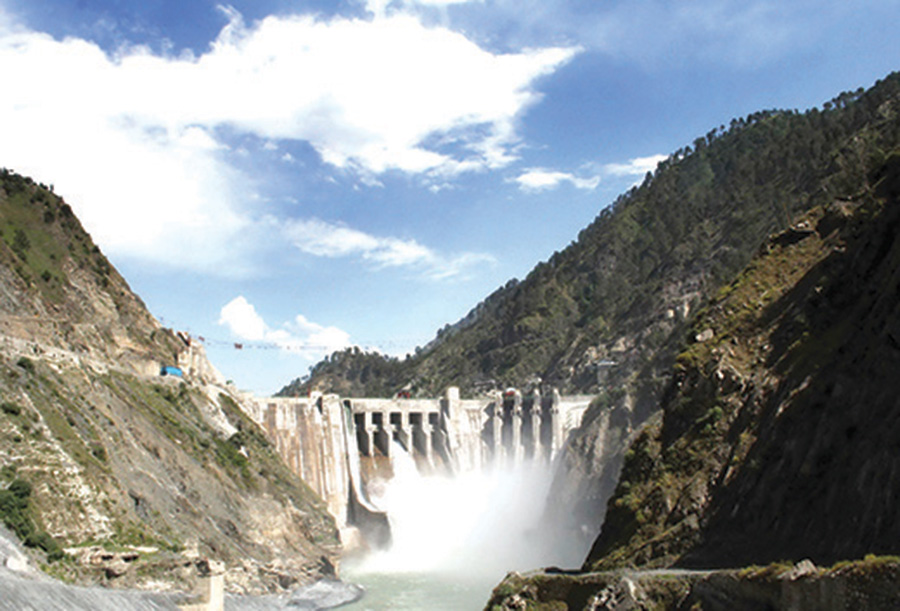
Rising from Lahaul-Spiti in Himachal Pradesh, the Chenab River shows a decline in average annual flow from around 30 MAF in the 1950s to around 25 to 27 MAF in recent years. Downstream at the Dul Hasti, the regulated post-dam flow is estimated at 24 MAF per year. Starting from Salal (the main project on which NHPC took off), in Reasi, India developed several run-of-the-river power projects in the Chenab basin, making the river the powerhouse of Jammu and Kashmir. There is Jammu and Kashmir-owned SDPC’s 900 MW Baglihar Dam, which slightly reduces downstream discharge to about 22 MAF annually and the 690 MW Salal Dam, which involves no significant storage and lacks any impact on river flow.

There are, however, various projects in different stages of implementation, and all of them have their dam systems in place. These include 830-MW Ratle, 1000-MW Pakal Dul, 624 –MW Kiru, 540-MW Kwar and 800-MW Bursar.
Kashmir’s Jhelum River, originating from Verinag, has experienced a decline in its average annual flow from around 9 to 10 MAF in the 1950s to approximately 7 to 8 MAF by 2024, due to climatic changes and upstream diversions. At the Uri Dam site, the post-dam flow is estimated at 6.5 MAF annually, primarily for hydropower purposes. Apart from small JKSPDC power projects, the NHPC runs two major power stations on the river – the 330 MW Kishanganga Hydro Project, which diverts water from Kishanganga into the Jhelum; and a series of projects in Uri.
In 1997, 480-MW Uri-1 was formally thrown open. Later, the government tunnelled the Kishanganga water from Gurez to Bandipore, generated power, and later diverted it to Wullar Lake. Improved water levels in Wullar Lake helped NHPC to set up 240-MW Uri-II in 2014. Now it is adding a second stage to Uri-I and generating an additional 240 MWs. At Uri alone, NHPC would soon be generating 960-MW of clean energy by pushing the same waters from one penstock to another. It remains a run–of–the–river project, however.
Water Management
The Treaty is an elaborate document on how the river flow needs to be managed daily. From a possible surge or fall in flow, to any intervention on the upper riparian side (India) needs to be communicated on a real-time basis. All projects conceived need to be approved by the other side. There is a dispute resolution mechanism, which has guided the Treaty to stay relevant to the requirements of both sides, albeit amid tense battles that India and Pakistan fought in Geneva and The Hague. From the design of a storage facility to the filling of the dams, everything is guided by the Treaty. In 1978, when NHPC started filling the Salal Dam, India had to release equivalent waters from the Sutlej River to Pakistan.

The dispute resolution is three-tiered. Certain things are being settled at the Permanent Indus Commission level, which has members from both sides. If they fail to arrive at a consensus, the aggrieved party can go to the World Bank, which appoints the Neutral Expert. If the Neutral Expert’s decision is still not acceptable to one of the two parties, the case goes to the Court of Arbitration, which is appointed by the World Bank.
As climate change is impacting the water levels, gradually by surely, the populations have increased manifold, and the waters in the Indus River systems are becoming a very contentious issue. The Treaty signed in 1960 has remained immune to any fresh interpretation for all these years, even when the technology, design systems have changed fundamentally. This was pointed out by Professor Raymond Lafitte, the Neutral Expert, who settled the “difference” between India and Pakistan over Baglihar in 2007. He suggested that the two neighbours must use new technologies and new standards and practices of design so that the Treaty can open up new methods of “satisfactory construction and operation of the works” besides “sound and economic design” for mutual benefits.
A Dispute Chart
With no formal system in place, there were no issues initially. After the document was signed, India started exploring possibilities of investing in clean energy on the Western river system. The first was an informal joint venture between the power department of the Government of India and the Jammu and Kashmir government. It was Salal in Reasi that was supposed to be a joint property. Well before the state government could stake its claims as the stakeholder, NHPC was constituted, and Jammu and Kashmir’s rights were devoured. Many years later, when a cabinet committee started hunting for the basic documents, these were found to have been stolen from Jammu and Kashmir’s records.
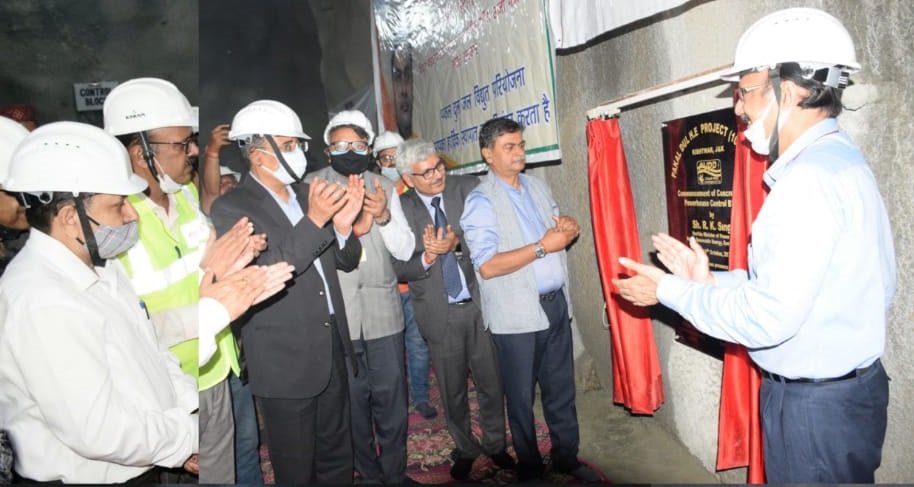
Interestingly, however, Salal emerged as the first major dispute between the two neighbours sharing the same river system. A crisis emerged soon after the signing of the Simla Agreement in 1972, and Delhi decided not to contest and decided to accommodate Islamabad’s concerns. Pakistan had issues over the project design, the dam height, and the sediment management. In the same Simla bilateral spirit, foreign minister Atal Bihari Vajpayee and Pakistan’s foreign secretary Agha Shahi signed an agreement in Delhi on April 12, 1978. The “concessions” envisaged reducing the spillway gates by 10 ft to 30 ft and permanently sealing the under-sluices. Though celebrated as a diplomatic success, the compromise gravely undermined the dam’s functionality. By and large, its dam is a silt-filled tank that would require a fortune for clearing the muck load, which has reduced its capacity by almost 57 per cent.
The second dispute was the Tulbul Navigation Project (the Wullar Barrage). It was initiated in 1984 to improve navigation along the Jhelum River. Pakistan objected, calling it an illegal storage project and took the matter to the Permanent Indus Commission in 1986. India halted work in 1987 following these objections. Multiple rounds of negotiations took place until 2006, but without resolution. Over time, the strategic and commercial relevance of the project diminished, and India, possibly prioritising broader bilateral peace, effectively abandoned the initiative, making Tulbul the longest-running unresolved issue under the treaty. There were around 13 rounds of talks, but the issue could not be resolved. Of late, there have been reports of some constructions at Ningli, but the latest status remains unknown.
A decade later, the Baglihar on the Chenab became the first case to be formally adjudicated through the World Bank’s dispute resolution mechanism. Pakistan objected to the gated spillways and storage design as soon as India notified the project in 1992, and escalated its protests after India signed construction contracts in 1999. In 2005, Swiss engineer Raymond Lafitte was appointed as the Neutral Expert. Pakistan had gone to NE with six ‘differences’. Lafitte delivered his final verdict on February 12, 2007, in which he directed India to reduce the pondage capacity by 13.5 per cent, lower the dam structure by 1.5 metres, and raise the power intake tunnels by three metres. However, he dismissed Pakistan’s objections regarding the height and gated control of the spillway, asserting these were in line with the engineering standards of the time. He favoured India and Pakistan on three objections each and asked them to share the cost of the arbitration.
Unresolved Issues
A crisis emerged between India and Pakistan soon after the design of the 390-MW Kishanganga project was shared. Islamabad objected to the inter-tributary transfer of water and took the case to the Court of Arbitration (CoA). Under the Treaty, technical issues are to be tackled by a Neutral Expert and the interpretation of the treaty by a CoA. Unlike the NE award, the CoA is binding on both sides. The award came in 2013, and CoA permitted inter-tributary transfer but asserted India must permit a 9 million cubic meters flow for the downstream requirements during the dry season. Islamabad still had technical issues, for which it required a fresh process.
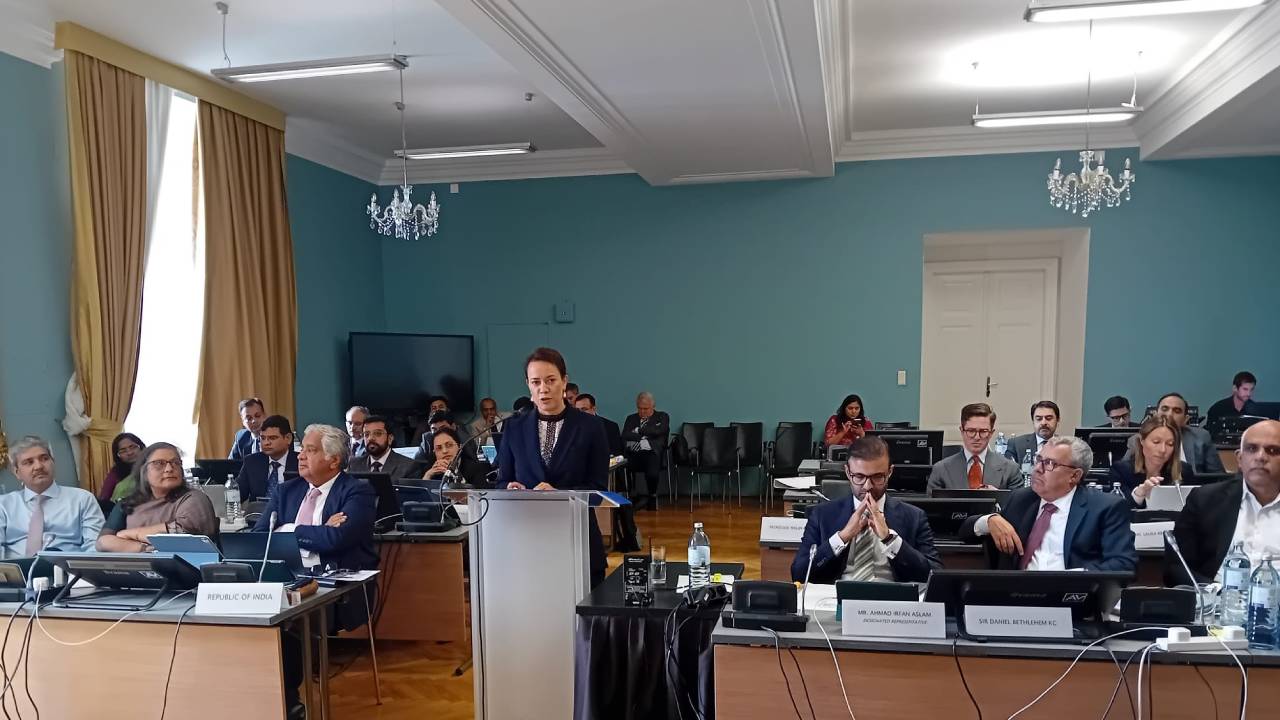
By then, Islamabad had issues with the Chenab basin Ratle power project. The dispute management took an interesting turn. On July 3 and again on November 12, 2015, Pakistan requested the appointment of a Neutral Expert over the Kishanganga and Ratle disputes. On August 19, 2016, Pakistan approached the World Bank seeking the formation of a Court of Arbitration, while India, on October 4, sought the appointment of a Neutral Expert.
Responding to these conflicting requests, the World Bank paused further action on December 12, 2016, but lifted the pause in 2022. It then appointed Michel Lino as the Neutral Expert and empanelled a five-member Court of Arbitration led by Prof Sean D Murphy on October 17, 2022. India strongly opposed the parallel proceedings, maintaining that they undermine the sanctity of the Treaty. It formally rejected the legitimacy of the CoA, stating that any coordination between it and the Neutral Expert would deepen the error of dual processes and cast doubt on even the Neutral Expert’s role.
As a result, India has boycotted the Court of Arbitration sessions in The Hague but continues to participate in the Neutral Expert proceedings in Vienna, which both countries attend. It was in this backdrop that India issued its first formal notice to Pakistan on January 1, 2023, seeking modification of the Treaty, followed by another notice on August 30, 2024.
Will the parties continue to attend the NE court after Delhi kept the Treaty in abeyance? Only time will offer an answer.
Given the scale of various hydropower projects on the Chenab basin, more tensions are erupting in the coming days. By the next 10 years, five more projects with some form of dams will be operational in the Chenab basin, and this dam network will be able to retain additional discharge. Since Pakistan’s agriculture is primarily linked to the flow from the three rivers, it is anticipated to be in a crisis.
Perceptions and Possibilities
A general perception is that water is something that cannot be stored as long as flow continues. The government will have to make a lot of investments in the near future to build the required infrastructure. Under the Treaty, India has rights over 20 per cent of the discharge, which it has not been able to use since 1960.

Reports appearing in the media suggest that the Centre is planning a comprehensive study to explore ways to maximise India’s use of water from the Indus, Jhelum, and Chenab rivers. Two high-level meetings, one at the Prime Minister’s Office and another at the Ministry of Home Affairs, deliberated on three key strategies. First, expediting the construction of ongoing hydropower projects such as Ratle, Pakal Dul, Kiru, and Kwar. Second, accelerating the approval and groundwork for four proposed projects: the 1,856 MW Sawalkot, 930 MW Kirthai-II, 260 MW Dulhasti Stage-II, and 240 MW Uri-I Stage-II. Third, initiating a rapid techno-feasibility study for a potential tunnel to divert water from the Chenab River.
In the HM presided meeting, Jal Shakti Minister CR Paatil said the government has resolved to ensure that not a single drop of water flows into Pakistan. While the government is formulating a long-term strategy, officials acknowledged that inadequate infrastructure may limit India’s immediate capacity to fully harness the water now available.
“The treaty has no provision for unilateral suspension. On the eastern rivers, India is already utilising most of its allocated share. The real issue is with the western rivers — Indus, Jhelum and Chenab — where infrastructure limitations prevent us from immediately stopping water flows,” Himanshu Thakkar of the South Asia Network on Dams, Rivers and People (SANDRP) has told reporters. “We have several projects underway in the Chenab basin that will take five to seven years to complete. Until then, water will continue to flow to Pakistan by gravity. Once these are operational, India will have control mechanisms that currently do not exist.”
With the Treaty in abeyance, India can deny hydrological data, which is crucial for flood forecasting, planning for irrigation, hydropower and drinking water; flush dams as and when it pleases and refill the storage at the time of its choice. The Treaty has a specific schedule for reservoir filling.
India is considering the short-term option of conducting drawdown flushing, a method of removing sediment deposits, in its reservoirs on both the eastern and western rivers, a practice treaty prohibits. Officials noted that in the absence of drawdown flushing, silt accumulation over time reduces reservoir efficiency, and with the treaty now suspended, India has the opportunity to carry out this essential maintenance to prolong the functionality of its water infrastructure.
This has the potential to impact Pakistan’s primary sector. Nearly 90 per cent of Pakistan’s agriculture is linked to the Indus system, which contributes nearly 23 per cent to its GDP and is the only source of income for 68 per cent of its peripheral population. Any disruption in irrigation can trigger a drought. While any interruptions will lack an impact during summer, it is the dry season when interruptions in discharge flows can trigger a serious problem on the other side.
As per the reports, more than 20 hydropower projects- operational and planned in Pakistan and the other side of Kashmir rely on the Indus. It is believed that a third of Pakistan’s electricity comes from hydropower, generated by water flowing through Tarbela, Mangla and other reservoirs. If upstream flows are reduced or poorly timed, it could cut its power generation capacity.
Within a day after the treaty was announced to be kept in abeyance, newspaper reports from Muzaffarabad suggested that the water flow surged in Jhelum, leading to “moderate flooding” and prompting local authorities to warn residents.

The Flip Side
For a Treaty that has survived wars and is considered the most successful water sharing arrangement in the world, getting into “abeyance” has triggered a lot of adverse commentary as well. The agreement, they believe, lacks an opt-out clause and can only be ended bilaterally. They can mutually renegotiate the arrangement, however, or even draft a new one.
Some others believe that this can create a new precedent, which can be exploited by other neighbours, like China. The Brahmaputra, the Indus, and the Sutlej originate in Chinese-controlled territories and flow into India. Experts believe that in future negotiations with Nepal, Bangladesh and Bhutan on various water-linked issues, the small countries will work with a trust deficit, presuming Delhi willingly operates unilaterally. It also impacts India’s standing in the region and will have long-term diplomatic costs, they argue.
The Kashmir Voice
On either side of the divide, Kashmir has its stand on the water sharing treaty between the two countries. “As far as Jammu and Kashmir is concerned, let us be honest, we have never been in favour of the Indus Water Treaty. We have always believed that the IWT has been the most unfair document for the people of Jammu and Kashmir,” Jammu and Kashmir Chief Minister Omar Abdullah told reporters after the CCS decision was made public. “Now, what the medium- to long-term implications of this (putting IWT in abeyance) are, that’s something we will have to wait and see.”
Similar voices can be heard on the other side of the LoC as well. It is WAPDA there, and the NHPC here. These voices may get louder if and when Delhi and Islamabad decide to renegotiate or rewrite the water sharing agreement. That is too far from 2025. The real issue is how the treaty abeyance will help impose the costs on Islamabad?
(Data about river discharges has been sourced from open-source sites.)