Halting south Kashmir railway alignments protected orchards, livelihoods, and trust, emerging as a key confidence-building measure that balanced development goals with local consent and economic security
In a region where development projects often arrive as fait accompli, the decision to halt the proposed railway alignments through south Kashmir’s orchard belts stands out as a rare and welcome departure. The Railway Ministry’s intervention, pausing lines that would have sliced through Shopian and Pahalgam, has not merely saved thousands of apple trees from the axe. It has restored something far more fragile and far more valuable: public trust.
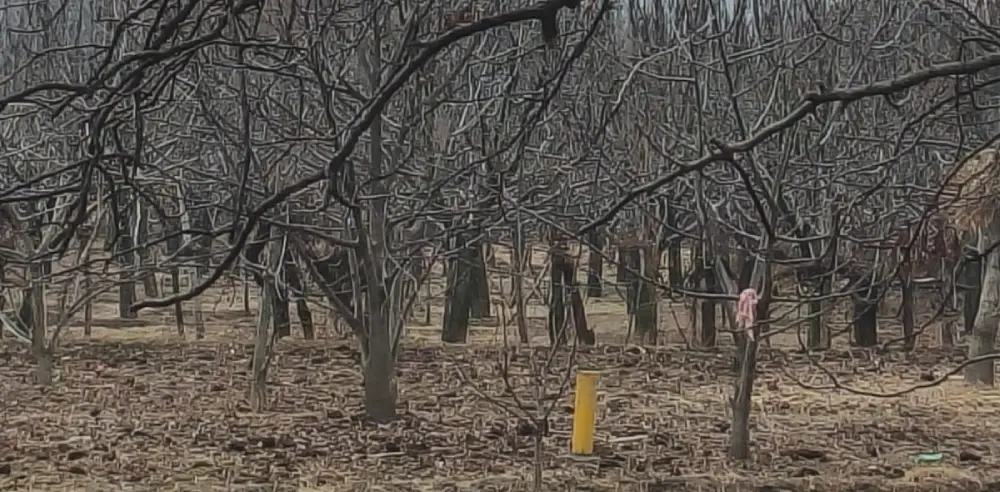
For months, the mood in these areas had been one of quiet anxiety. Yellow survey poles appeared in fields without warning. Teams marked alignments without consultation. Landowners were left to speculate about acquisition, compensation and displacement. In a landscape where most holdings are small and horticulture is the primary source of income, even a narrow strip of land loss can be devastating. A hundred feet on a blueprint translates, on the ground, into dozens of mature trees uprooted and years of labour erased.
Apple cultivation in South Kashmir is not simply an economic activity; it is the backbone of the regional economy. Orchards finance education, healthcare, marriages and everyday survival. Trees represent time, often a decade or more, before they reach peak productivity. No cheque can compensate for that lost timeline. To threaten orchards is to threaten intergenerational security.
Seen in this light, the pause is not anti-development. It is an intelligent development.
Large infrastructure must be guided by social and environmental prudence, not bureaucratic haste. Rail connectivity is undoubtedly vital for Kashmir’s integration and growth. But connectivity cannot come at the cost of dismantling the very livelihoods it claims to uplift. Development that impoverishes people defeats its own purpose.
More importantly, this intervention functions as a significant confidence-building measure (CBM) between the administration and the people. Kashmir’s recent history is marked by decisions taken without local consultation, often deepening alienation. By acknowledging farmers’ concerns and recalibrating the project, the government has sent a different signal: that voices from the ground matter.
Such gestures, though administrative on paper, carry political weight. When the state listens, tempers cool. When livelihoods are protected, suspicion gives way to cooperation. The immediate effect is visible: farmers back in their orchards, protests receding, conversations returning to harvests rather than loss. That calm is not accidental; it is the dividend of responsive governance.
The lesson is clear. Development must proceed through dialogue, transparency and consent. Detailed impact assessments, fair consultations and alternative alignments are not obstacles but prerequisites.
Saving trees may appear to be a small act on the scale of national infrastructure. In Kashmir, it is anything but. It is an affirmation that progress need not trample the people it seeks to serve, and that sometimes, the most meaningful advance begins with the wisdom to pause.