JAMMU: The government has disclosed that over Rs 260 crore has been spent on the conservation and restoration of Kashmir’s major water bodies, including Dal, Nigeen, and Wular lakes, over the past three years. The expenditure, aimed at tackling encroachment and ecological degradation, has been directed towards dredging, de-weeding, afforestation, and the construction of sewer networks and artificial wetlands to improve water quality and restore the ecological balance of these vital lakes.
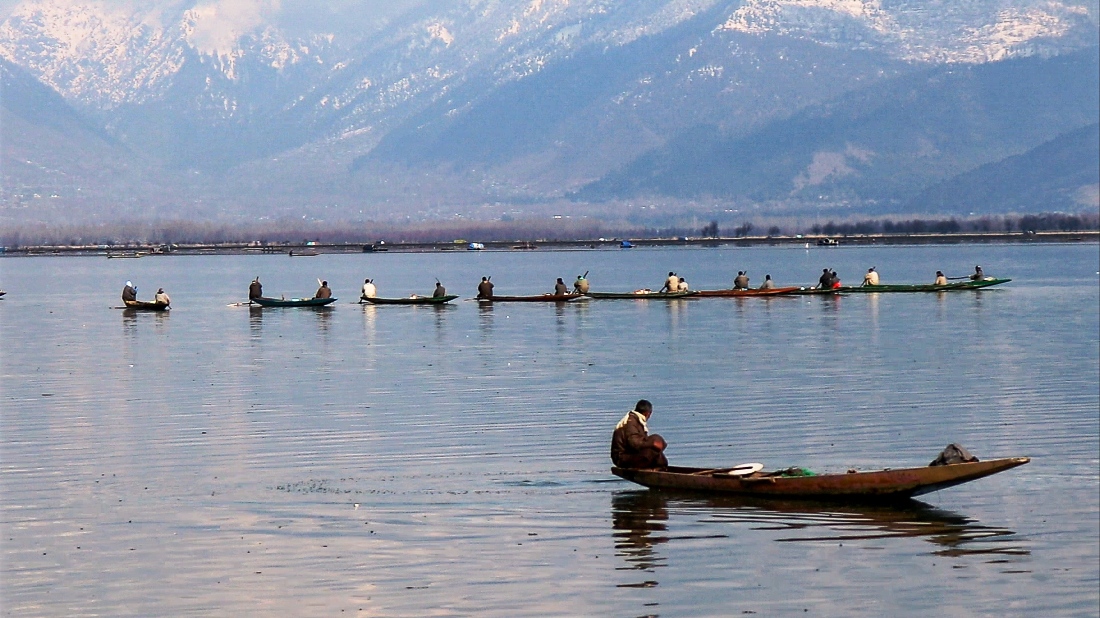
In response to a question raised in the assembly by legislator Mubarak Gul, the government confirmed that Dal-Nigeen and Wular lakes are among the most significant water bodies in Kashmir Valley and detailed the ongoing conservation efforts. These include the relocation of populations from Dal and Nigeen, solid waste collection, and the establishment of research and monitoring facilities for continuous water quality assessment. The Wular Conservation and Management Authority (WUCMA) has been implementing a Comprehensive Management Action Plan (CMAP) since 2012, which focuses on wetland demarcation, biodiversity conservation, and ecotourism development.
Despite these efforts, encroachment remains a pressing issue. The government denied large-scale encroachments in the past few decades but acknowledged that conservation efforts require ongoing vigilance. Over the past three years, Dal-Nigeen received Rs 149.63 crore in 2021-22, Rs 82.72 crore in 2022-23, and Rs 39.21 crore in 2023-24. Wular Lake was allocated Rs 54.02 crore, Rs 31.12 crore, and Rs 19.14 crore in the same period.
The government also highlighted the growing popularity of high-altitude lakes such as Tarsar and Marsar among international tourists. To promote sustainable tourism, the Directorate of Tourism has imposed restrictions on visitor numbers, banned plastic usage, and mandated the presence of registered tourist guides to ensure environmental protection in these fragile ecosystems
.
While authorities assert their commitment to protecting Kashmir’s lakes, conservationists and local communities continue to call for stricter enforcement of anti-encroachment laws and more transparent utilisation of conservation funds