SRINAGAR: Prime Minister Narendra Modi on Tuesday told the Rajya Sabha that the ongoing conflict in West Asia has triggered a severe global energy crisis, disrupting India’s trade routes and affecting supplies of essential commodities such as petrol, diesel, gas and fertilisers.
Addressing the House, the Prime Minister said the war, now in its third week, has begun to impact routine supply chains while raising concerns over the safety and livelihoods of nearly one crore Indians living and working in Gulf countries. He also drew attention to Indian crew members stranded aboard ships in the strategically significant Strait of Hormuz.
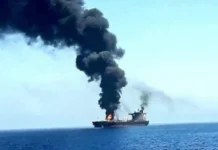
“In such circumstances, a united voice of peace and dialogue must go out to the world from this House,” Modi said, adding that attacks on commercial vessels and international waterways are unacceptable and that India has opposed all strikes on civilians and critical infrastructure.
The Prime Minister said India has intensified diplomatic outreach since the outbreak of hostilities, holding multiple rounds of conversations with leaders across the region and remaining in continuous contact with countries including Iran, Israel and the United States, along with Gulf nations. He said discussions have focused on de-escalation and reopening key maritime routes, particularly the Strait of Hormuz.

Providing details of evacuation efforts, Modi said more than 3,75,000 Indians have been brought back since the conflict began, including over 1,000 from Iran, among them more than 700 medical students. While noting assurances from host countries regarding the safety of Indian nationals, he expressed sorrow over loss of lives and injuries, stating that assistance and medical care are being extended to affected families.
Referring to disruptions in shipping, the Prime Minister said movement through the Strait of Hormuz has become extremely challenging, but added that alternative arrangements are being pursued through diplomatic channels. He said ships carrying crude oil and LPG from multiple countries have reached India in recent days and that such efforts would continue.
On energy security, Modi said India has diversified its import base from 27 to 41 countries over the past decade and developed strategic petroleum reserves exceeding 53 lakh metric tonnes, with work underway to expand capacity beyond 65 lakh metric tonnes. He said oil companies are maintaining adequate stocks of petrol and diesel to ensure an uninterrupted supply.
The Prime Minister also highlighted measures to reduce dependence on single fuel sources, including the expansion of Piped Natural Gas networks and efforts to increase domestic LPG production. He noted that over 90 per cent of India’s oil is transported on foreign-flagged vessels and said the government has launched a mission worth approximately Rs 70,000 crore to build domestic shipping capacity, alongside strengthening shipbuilding and maintenance infrastructure.
He said India has also made progress in defence manufacturing, pharmaceutical raw materials and critical minerals to enhance self-reliance in key sectors.
Assessing the broader economic impact, Modi said the conflict has affected economies worldwide and that recovery would take time. He said the government is closely monitoring developments through an inter-ministerial group and has constituted seven empowered groups, on the lines of those formed during the COVID-19 pandemic, to address challenges related to supply chains, fuel, fertilisers, gas and inflation.
Assuring farmers ahead of the sowing season, the Prime Minister said steps are being taken to ensure adequate fertiliser availability and that the government remains committed to shielding them from the impact of the crisis.
He called on state governments to ensure uninterrupted supply of essential commodities, effective implementation of welfare schemes and strict action against hoarding and black marketing, noting that such activities tend to rise during crises.
Emphasising cooperative federalism, Modi urged coordination between the Centre and states to maintain economic stability, recalling the joint response during the COVID-19 pandemic.
Describing the situation as a significant test, he said the country must respond with patience, restraint and unity, while remaining prepared for prolonged challenges.
“The government is vigilant and taking every decision with utmost seriousness. The welfare of the people remains paramount,” the Prime Minister said.