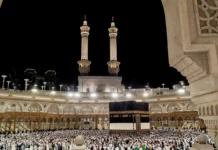
SRINAGAR: Saudi Arabia has officially rejected recent media reports suggesting it intends to lift its decades-long ban on alcohol as part of preparations for hosting the FIFA World Cup in 2034. The Kingdom reaffirmed its position that alcohol remains prohibited across the country and that there are no plans to ease the restrictions.
The clarification comes after international speculation that the Gulf nation might consider introducing limited alcohol sales to accommodate tourists and fans during the global football tournament. However, Saudi officials stressed that such claims do not reflect any official policy changes.
“There is no truth to the reports that Saudi Arabia will permit alcohol sales in any capacity,” authorities stated, according to Reuters. “The Kingdom remains firmly committed to upholding its cultural and religious values, including the complete prohibition of alcohol, as the birthplace of Islam.”
Officials reiterated that the country’s commitment to its social norms will remain intact even as it expands its tourism initiatives under Vision 2030—a national plan to diversify the economy and promote cultural and economic openness. They assured that the Kingdom aims to present an “authentic and culturally rich experience” to all visitors.
Saudi Arabia has recorded significant progress in tourism. According to government data cited by Reuters, the country welcomed 29.7 million international visitors in 2024, an 8 per cent increase from 2023. Additionally, tourism-related spending surged to 283.8 billion Saudi Riyals, with foreign tourists contributing 168.5 billion Riyals to the total.
While the Kingdom has introduced new measures governing alcohol for diplomatic use, including tighter regulations on how non-Muslim embassies can request and manage diplomatic shipments, officials confirmed that these adjustments do not signal a broader change in national alcohol policy.
Under the revised guidelines, diplomatic missions can no longer freely import alcohol under diplomatic cover, a move aimed at preventing misuse. Access to alcohol for diplomatic purposes may still be granted under strictly controlled conditions.
As for the FIFA World Cup 2034, Saudi Arabia has firmly stated that the global sporting event will respect the country’s established cultural and legal norms. Prince Khalid bin Bandar Al Saud, the Kingdom’s ambassador to the United Kingdom, told Reuters that “anyone visiting for the World Cup will be expected to abide by our laws and customs, including the alcohol ban.”
The ambassador underscored that respect for Saudi traditions will be a non-negotiable part of the fan experience during the tournament, and visitors should not expect exceptions to local regulations.
Despite rapid developments in hospitality, entertainment, and infrastructure ahead of the FIFA World Cup, the Kingdom continues to draw a clear line on issues tied to religion and societal values. With a strong emphasis on presenting a model of tourism aligned with Islamic principles, Saudi Arabia has said it will host international visitors “on its own terms.”
Saudi Arabia was awarded the 2034 FIFA World Cup in 2023, following its strategic push to emerge as a sporting and tourism hub. The government is currently overseeing multi-billion-dollar infrastructure projects and hospitality developments in anticipation of the tournament. Still, officials insist that these modernisation efforts will not come at the cost of cultural identity.
With the World Cup less than a decade away, Saudi officials have maintained that the nation’s global ambitions remain consistent with its core values. Any speculation to the contrary, they say, is unfounded.