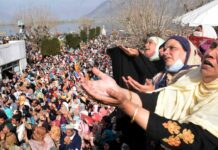
The rare 2026 convergence of Ramazan and Lent offers Christians and Muslims an opportunity to deepen mutual understanding through shared themes of fasting, repentance, humility, and charity.
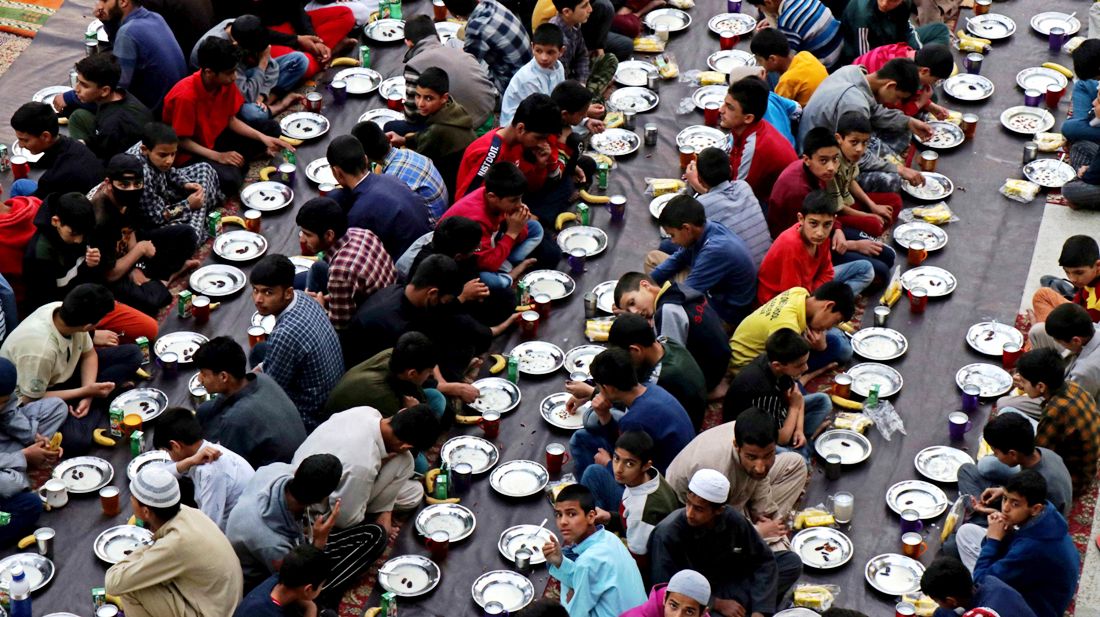
In 2026, two of the world’s largest faith communities began their most sacred seasons on the same day. On February 18, Muslims entered the month of Ramazan, while Christians marked Ash Wednesday, the beginning of Lent. The last such convergence occurred in 1993. This alignment is more than a calendrical coincidence; it is an invitation to reflection across religious boundaries.
Ramazan, the ninth month of the Islamic lunar calendar, is observed by Muslims worldwide as a period of fasting (sawm), prayer, and moral discipline. It commemorates the revelation of the Holy Qur’an to the Prophet of Islam and stands as one of the Five Pillars of Islam. Beyond abstaining from food and drink from dawn to sunset, Ramazan calls believers to restrain harmful speech, avoid wrongdoing, increase charity, and deepen spiritual consciousness.
Lent, observed by millions of Christians globally, is 40 days of prayer, fasting, repentance, and preparation for Easter. Beginning on Ash Wednesday, it recalls the 40 days Jesus Christ spent fasting in the wilderness. The imposition of ashes on the forehead, a practice formalised in 1091 at the Council of Benevento under Pope Urban II, symbolises repentance and mortality. The words, Remember that you are dust, and to dust you shall return, underscore humility before God.
Despite theological differences, the ethical parallels between Ramazan and Lent are striking. Both seasons disrupt comfort and routine. Both emphasise self-restraint, purification of intention, and acts of charity. Both invite believers to confront human frailty and seek divine mercy. The language differs; the moral architecture is familiar.
In an era marked by polarisation, suspicion, and superficial engagement between communities, this rare overlap provides a constructive moment. Imams and priests can use sermons and public addresses to highlight shared values: humility, compassion, generosity, and repentance. Such acknowledgement does not blur doctrinal distinctions; it fosters informed respect.
For Christians, Holy Week will culminate in Easter, commemorating the resurrection of Jesus. For Muslims, Ramazan will conclude with Eid al-Fitr, marking spiritual renewal after a month of discipline. Both journeys move from restraint to celebration, from self-examination to communal joy.
Interfaith understanding need not rest on political summits or abstract dialogue forums alone. It can begin in the pulpit, in the mosque, in the parish, in classrooms, and in homes, through simple recognition that the other community is also fasting, praying, repenting, and giving.
The convergence of Ramazan and Lent in 2026 will pass in a matter of weeks. The opportunity it presents, however, should not. If religious leaders consciously frame this moment as one of shared moral striving, it could temper hostility with empathy and replace ignorance with awareness. In divided times, simultaneous seasons of humility may offer a rare common ground.