SRINAGAR: Suspected cases of Lumpy Skin Disease (LSD) have emerged among cattle in Tulamulla area of central Kashmir’s Ganderbal district, with veterinary teams collecting samples from affected animals for testing.
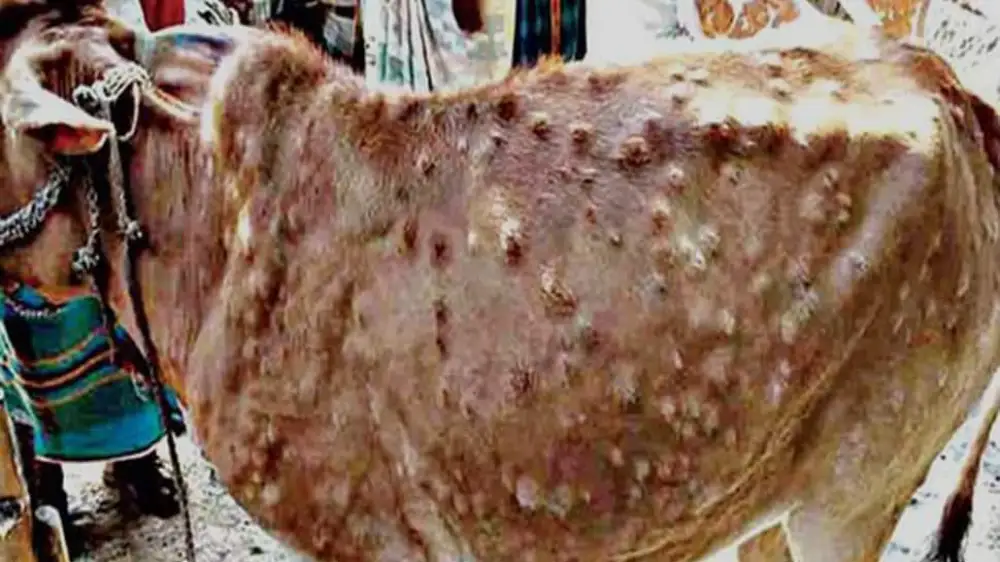
Local residents told Kashmir Life that around six cows had died in the area, with the deaths being attributed to the suspected disease.
A veterinary doctor said samples had been collected from dozens of animals and would be examined to determine whether they were infected with LSD.
The doctor said the disease can spread between animals and advised livestock owners to maintain hygiene and use mosquito repellents to help limit transmission.
Animals affected by LSD may develop high fever, reduced milk production and swelling of the legs, the doctor said. In severe cases, the disease can affect the respiratory system and may result in death.
The development comes after more than 350 cattle were affected by LSD earlier this month in several areas of Sherpathri in Ganderbal district.
The emergence of suspected cases has caused concern among livestock owners, particularly in areas that have experienced previous outbreaks. Some residents said their cattle had been vaccinated during an earlier outbreak and questioned the reported recurrence of the disease.
LSD is a viral disease that primarily affects cattle and buffaloes. It is characterised by fever and firm nodules or lumps on the skin, while affected animals may also experience reduced appetite, weakness, swelling of the limbs and other parts of the body, and lower milk production.
The disease is mainly transmitted by blood-feeding insects, including mosquitoes, flies and ticks, which can carry the virus between infected and healthy animals.
LSD can cause losses to livestock owners through illness, reduced milk production and, in severe cases, animal deaths. The disease is generally not considered to infect humans.