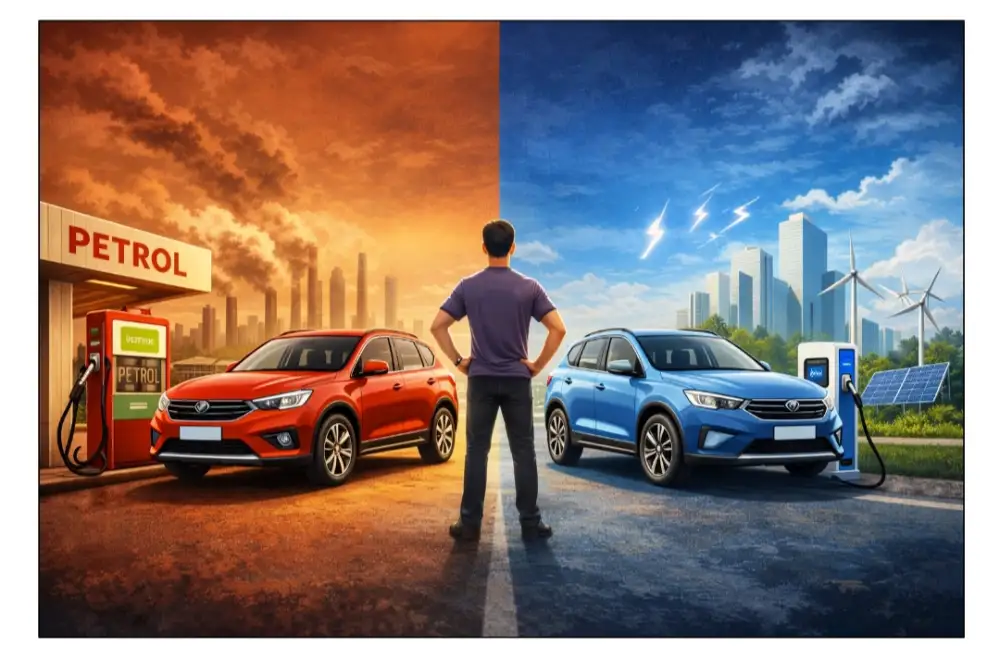
SRINAGAR: Buying a car has always involved balancing budget and practicality. But today, with the rise of electric vehicles (EVs), this balance has become more nuanced. Buyers are no longer just comparing prices—they are evaluating upfront costs vs long-term operating costs, especially when choosing between ICE SUVs like the Kia Seltos and EV SUVs like the Mahindra XEV 9e.
This shift reflects a more informed and long-term approach to car ownership.
Understanding Upfront Cost
The upfront cost is the most visible part of any car purchase.
ICE SUVs traditionally have:
● Lower initial purchase price
● Wider variant options across budgets
● Easier financing acceptance
Vehicles like the Kia Seltos Kia Seltos fit comfortably into this framework, offering multiple engine and trim options to suit different price points.
EV SUVs, on the other hand, generally cost more upfront. This is primarily due to:
● Expensive battery technology
● Advanced electronics and software
● Lower economies of scale (for now)
As a result, many buyers hesitate at the first step itself.
The Reality of Running Costs
While upfront costs are important, running costs tell a different story.
ICE vehicles involve:
● Fuel expenses (petrol/diesel)
● Regular servicing and maintenance
● Engine-related wear and tear
Over time, these costs can add up significantly.
EVs, however, offer a contrasting advantage:
● Electricity is cheaper than fuel per kilometre
● Fewer moving parts reduce maintenance needs
● No engine oil or complex transmission systems
This makes EVs more economical in the long run, especially for high-usage drivers.
The Long-Term Value Equation
When buyers look beyond the purchase price, the equation changes.
For example:
● An ICE SUV may cost less initially but incur higher monthly expenses
● An EV SUV may cost more upfront, but reduce daily operating costs
Over a period of 4–6 years, the total cost of ownership can start to favour EVs—depending on usage patterns.
This is why more buyers are beginning to think in terms of lifetime cost rather than just purchase price.
Usage Patterns Matter
The importance of running costs depends heavily on how the car is used.
For buyers who:
● Drive long distances daily
● Commute frequently in cities
EVs can deliver significant savings over time.
The Mahindra XEV 9e, for instance, offers a real-world range of over 500 km, making it practical for regular urban and intercity use with fewer charging cycles.
On the other hand, buyers with:
● Low annual mileage
● Occasional usage
may not fully benefit from EV cost advantages.
Fuel vs Charging Economics
Fuel prices are relatively volatile and tend to increase over time.
Electricity, while also subject to change, is generally:
● More stable
● More affordable per kilometre
Additionally, home charging can further reduce costs and improve convenience for EV owners.
However, public fast charging may involve higher costs, which can slightly offset these benefits depending on usage.
Maintenance and Ownership Simplicity
Maintenance is another key factor in long-term cost.
ICE vehicles require:
● Engine servicing
● Oil changes
● Transmission maintenance
EVs simplify this by eliminating many of these components.
The XEV 9e’s electric architecture, with fewer mechanical parts, reflects this shift towards lower maintenance complexity.
This not only reduces costs but also improves convenience for owners.
Hidden Costs and Considerations
Both ICE and EV vehicles have additional factors buyers must consider.
For ICE:
● Rising fuel costs
● Environmental regulations
● Potential future restrictions
For EV:
● Charging setup costs (home charger installation)
● Battery replacement concerns (long-term)
● Dependency on charging infrastructure
These factors influence the overall cost equation.
Resale Value and Market Perception
Resale value is another evolving factor.
ICE vehicles:
● Have established resale markets
● Predictable depreciation patterns
EVs:
● Are still developing resale trends
● May benefit from growing demand in the future
As EV adoption increases, their resale value is expected to stabilise.
Short-Term Comfort vs Long-Term Savings
At its core, this decision is about priorities.
● ICE SUVs offer a lower entry cost and immediate affordability
● EV SUVs offer lower running costs and long-term savings
Buyers must decide whether they value:
● Saving money upfront
or
● Saving money over time
Role of Digital Platforms in Decision-Making
With multiple variables to consider, online car-buying platforms like ACKO Drive help buyers compare total ownership costs, understand usage-based benefits, and evaluate real-world scenarios.
This allows users to make decisions that go beyond just the price tag.
Final Thoughts
The debate between upfront and running costs highlights a broader shift in car buying.
Cars are no longer judged only by what they cost today—but by what they will cost tomorrow.
Vehicles like the Kia Seltos continue to appeal with their affordability and familiarity. Meanwhile, EVs like they represent a more forward-looking approach, where efficiency and long-term value take centre stage.
For buyers, the right choice depends on how they balance present affordability with future savings—and how they define value in their ownership journey.