SRINAGAR: The ripple effects of the ongoing West Asia conflict have begun reaching Indian cities, with the Union government directing oil refineries to increase production of liquefied petroleum gas (LPG) and prioritise household supply amid growing concerns over fuel disruptions.

In an order issued by the Ministry of Petroleum and Natural Gas, refiners have been asked to boost LPG output and divert the additional production for domestic household consumption in view of “current geopolitical disruptions to fuel supply and constraints on LPG availability”.
The ministry also introduced a 25-day inter-booking period for domestic LPG cylinders in an effort to prevent hoarding and black-marketing as supply pressures mount.
Under the new directives, LPG imported into the country will primarily be diverted to essential non-domestic sectors such as hospitals and educational institutions, while supply to other commercial sectors will be subject to review by a committee comprising three executive directors from oil marketing companies.
The policy shift has already begun affecting the hospitality sector in several cities.
In Bengaluru, the Bangalore Hotels Association said hotel and restaurant operations could be severely disrupted from March 10 following a sudden halt in the supply of commercial LPG cylinders.
The association said oil companies had earlier assured an uninterrupted supply for about 70 days, but deliveries stopped abruptly, leaving many establishments without cooking fuel.
“Since the gas supply has stopped, the hotels will be closed from tomorrow,” the association said in a statement, warning that students, office-goers and medical professionals who depend on restaurants for daily meals would be affected.
Honorary president PC Rao told reporters that hotel owners had urged the government to restore at least partial supply. “Without gas it is not possible to prepare food. We have communicated the issue to Union ministers and MPs,” he said.
Similar concerns have surfaced in Pune, where restaurants and gas distributors say commercial LPG stocks are rapidly depleting.
The Pune Restaurants and Hoteliers Association said the city has more than 10,000 eateries and mess facilities, many of which could face temporary closures if supply does not improve within days.
Gas agencies reported that inventories have already been exhausted in some areas. One distributor said his stock of about 2,000 commercial cylinders was depleted within four days, with no fresh supply arriving.
Prices have also increased sharply, with the cost of a 19-kg commercial cylinder rising to about Rs 1,897 from Rs 1,754, while domestic cylinder prices have increased to around Rs 915.50.
The new booking restrictions have also triggered anxiety among households.
Gas distributors serving tens of thousands of customers reported a 30–40 per cent increase in booking requests within days of the new policy, as residents attempted to secure supplies in advance.
Officials have appealed to consumers not to panic. Local supply authorities said monitoring teams have been deployed to prevent black-marketing and ensure that household LPG distribution continues without disruption.
Energy officials linked the tightening supply primarily to geopolitical tensions in the Middle East, where the confrontation involving Iran, the Israel, and the United States has unsettled global energy markets.
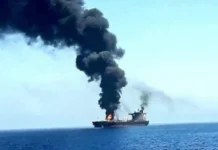
The situation has also drawn attention to vulnerabilities in global shipping routes such as the Strait of Hormuz, through which a significant share of the world’s oil and natural gas supplies pass.
Analysts say disruptions in this corridor could eventually affect not only fuel supplies but also fertiliser shipments from Gulf producers, potentially pushing up agricultural costs and food prices worldwide.
Despite the pressure on LPG supplies, authorities said petrol, diesel and compressed natural gas (CNG) supply chains in Indian cities are functioning normally.
Fuel dealers reported that tanker dispatches from oil company terminals are continuing on schedule and that retail fuel outlets currently hold adequate stocks.
However, global crude prices have already surged from about $65–68 per barrel to nearly $110–115, raising the possibility of future price adjustments if tensions persist.
For now, officials say the government’s priority remains ensuring uninterrupted LPG supply for households, even as the distant war begins to impose tangible costs on India’s energy and food systems.