SRINAGAR: India’s agricultural and food exports worth $11.8 billion, accounting for nearly 22 per cent of the country’s total agri-food exports in 2025, face disruptions due to the ongoing conflict in West Asia, the government informed the Rajya Sabha on Friday.
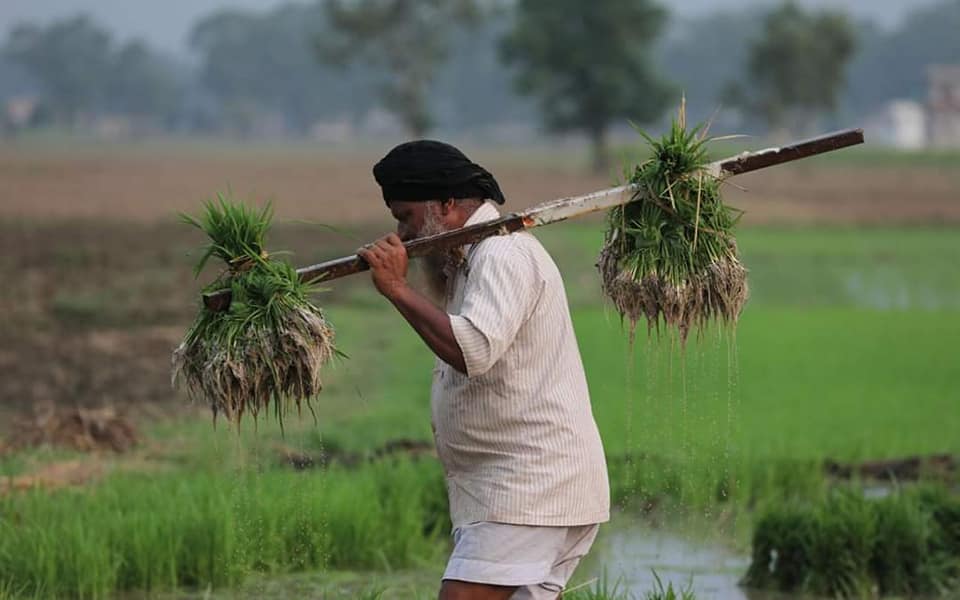
Key commodities affected include Basmati rice, buffalo meat, dairy products, fresh fruits and vegetables, spices, and pulses, which are predominantly exported to Gulf Cooperation Council countries such as the United Arab Emirates, Saudi Arabia, Oman, Kuwait, Qatar, and Bahrain, as well as to Iran, Iraq, and Yemen.
The Ministry of Commerce and Industry, led by Minister of State Jitin Prasada, said that exporters have reported rising freight costs, war-risk surcharges, container shortages, shipment delays, and congestion at ports due to geopolitical tensions. In response, the government has activated an Inter-Ministerial Group (IMG) on Supply Chain Resilience, which includes concerned ministries such as Ports, Shipping and Waterways; Petroleum and Natural Gas; External Affairs; Financial Services; DGFT; Customs; and the Reserve Bank of India. The IMG is tasked with real-time monitoring, daily situation reporting, and coordinated mitigation efforts.
Several targeted measures have been rolled out to support exporters, including the DGFT’s time-bound “Support for Indian Exporters, Resilience and Logistics Intervention for Export Facilitation” (RELIEF) scheme implemented through the Export Credit Guarantee Corporation of India. Export obligations under Advance Authorisations and EPCG Authorisations expiring between March and July 2026 have been extended to August 31, 2026, without additional fees.

Customs authorities have simplified procedures for cargo stranded at ports due to the closure of the Strait of Hormuz, allowing temporary storage, expedited berthing, shipping bill cancellations, and waiver of certain fees. Major ports have been instructed to prioritise perishable cargo, facilitate Back-to-Town movements of stranded shipments, and provide additional storage areas. The Directorate General of Shipping has maintained regular communication with Indian vessels and seafarers, monitoring operational challenges and issuing guidelines to prevent opportunistic charges by carriers.
The Ministry of External Affairs has engaged Indian missions in the region to explore alternative maritime routes and provide advisories to exporters, while the Ministry of Petroleum and Natural Gas is reviewing alternative supply routes for crude oil, LNG, and LPG shipments to ensure continuity of energy trade. These measures, the government stated, aim to safeguard farmers’ incomes, reduce logistics costs, and maintain the stability of India’s external trade amid ongoing geopolitical tensions in West Asia.