SRINAGAR: Twenty researchers from the University of Kashmir (KU) have been included in the 2026 Stanford University rankings, giving the institution the highest representation among universities in Jammu and Kashmir, according to the university.
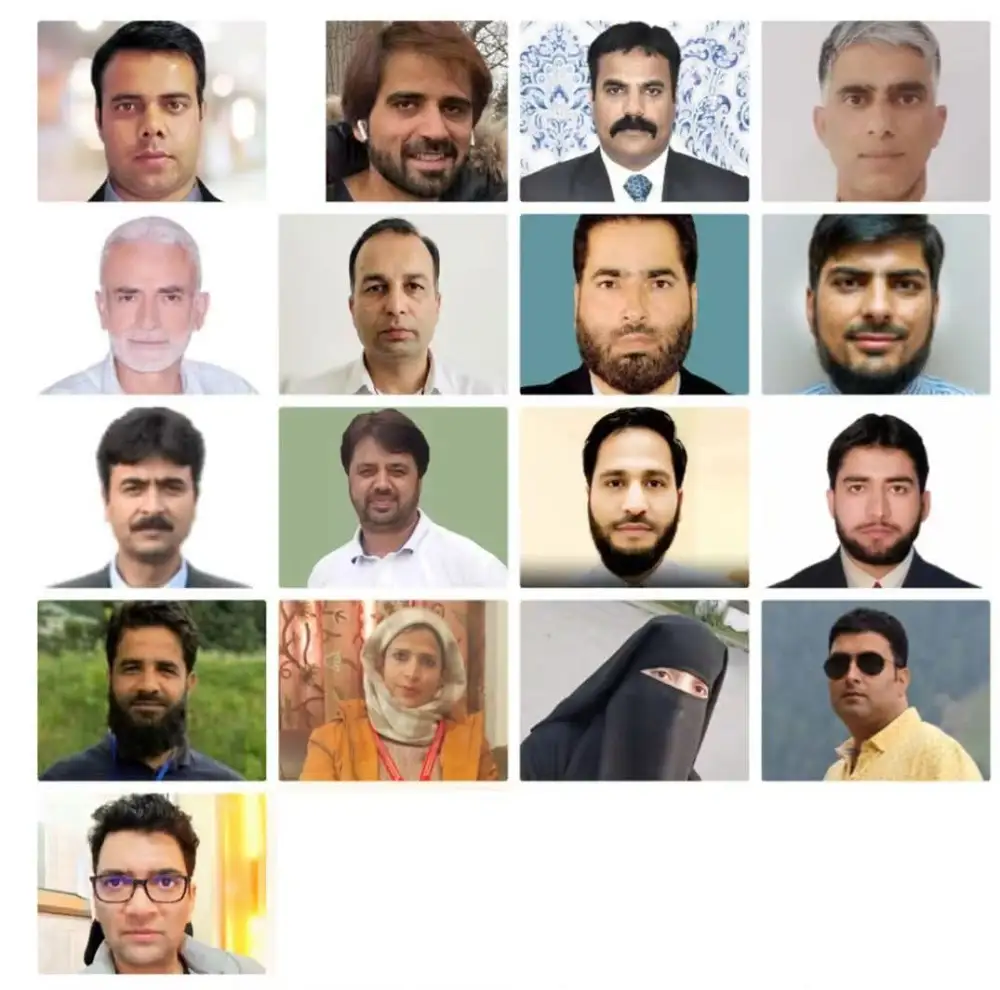
The list also includes women researchers, reflecting their participation in the university’s research activities. KU’s representation has increased from 14 researchers in both 2024 and 2025 to 20 in 2026, indicating a rise in the number of its academics recognised in the rankings.
The researchers named in the 2026 list are Dr Manzoor Ahmad Mir, Dr Adil Gani, Prof Imtiaz Ahmad, Prof Idrees Ahmad Wani, Prof Farooq Ahmad Masoodi, Dr Faheem Arjamend Sheikh, Dr Mudasir Ahmad, Dr Shabir Ahmad Parah, Dr Abdul Mueed Hafiz, Prof Ghulam Jeelani, Dr Basharat Ahmad Bhat, Prof Aijaz Ahmad, Dr Firdous Ahmad Shah, Dr Arshid Bashir, Dr Reyaz Hassan Mir, Dr Farooq Ahmad Khanday, Dr Akhtar Alam, Dr Aaliya Qureashi, Dr Shazia Shafi Sofi and Dr Nusrat Jan.
Congratulating the researchers, Vice-Chancellor Prof Nilofer Khan said their inclusion was a matter of pride for the university and recognised the faculty’s commitment to research with a meaningful impact.
Dean Academic Affairs Prof Shariefuddin Pirzada said the achievement demonstrated the quality of academic work at KU and could encourage students and early-career researchers to pursue research with international recognition.
Dean Research Prof Bashir Ganaie said the university’s presence in the rankings reflected sustained research activity across disciplines and highlighted the need to strengthen its research culture.
Registrar Prof Naseer Iqbal described the recognition as both an honour and a responsibility, saying the continued inclusion of KU researchers in global rankings reinforced the institution’s position as a centre of academic and research excellence in the region.
The university said the rise in representation over the past three years reflected the growing reach of its research across disciplines. The continued inclusion of its researchers in successive editions also pointed to the consistency of their scholarly contributions and their visibility in the international research community.