by Anzar Ul Aijaz
Understanding the distinction between drug addiction and trafficking promotes justice, compassionate treatment, public health, effective prevention, rehabilitation, and human dignity.
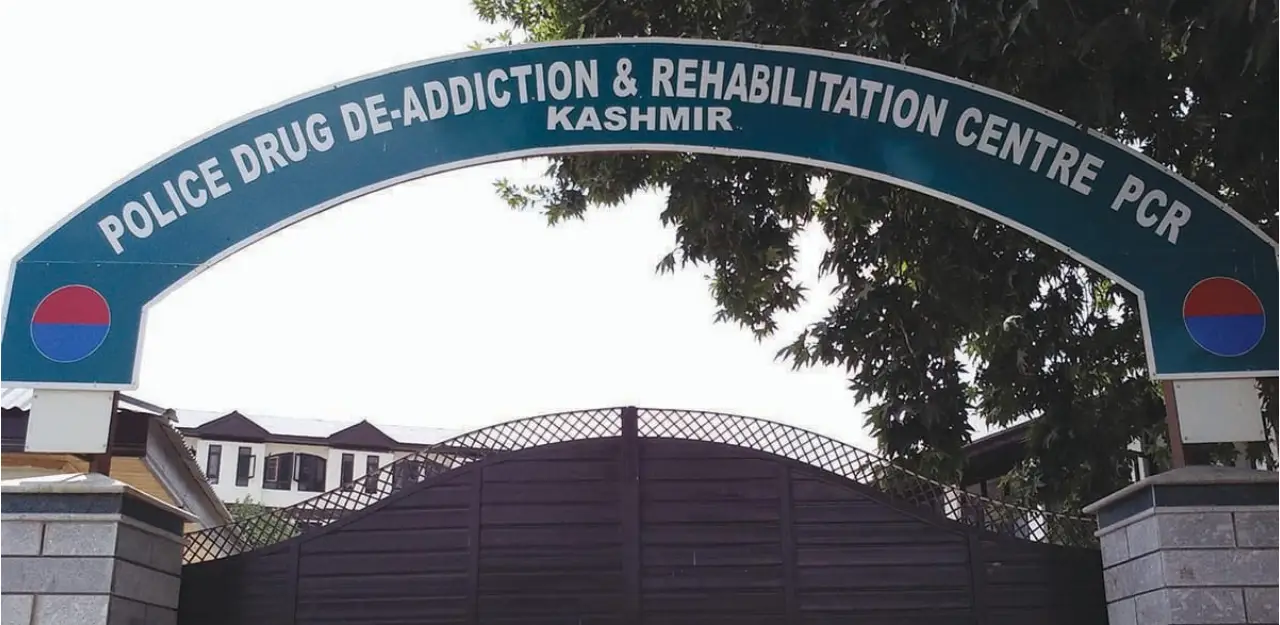
One of the biggest misconceptions in society today is the tendency to confuse drug addiction with drug trafficking. While both are related to drugs (substances), they are fundamentally different and must be understood as such.
Drug trafficking is a crime. It involves the production, transportation, sale, distribution, or illegal supply of drugs for profit. Those involved in trafficking contribute to the spread of substance use and are dealt with through legal and law enforcement mechanisms.
Drug addiction, or Substance Use Disorder (SUD), is different. It is a recognised health condition that affects a person’s brain, behaviour, emotions, relationships, and overall functioning. It is not simply a matter of weak willpower or moral failure. Like other health conditions, it requires proper treatment, care, and rehabilitation.
Unfortunately, many people still respond to addiction by saying, “Hand them over to the police.” Such reactions stem from a misunderstanding of the problem. When a person struggling with addiction is treated as a criminal rather than a patient, fear and stigma increase. Individuals become reluctant to seek help, families hesitate to approach treatment centres, and recovery becomes more difficult.
Substance Use Disorder is a biopsychosocial condition. Its causes and consequences extend beyond the individual and involve biological, psychological, and social factors. Therefore, its treatment also requires a comprehensive approach. Doctors and psychiatrists play a crucial role in medical management. Counsellors, psychologists, psychiatric social workers, and rehabilitation professionals help address psychological and behavioural aspects. Families, communities, educational institutions, religious bodies, and society at large also have an important role in supporting recovery and reintegration.
One of the reasons this distinction is often misunderstood is the persistence of myths and stereotypes surrounding substance use. Many people continue to believe that addiction is simply the result of poor choices, weak character, or lack of self-control. However, decades of scientific research have demonstrated that repeated substance use can alter brain circuits involved in reward, motivation, memory, and self-regulation. These changes make it increasingly difficult for individuals to stop using substances despite experiencing harmful consequences. Recognising addiction as a health condition does not absolve individuals of personal responsibility, but it acknowledges that recovery requires much more than willpower alone. It requires timely access to treatment, sustained support, and an environment that encourages healing rather than punishment.

The language we use also shapes public attitudes. Terms such as “drug addict,” “junkie,” or “criminal” reduce a person to a single aspect of their life and reinforce stigma. Person-first language, such as “a person with a substance use disorder” or “an individual in recovery,” recognises the individual’s dignity while acknowledging the health condition they are experiencing. Health professionals and international organisations increasingly recommend such language because it promotes empathy and encourages people to seek help without fear of judgement.
Families are often the silent sufferers in the journey of addiction. Parents, spouses, siblings, and children may experience emotional distress, financial hardship, social isolation, and feelings of guilt or helplessness. Many families delay seeking professional assistance because they fear social stigma or worry that their loved one will be labelled a criminal. Strengthening family awareness about the nature of addiction, available treatment options, and the importance of early intervention can significantly improve recovery outcomes. Recovery is rarely an individual process; it is strengthened when families and communities become active partners in support.
At the societal level, preventing substance use requires more than controlling the supply of drugs. Prevention must also address the factors that increase vulnerability, including adverse childhood experiences, untreated mental health conditions, unemployment, social exclusion, academic stress, and lack of healthy recreational opportunities. Schools, colleges, workplaces, community organisations, and religious institutions all play an important role in promoting mental well-being, life skills, resilience, and awareness of substance use. Public education campaigns that provide accurate, evidence-based information can help replace misconceptions with understanding and encourage individuals to seek assistance at an early stage.

Ultimately, a compassionate and evidence-informed response benefits not only individuals living with substance use disorders but society as a whole. When people receive timely treatment and rehabilitation, families are strengthened, communities become healthier, and the social and economic burden associated with untreated addiction is reduced. Viewing addiction through the lens of public health, while maintaining firm action against drug trafficking, creates a balanced approach that protects society without compromising human dignity.
This does not mean that laws have no role. Law enforcement agencies play a vital part in controlling drug trafficking, disrupting supply networks, and preventing the illegal distribution of substances. However, their role should not be confused with the treatment of individuals suffering from addiction.
As a society, we must move away from labelling people with substance use disorders as “criminals”. Instead, we should recognise them as individuals facing a serious health challenge that requires treatment, compassion, and support. A person involved in drug trafficking should face the law. A person suffering from addiction should receive care.
Understanding this distinction is not merely a matter of terminology. It is a matter of justice, public health, and human dignity.
(The author is a research Scholar at the Department of Social Work, University of Kashmir. Ideas are personal.)